Why 'Brass Monkey' Is More Than a Party Rap
The meaning of Brass Monkey Beastie Boys starts with the obvious: this is a song about drinking, partying, and showing off. But that is only the first layer. Beneath the rowdy hook, the track also works as a snapshot of early Beastie Boys style—funny, reckless, cartoonish, and built to turn a cheap drink into a full-on event.
"Brass Monkey" - Beastie Boys
Brass Monkey junkie
That funky Monkey
Loading lyrics...
Unable to load lyrics
We're unable to display the lyrics at this time. Please try again later.
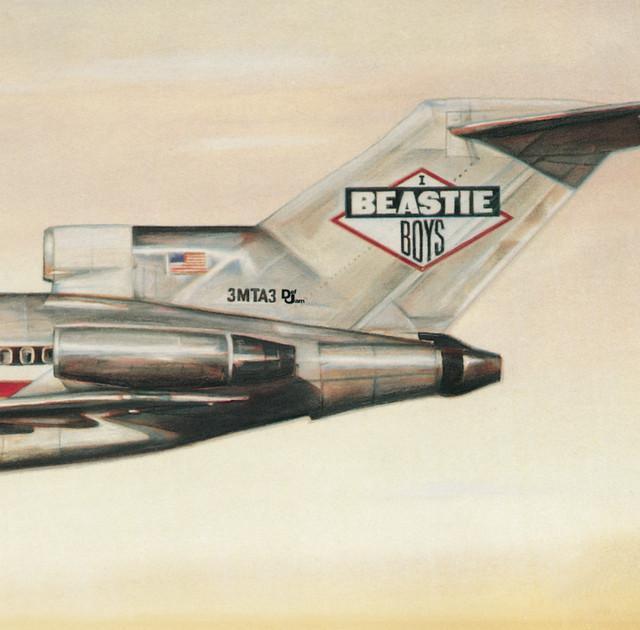
Released as a single from Licensed to Ill on January 5, 1987, the song came from the group’s breakout era and was produced by Rick Rubin. It also pulls from Wild Sugar’s “Bring It Here” and leans on the punch of the Roland TR-808, two key facts in understanding why it hits so hard. The song reached No. 48 on the Billboard Hot 100 and later earned a Gold certification in the U.S. These facts help explain its staying power in pop and rap history.
The Drink Is the Point—And the Joke
At the most basic level, “Brass Monkey” is centered on an alcoholic drink. Research around the song consistently points to the canned Heublein cocktail as the main reference, even though some listeners connect the phrase to a malt-liquor-and-orange-juice mix. Songfacts also notes that Mike D said they first imagined “the Brass Monkey” as a dance, not just a beverage.
That split matters. The song turns a drink into a dance, a chant, and a group identity. When they repeat that funky Monkey
, they are not developing a deep story. They are branding a mood. The title becomes a slogan for getting loud, getting loose, and making ordinary partying sound larger than life.
Watch the official Brass Monkey
music video
A Party Scene Told in Exaggeration
The verses move like quick sketches from one messy night. They boast about drinking anywhere, meeting people, taking over a room, and acting like local legends. The song’s humor comes from how oversized everything feels. Even a simple cup becomes part of a performance.
One short passage shows that playful fake-instruction style:
left leg down
right leg up
tilt your head back
That moment sounds like dance directions, but it really dramatizes drinking as if it were a ritual. Instead of romance or reflection, the song offers movement, noise, and instant gratification.
What They Are Really Performing
Interpretation: They are playing characters as much as they are describing real life. Throughout Licensed to Ill, Beastie Boys often exaggerated frat-boy swagger until it sounded ridiculous, catchy, or both. “Brass Monkey” fits that mode exactly.
Lines about expensive drinks sitting next to cheap booze add to the joke. So do references to their crew, their neighborhood, and their own status. In this song, partying is not private. It is competitive and public. Everyone is watching, and they want to be the wildest people in the room.
The Hook Works Because It Is So Simple
The chorus is one of the biggest reasons the record lasted. Brass Monkey junkie
is a blunt, funny phrase, and the repetition makes it feel like a playground chant crossed with a rap hook. It does not explain much. It does not need to.
Interpretation: The hook matters because it reduces the whole song to a single obsession. That obsession is not just alcohol. It is excess itself—more volume, more attitude, more repetition, more spectacle. The chant is catchy because it sounds slightly dumb on purpose, which is part of the Beastie Boys’ early appeal.
Sound First, Meaning Second
Musically, the song sells its meaning through force. Sources note that it samples Wild Sugar’s “Bring It Here” and features the Roland TR-808. That gives the track a dry, hard knock under the vocals. The beat does not drift. It stomps.
That production choice is important. A softer groove might have made the song feel smooth or cool. Instead, “Brass Monkey” feels blunt and crowded, like a party where people are shouting over each other. Cash Box called it a scratchy rap send up
, which neatly captures its rough-edged energy.
The group’s delivery adds another layer. They trade lines with a half-chanted, half-yelled style that makes everything feel communal. Nobody sounds introspective. They sound like they are trying to out-hype one another.
Context From the Beastie Boys’ Breakout Era
“Brass Monkey” arrived during the same run that made Licensed to Ill a commercial landmark. The album became the first rap LP to hit No. 1 in the United States and later sold more than 10 million copies. In that context, this track helped define the Beasties’ early image: mischievous, juvenile, and impossible to ignore.
It also came from the loose early sampling era before stricter legal standards reshaped hip-hop. That matters because the song reflects a moment when rap production still felt like a wild frontier. “Brass Monkey” sounds less polished than later Beastie Boys work, but that roughness is part of its identity.
Is There a Darker Reading?
Interpretation: Some listeners hear the song as simple celebration. Others hear a satire of party culture, where drinking, bragging, and macho posturing become almost absurd. Both readings make sense.
What seems clearest is that the song is not trying to offer moral depth. It is trying to create a scene. Whether that scene sounds fun, immature, or knowingly over-the-top depends on the listener.
Why the Song Still Sticks
The meaning of Brass Monkey Beastie Boys lasts because the song understands something basic about pop: if a phrase is rhythmic, weird, and easy to yell with friends, it can live for decades. The drink is the subject, but the real engine is attitude.
They turn low-stakes partying into myth. They make a small brand name sound iconic. And with a loud beat, a simple hook, and nonstop bravado, they capture an era of hip-hop when personality itself could be the whole show.
Disclaimer: Song meaning is always part fact, part interpretation. The analysis above separates documented context from informed reading of the lyrics and performance.
Sources
- https://en.wikipedia.org/wiki/Brass_Monkey_(song)
- https://www.songfacts.com/facts/beastie-boys/brass-monkey
- https://www.billboard.com/artist/beastie-boys/chart-history/hot-100
- https://www.riaa.com/gold-platinum/?tab_active=default-award&ar=Beastie+Boys&ti=Brass+Monkey&format=Single&type=#search_section







