Why 'Sabotage' Still Feels Like a Revolt
The meaning of Sabotage Beastie Boys starts with pure pressure. The song sounds like someone at the end of their rope, convinced that another person is interfering, manipulating, and getting in the way. Even before they know the backstory, listeners can feel the anger in the music.
"Sabotage" - Beastie Boys
I'mma set it straight, this Watergate
I can't stand rockin' when I'm in here
Loading lyrics...
Unable to load lyrics
We're unable to display the lyrics at this time. Please try again later.
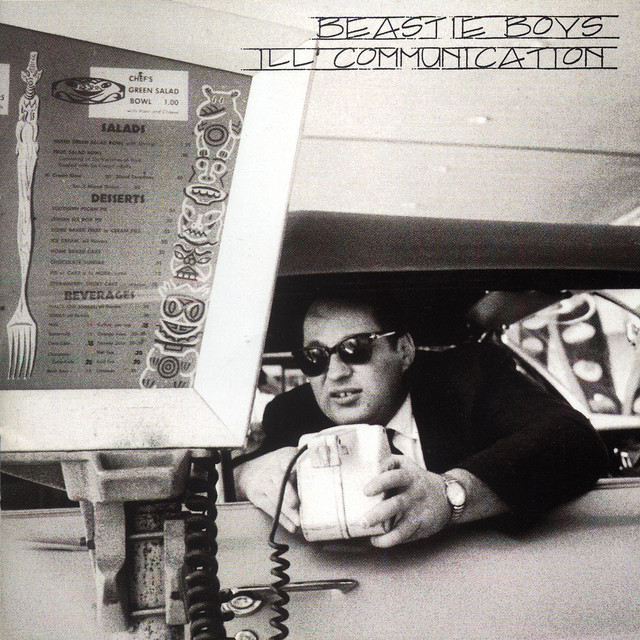
Released in 1994 as the lead single from Ill Communication, the track became one of Beastie Boys’ signature songs. It was written by Adam Horovitz, Adam Yauch, and Michael Diamond, and produced by the group with Mario Caldato Jr. According to widely cited band history, the song grew from a jam built around MCA’s bass riff and later became an exaggerated complaint about Caldato, not a literal feud. That mix of joke and rage is key to its power.
The Core Idea Behind the Chaos
On the page, the lyrics present a speaker who feels cornered. They accuse someone of plotting against them, hiding motives, and pulling strings from the background. Phrases like I know you planned it
and it's sabotage
make the grievance sound direct, but the details stay slippery.
That is why the song works so well. It is specific enough to feel personal, yet broad enough for listeners to pour their own frustrations into it. A bad boss, a rigged system, a fake friend, even inner self-doubt can fit the frame.
Interpretation: The song is less about one clear event than about the feeling of being messed with. It turns suspicion into a full-volume anthem.
Watch the official Sabotage
music video
The Joke Inside the Anger
The backstory adds an important twist. Beastie Boys later explained that the track was partly a funny, overblown diss aimed at producer Mario Caldato Jr. In the Beastie Boys Story account summarized by major references, Ad-Rock described it as a fictitious rant about someone always holding them back. Their autobiography makes a similar point: they thought it would be funny to imagine Mario as the person ruining their “great works of art.”
That context does not weaken the song. It actually strengthens it. Because the complaint is exaggerated on purpose, the performance can go bigger, louder, and more cartoonish than a literal argument might allow.
So yes, many people hear an anti-authority anthem. That reading is valid. But factually, the band also framed it as a playful performance of outrage.
How the Lyrics Build Paranoia
The song’s writing style is fast, clipped, and confrontational. The speaker is not calmly explaining a problem. They are spiraling through accusations, half-proofs, and emotional outbursts. When they reference this Watergate
, they connect a personal conflict to the language of conspiracy and political cover-up.
Elsewhere, phrases like crystal ball
and it's a mirage
suggest confusion and false appearances. The enemy may be real, but certainty is not. That is a big part of the tension: they feel sure something is wrong, yet the evidence keeps shifting.
A brief map of the song’s movement
- It opens with accusation and distrust.
- It escalates into shutdown and resistance.
- The hook names the threat in one blunt word.
- The ending leaves the conflict unresolved, which keeps the song urgent.
That unresolved ending matters. There is no peace talk, no lesson, no solution. The emotion stays raw.
Why the Sound Sells the Meaning
Musically, “Sabotage” is a collision of rap, punk, and rock. Sources on the recording describe live guitar, bass, drums, scratches, organ, and timbales, with Ad-Rock handling the lead vocal. The famous bass line reportedly came first, and the rest of the band piled on until the track felt explosive.
This arrangement is central to the meaning of Sabotage Beastie Boys. The distorted bass sounds like an alarm. The drums push like a chase. The guitar slashes rather than grooves. Even the vocal is not smooth rapping; it is closer to a barked accusation.
Producer Mario Caldato Jr. said the finished track had much more energy and that people “freak out” when they heard it. That reaction makes sense. The production does not just support the lyrics; it acts out their panic.
A Chorus Built for Collective Release
The refrain works because it is simple, repeatable, and emotionally huge. When the band repeats listen all y'all
, they turn a private complaint into a public callout. The song stops being one person’s problem and becomes everybody’s shared shout.
Interpretation: This is why the track has lasted so long in sports arenas, trailers, and action scenes. The chorus feels like instant release. It gives people one word for pressure, betrayal, or chaos.
The Video Made the Song Even Bigger
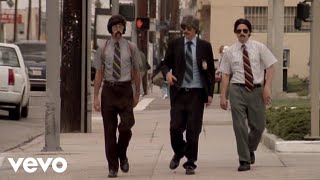
Spike Jonze’s video helped lock in the song’s identity. Styled as the opening credits to a fake 1970s cop show, it turns the band into mustached TV detectives and pushes the track’s exaggeration into comedy. According to reference accounts, the clip was heavily played on MTV and later won major video honors after missing out at the 1994 VMAs.
The video matters because it mirrors the song’s tone: dramatic, paranoid, and knowingly ridiculous. It tells viewers not to take the rage as simple realism. This is performance, parody, and attitude all at once.
Why “Sabotage” Endures
“Sabotage” lasts because it balances two truths. Factually, it came from a band joke and a jam session. Emotionally, it captures a very real feeling of being blocked and pushed around.
That duality is what keeps it fresh. They made a song that can be funny in origin, fierce in delivery, and universal in effect.
Final takeaway
The meaning of Sabotage Beastie Boys is not just “someone ruined my plans.” It is the sound of frustration becoming theater, then becoming an anthem. Beastie Boys turned a playful inside joke into one of the sharpest expressions of modern irritation in 1990s music.
Disclaimer: This interpretation combines documented artist context with critical reading of the lyrics and sound. As with any song, listeners may hear meanings beyond the band’s stated intent.







