Why Beck's “Devils Haircut” Feels So Unclean
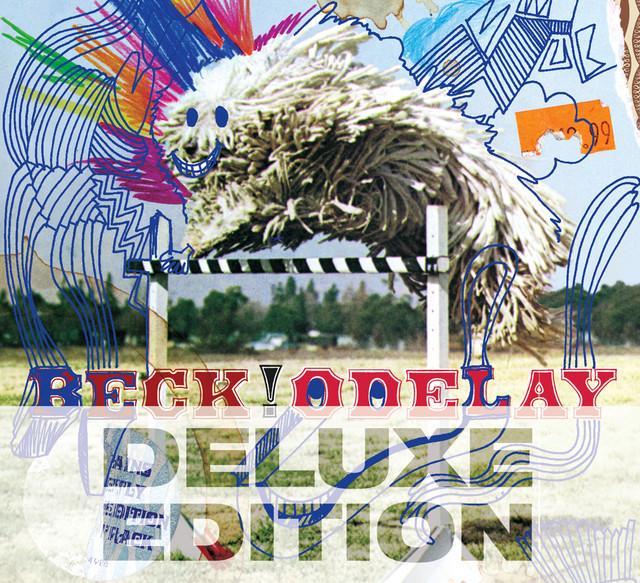
For listeners searching for the meaning of Devils Haircut Beck, the first thing to know is that the song is less a tidy story than a dirty mental landscape. Released in 1996 as a single from Odelay, it became one of that album’s signature tracks and showed how Beck could turn collage-like nonsense into something emotionally sharp. Factually, the song was issued by DGC as the second single from Odelay, written by Beck with John King and Mike Simpson, and produced by Beck and the Dust Brothers.[1][2]
"Devils Haircut" - Beck
And everywhere I look, there's a dead end waiting
Temperature's dropping at the rotten oasis
Loading lyrics...
Unable to load lyrics
We're unable to display the lyrics at this time. Please try again later.
The Song’s Real Target Is Corruption of the Mind
The clearest reading is that the song describes inner contamination. The verses pile up grotesque scenes, broken social images, and ugly jokes until the chorus lands on the central idea: devil's haircut in my mind
. That phrase sounds absurd, but it works because it turns evil into something intimate, petty, and invasive.
Interpretation: rather than a literal devil, the song points to compromise, vanity, and spiritual grime. Beck himself gave support to that reading in comments summarized by Songfacts, calling it a simple metaphor connected to vanity and also talking about the “devil” as compromise.[2] That matters because the song never argues like a protest anthem. Instead, it makes listeners sit inside the feeling.
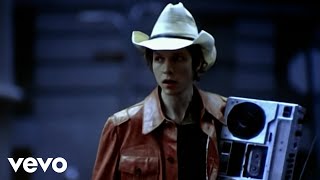
Watch the official Devils Haircut
music video
A World of Dead Ends and Cheap Desire
Early lines set up mental collapse and social decay. The opening image, my mind is fading
, makes the speaker sound overwhelmed before the song even introduces its stranger details. Then Beck fills the frame with rot, violence, and ugly commerce.
The images are not random. They keep returning to a few ideas:
- blocked paths and exhaustion
- bodies turned ugly or damaged
- desire turned mechanical
- poverty meeting exploitation
When the lyric mentions dead end waiting
, it suggests a world where every option leads nowhere. When it jumps to poor man's pockets
, the song shifts from private anxiety to class pressure. This is one reason the track feels bigger than a personal breakdown. It hints that the sickness in the mind comes from the sickness in the culture around it.
Why the Chorus Is So Effective
The hook repeats so many times that it starts to feel like a trapped thought. In plain language, the song keeps saying that something ugly has gotten into the speaker’s head and will not leave. That repetition matters more than plot.
Got a devil's haircut in my mindGot a devil's haircut in my mind
Even used briefly, those lines show how the chorus acts like a mental loop. Interpretation: the “haircut” image may suggest style, image, vanity, or forced self-presentation. A haircut is visible, social, and tied to identity. So the song may be asking what happens when a poisoned culture starts shaping how a person thinks and presents themselves.
Beck’s Surreal Writing Has a Purpose
One reason people remember the song is its bizarre inventory of images: mouthwash, gasoline, briefcases, buses, guns, disease, jukeboxes. Critics noticed that mix at the time. Melody Maker described the track as abstract but somehow coherent, while later coverage from Albumism praised its breaks-driven energy and pop punch.[1]
That helps explain the lyric style. Beck does not build meaning through one clean narrative. They build it through collision. Everyday objects sit next to social ugliness, and that clash makes ordinary American life seem diseased.
Interpretation: the song can be heard as a Beat-influenced stream of images where consumer culture and physical decay blend together. In that reading, lines like briefcase blues
connect work, travel, and emotional burnout. The song may even reflect life after touring, since reports around the recording note Beck made parts of Odelay quickly after the difficult Lollapalooza run.[2]
The Sound Makes the Message Hit Harder
The meaning of Devils Haircut Beck is not only in the words. It is also in the sound. The track is built from drum breaks, a thick repeating riff, and a rough, compressed groove that feels both catchy and unstable. According to available recording notes, the chorus drums draw from Bernard Purdie’s “Soul Drums,” while the verse beat comes from Them’s version of “Out of Sight,” and the famous guitar figure was replayed from Them’s I Can Only Give You Everything rather than directly lifted as a sample.[1]
That construction matters. The song sounds stitched together from cultural scraps, which fits a lyric about a scrambled mind and a corrupted public world. Songfacts also notes Mike Simpson describing a primitive setup with a broken 20-watt amp and distortion to get the guitar tone.[2] That damaged sound gives the song its grime.
More Than Nonsense: Society, Vanity, and Performance
A second strong reading is social satire. The song’s ugly jokes about sex, status, and image make the world feel cheapened. Desire becomes transactional. Beauty becomes diseased. People become props in a broken roadside America.
This lines up with Beck’s own reported idea of imagining a mythic outlaw figure dropped into the 1990s to react to materialism, greed, and impossible standards.[2] In that sense, “Devils Haircut” is not just about feeling bad. It is about seeing a culture that has made badness look normal.
Why It Still Connects
The song still works because it captures a very modern kind of stress: too many signals, too much ugliness, and a fear that the mess outside has moved inside. It charted modestly in the U.S. but became a defining Odelay track, and its Mark Romanek video won major MTV awards, helping lock in its strange, downtown-cowboy identity.[1]
In the end, the meaning of Devils Haircut Beck is best understood as a portrait of psychic and social contamination. It turns surreal fragments into one clear feeling: the mind has been stained by vanity, violence, and cultural junk.
Disclaimer: This interpretation mixes documented context with critical reading. Because Beck’s lyrics are intentionally open-ended, different listeners may hear different meanings in the song.








