Why Beck’s “Loser” Still Hits a Nerve
Beck’s breakthrough single sounds goofy on first listen, but the meaning of Loser Beck goes deeper than a joke chorus. The song turns confusion, boredom, and social failure into a style of its own. Instead of offering a clean storyline, it throws strange images, cheap products, and broken scenes into one pile.
"Loser" - Beck
Butane in my veins so I'm out to cut the junkie
With the plastic eyeballs, spray paint the vegetables
Loading lyrics...
Unable to load lyrics
We're unable to display the lyrics at this time. Please try again later.
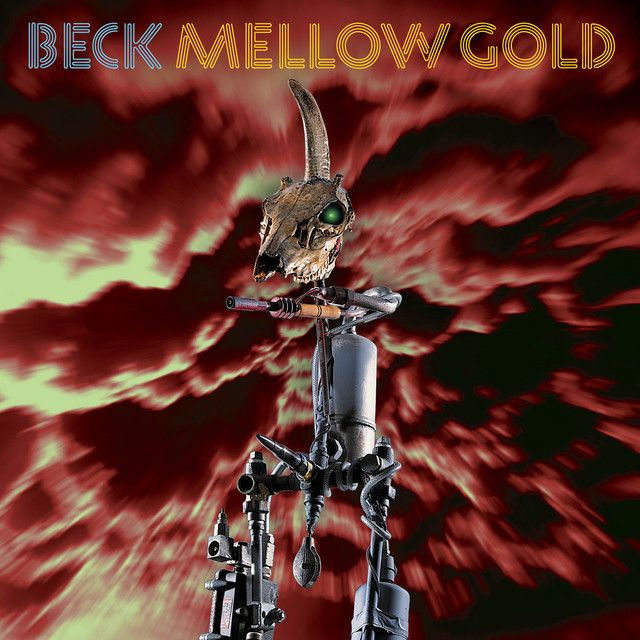
That messy pile is the point. Released in the early 1990s and later included on Mellow Gold, the song helped introduce Beck as a genre-blending artist who mixed folk, hip-hop, and lo-fi production into something that felt both funny and bleak. It was written by Beck Hansen and Carl Stephenson, with Stephenson also producing the original recording.
A Self-Insult That Works Like Armor
At the center of the song is the famous hook, Soy un perdedor
. Beck follows it with I’m a loser baby
, but the phrase does not land like a plain confession. It sounds exaggerated, tossed off, almost theatrical.
Interpretation: many listeners hear the chorus as a defense mechanism. By calling themself a loser first, the speaker removes some of the sting. The song takes shame and turns it into performance.
That is why the hook has lasted. It is sad, but it is also funny. It invites people to sing along to failure instead of hiding it.

Watch the official Loser
music video
The Verses Build a World of Cultural Trash
The opening lines throw the listener into a world of odd, low-rent objects and damaged people. Phrases like plastic eyeballs
and beefcake pantyhose
create a cheap, almost cartoonish America.
Rather than describing one event, the song stacks images that feel discarded, artificial, and unstable. There are trailers, stains, junk food references, parking violations, and bodies that seem half-real and half-media creation. The result is a portrait of modern life as clutter.
Interpretation: this clutter reflects a mind overloaded by pop culture and economic stress. The speaker sounds trapped inside a landscape where everything is for sale, broken, or absurd.
Chaos Is the Message, Not a Writing Mistake
A common question about the meaning of Loser Beck is whether the lyrics are just random. Factually, Beck has often been associated with collage-like writing and surreal combinations of language in his early work. In this song, the randomness feels deliberate because the images keep circling the same ideas: failure, waste, fake glamour, and social drift.
In other words, the song communicates through mood more than plot. The lines do not connect like a diary entry. They connect like channel surfing.
Three big ideas inside the mess
- Alienation: the speaker never sounds settled or secure.
- Irony: pain is covered with jokes and absurdity.
- Cultural overload: media, junk, and identity all blur together.
That is why a line such as Don’t believe everything that you read
matters. In the middle of nonsense, Beck slips in a clear warning about confusion and false messages.
How the Sound Makes the Meaning Clearer
The production is crucial to why the song works. “Loser” is built on a loose beat, a dusty slide-guitar feel, and a half-rapped vocal that sounds casual rather than polished. That relaxed, slightly scruffy style makes the speaker seem detached from the world they describe.
The music never pushes toward heroic release. It slumps, grooves, and shrugs. That matters because the song is not about overcoming failure in a clean movie ending. It is about living inside failure and making a strange anthem out of it.
Interpretation: the lo-fi sound gives the song its emotional truth. A cleaner, bigger production might have turned it into parody. The rough edges make the weariness believable.
The Hook Changes Meaning by the End
Late in the song, Beck slips in a surprising contrast:
I’m a driver, I’m a winner
things are gonna change
This brief turn matters because it interrupts the loser identity with a flash of confidence. But even here, the song sounds unstable. Is the speaker serious, hopeful, delusional, or joking again?
Interpretation: that ambiguity is one of the song’s smartest moves. It suggests that identity is not fixed. A person can feel beaten down one second and invincible the next. “Loser” captures that swing without resolving it.
Why the Song Became More Than a Novelty
It would have been easy for “Loser” to fade as a one-line alt-rock joke. Instead, it became a defining song of its era because it matched a wider mood. In the 1990s, many listeners connected with art that distrusted polish, mocked coolness, and mixed sincerity with sarcasm.
Beck gave that mood a hook people could chant. But underneath the humor was something real: anxiety about class, taste, status, and whether any identity in modern culture is fully authentic.
That is also why the chorus still lands today. Even when listeners laugh, they hear a person trying to survive embarrassment by turning it into style.
The Best Way to Read “Loser”
The simplest reading is still the strongest one: the song is about feeling out of place in a cheap, chaotic world and using irony to stay afloat. Its strange images are not obstacles to meaning. They are the meaning.
For listeners wondering about the meaning of Loser Beck, the song works less like a confession and more like a collage of defeat, comedy, and resistance. It says that modern life can feel ridiculous, and sometimes the only honest response is to laugh, shrug, and sing along.
Disclaimer: This interpretation separates documented facts from critical reading. Like many Beck songs, “Loser” is intentionally open-ended, so reasonable listeners may hear different meanings in its lyrics and tone.








