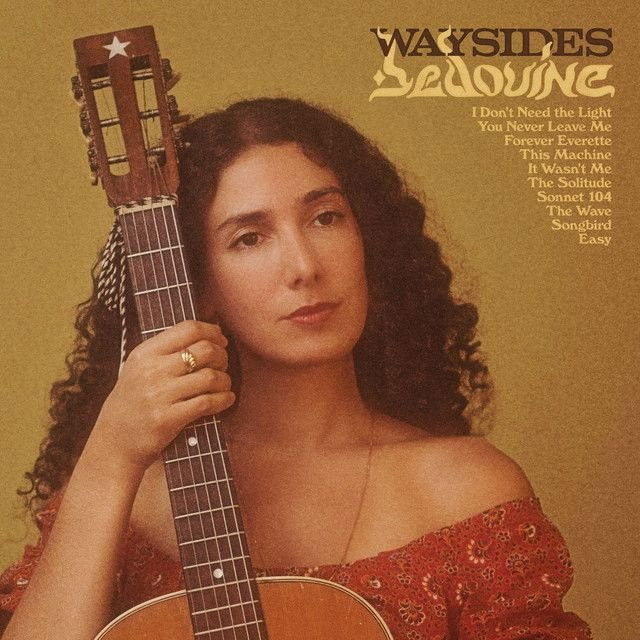
Why Bedouine’s “It Wasn’t Me” Hurts So Quietly
The meaning of It Wasn't Me Bedouine starts with a painful mismatch: one person believes a night was intimate and life-changing, while the other does not feel the same. Bedouine, the project of songwriter Azniv Korkejian, explained in Stereogum that the song is about spending an evening with someone, thinking it was deeply romantic, and then realizing they were alone in that feeling.
"It Wasn't Me" - Bedouine
Like some cold scene he stood there in the rain
And when I'm thrown off board he carries three soft words
Loading lyrics...
Unable to load lyrics
We're unable to display the lyrics at this time. Please try again later.
That artist statement matters because it gives the song its emotional center. This is not really a song about deceit in a literal sense. It is about self-protection, confusion, and the small lies people tell themselves when the truth feels too sharp.
A Love Song About Misreading the Moment
At its core, the song captures the shock of discovering that two people experienced the same night very differently. The narrator looks back and tries to explain away what happened. When the chorus says It wasn’t me
, the idea is not simple innocence. It sounds more like emotional distancing.
They push the feeling onto the setting instead: the fountains
, the light
, and the moon. In plain terms, the narrator seems to wonder if romance came from the atmosphere rather than from the other person. That is what makes the song sad. The memory still feels real, but its meaning has collapsed.
Interpretation: the title phrase works like a defense mechanism. Instead of admitting, “I read this wrong,” the narrator blames mood, scenery, and desire itself.
Watch the official It Wasn't Me
music video
The Verses Turn Denial Into Motion
The song’s first verse opens with emotional distance. The man is described as pulling away from pain, almost frozen in place. That image sets up a relationship where one person is guarded and the other is still searching for warmth.
Then the lyric shifts into a memory of comfort, suggesting that even a few tender words meant a lot. This helps explain why the narrator became attached to the moment. A small gesture can feel huge when someone wants it to mean more.
Later, the song becomes restless. The phrase all the red lights
suggests urgency, bad choices, and refusing to stop. Instead of sitting with the truth, the narrator rushes past warning signs. That image is one of the clearest clues in the song: denial is not stillness here. It is speed.
A Short Map of the Story
- They remember a night that felt romantic.
- They sense the other person was emotionally closed off.
- They try to blame the setting for their feelings.
- They race past the evidence instead of accepting it.
- They land in a bleak kind of freedom: nothing to prove, nothing to lose.
Why the Chorus Feels So Devastating
The chorus is simple, but it keeps widening the gap between feeling and fact. First comes the denial, then the excuses, then the repeated image of light in someone’s eyes. That detail matters because eyes often symbolize connection, mutual recognition, and hope. Here, the brightness may have been misread.
It was the light
The moon didn’t help when it shone
Brightly in your eyes
In context, that short passage shows how the narrator rewrites memory. They are not saying the feeling never happened. They are saying the setting made it seem mutual.
Interpretation: the chorus turns romance into misperception. Moonlight, water, and glowing eyes become forces that blur judgment.
Rust, Drink, and the Cost of Avoidance
The second verse deepens the meaning of It Wasn't Me Bedouine by adding two more images: worn-out language and alcohol. The phrase rusted words
suggests a relationship where communication has decayed. The speakers may not trust language anymore, or they may feel their words are too damaged to have value.
Then comes drinking until dawn. The song does not glamorize that behavior. Instead, it presents alcohol as something that makes self-deception easier to maintain. If the truth is that affection was one-sided, intoxication offers a temporary way around it.
This fits Bedouine’s larger writing style. In a long Paste profile, Korkejian talks about packing words with heavy meaning. That approach shows here. The lyrics are compact, but each image carries emotional weight.
How Bedouine’s Sound Supports the Meaning
Bedouine’s music often leans on soft folk textures, careful phrasing, and a calm surface that hides deeper feeling. Even without dramatic language, the song can feel bruised. That contrast is important.
A loud, explosive arrangement would change the message. Instead, the gentle delivery makes the denial sound intimate and believable. The listener hears someone trying to stay composed while their memory falls apart.
This also fits the song’s origin story. Korkejian said it came from her early habit of bedroom demoing, where songs became elaborate letters to the people they were about. That background makes “It Wasn’t Me” feel private, almost like a confession that took years to share.
Bedouine’s Bigger Themes in the Background
While this song is specifically about romantic bewilderment, it also connects to themes seen across Bedouine’s catalog: distance, nostalgia, and uncertainty about where emotion belongs. Her work often returns to memory and dislocation, so this song’s sadness is not just heartbreak. It is also about feeling briefly at home in a moment that turns out not to be real.
That is why the ending lands so hard. Saying there is nothing to prove and nothing to lose sounds freeing on paper. In the song, it feels emptier than free.
The Lasting Meaning of “It Wasn’t Me”
The meaning of It Wasn't Me Bedouine is the emotional aftermath of realizing a shared moment was not shared in the same way. It captures the stage between heartbreak and acceptance, when a person still wants to blame the weather, the light, or the timing instead of naming the truth.
Interpretation: Bedouine turns that uncomfortable state into something haunting and human. The song is less about being wrong than about how long it can take to admit they were alone in what they felt.
Disclaimer: This interpretation draws on the lyrics, Bedouine’s public comments, and broader artist context, but song meaning can remain personal and open to different readings.








