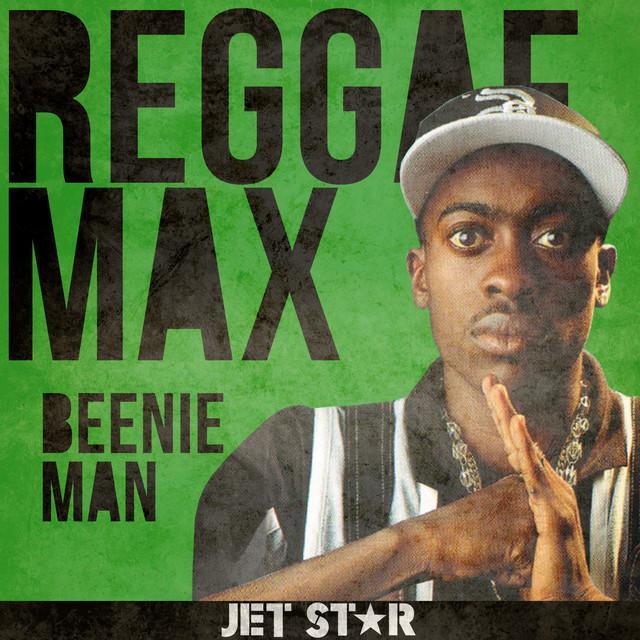
Old Dog by Beenie Man
The meaning of Old Dog Beenie Man comes down to performance, swagger, and the way dancehall often turns sexual bragging into a public persona. Rather than telling a deep love story, the song builds a character: a man who sees himself as experienced, restless, and proudly untamed.
"Old Dog" - Beenie Man
Old dawg, old dawggy, dawggy dog
Woah deh deh, woah..
Loading lyrics...
Unable to load lyrics
We're unable to display the lyrics at this time. Please try again later.
That makes "Old Dog" less about romance than reputation. The hook and verses work together to sell an image of a veteran flirt who treats desire like sport. For some listeners, that makes the song funny and energetic. For others, it makes the song uncomfortable. Both reactions are part of how it lands.
The Core Idea Behind the Brag
At its center, the track is about a narrator who boasts about chasing women and refusing restraint. The chorus gives that image its main label with Old dawg like me
. In plain terms, they are presenting themselves as too seasoned and too wild to change.
The line about being wild already
pushes that point further. This is not a song where the speaker sounds guilty or conflicted. They sound proud of their reputation, and that confidence is the main emotional engine of the track.
Interpretation: The song uses the "old dog" image to suggest habit that has hardened into identity. The speaker is not just acting reckless; they are advertising recklessness as a kind of masculine credibility.

Watch the official Old Dog
music video
How the Verses Build the Persona
Each verse adds another layer to the same boast. The first verse focuses on pursuit. The speaker sees attraction, moves quickly, and frames success as getting what they want. Even when the lyrics briefly note boundaries, the larger tone still treats conquest as the goal.
That matters because the song does not really pause for emotional complexity. It keeps moving from one target to the next, which fits a dancehall style built on wit, speed, and exaggerated self-display.
In the second verse, the narrator broadens the fantasy by naming admired women and imagining them inside his world. The phrase man nuh fi watch nuh face
suggests shamelessness: they should not hesitate, worry, or hold back. The point is not intimacy. The point is audacity.
The third verse takes the boast even further into taboo shock value. That escalation is typical of songs that compete for attention through daring punchlines. Interpretation: Here, Beenie Man's persona is trying to prove that no social line can tame him, which turns the song into a contest of provocation as much as desire.
Why the Chorus Matters So Much
The chorus is the key to the meaning of Old Dog Beenie Man because it turns scattered boasts into a thesis. When the song says have dem inna two's an three
, it exaggerates abundance and excess. It is less a factual claim than a statement of image: this character wants the crowd to believe he always has options.
The hook also sounds communal, not private. Even when the verses are specific, the chorus feels like a slogan the audience can remember. That is important in dancehall, where a strong repeated phrase can define the whole track.
So the chorus does two jobs:
- It brands the narrator as experienced and uncontrollable.
- It makes sexual excess sound like public legend.
Dancehall Context Shapes the Meaning
Beenie Man became one of the most visible figures in Jamaican dancehall, a genre known for rhythmic talk-singing, bravado, clash energy, and vivid persona-making. Dave Kelly, credited here as writer, was also a major architect of 1990s dancehall sound through his work as a hitmaker and producer, as documented by outlets like The FADER and reference sources such as Discogs.
That context helps explain the song's style. "Old Dog" is not built like a confessional ballad. It belongs to a performance tradition where exaggeration is part of the point. The speaker is selling charisma, nerve, and comic shock.
This does not erase the lyrical problems some listeners may hear. It simply explains why the song leans so hard into oversized masculinity. In dancehall, persona can be the message.
How the Sound Carries the Message
The production supports that message with bounce and forward motion. Reggae and dancehall rhythms often rely on sharp drum patterns, syncopated accents, and space for the vocalist to dominate the groove. On a song like this, that creates a stage for swagger.
The beat does not sound reflective. It sounds mobile, cocky, and built for reaction. Beenie Man's delivery adds to that effect: clipped phrases, playful momentum, and a voice that pushes every line like a challenge.
Interpretation: The music makes the narrator's confidence feel larger than life. Even listeners who dislike the viewpoint can hear how the rhythm turns boast into spectacle.
A Song About Persona More Than Truth
One useful way to read the meaning of Old Dog Beenie Man is to see it as character acting. The speaker may not be offering a sincere moral statement so much as performing a notorious role. In that sense, the track is about how masculinity is staged in public: loud, competitive, sexual, and always on display.
Another reading is less forgiving. Because the lyrics repeatedly reduce women to trophies, some listeners will hear the song as a direct example of misogynistic bragging rather than satire or theater. That reading is also supported by the text.
Both views can coexist. The song works as energetic dancehall theater, but it also shows the limits and pressures of that persona.
What "Old Dog" Leaves Behind
In the end, "Old Dog" is about appetite turned into identity. Its narrator wants to seem impossible to contain, and the song's hook, pacing, and humor all serve that image.
For readers searching for the meaning of Old Dog Beenie Man, the clearest answer is this: it is a swagger track about sexual reputation, performed through an exaggerated dancehall persona that is playful on the surface and provocative underneath.
Disclaimer: This interpretation is based on the lyrics, performance style, and genre context, and other listeners may reasonably hear the song differently.








