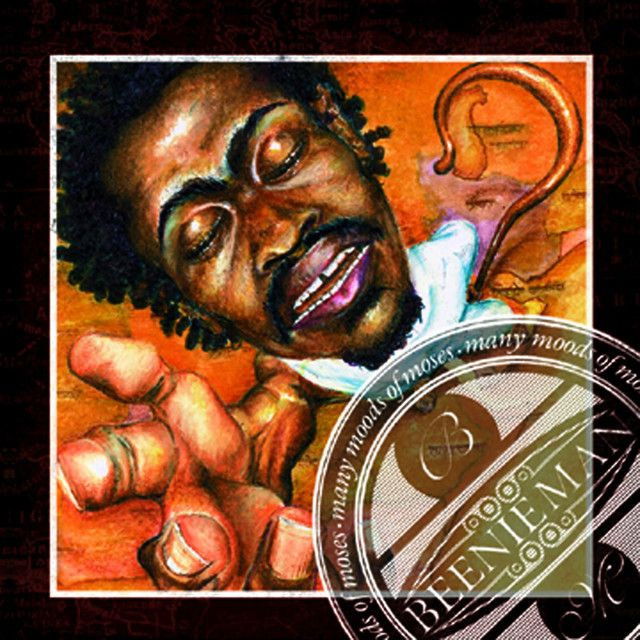
Who Am I by Beenie Man
The meaning of Who Am I Beenie Man starts with image. This is a song about swagger, desire, and the way a performer can turn self-promotion into a full identity. Beenie Man does not present a shy or reflective narrator here. They deliver a character who wants attention, expects admiration, and measures power through charm, sex appeal, and status symbols.
"Who Am I" - Beenie Man
Cool nuh, higher
Haha-haha-haha
Loading lyrics...
Unable to load lyrics
We're unable to display the lyrics at this time. Please try again later.
That surface is obvious, but the song is more interesting than a simple boast. Underneath the loud confidence, there are small flashes of insecurity, possessiveness, and competition. That tension is what gives the track its staying power.
A Dancehall Persona Built on Repetition
The hook does most of the work. When Beenie Man repeats girls dem sugar
, they are not just flirting. They are building a brand. The phrase turns the narrator into a product everyone wants, which fits dancehall's long tradition of larger-than-life self-naming and verbal dominance.
The same goes for Sim Simma
and the request for the keys to the car. These lines sound playful, but they also frame the speaker as someone in motion, someone with style, and someone others notice right away. In this song, transportation is not just literal. It signals freedom, access, and male status.
Watch the official Who Am I
music video
What the Song Is Really About
On the most direct level, the song is about sexual bravado. The verses are full of exaggerated comparisons and comic wordplay that present intimacy as physical skill, stamina, and spectacle. Beenie Man pushes that image to the edge, making the performance feel almost competitive.
Interpretation: The song is also about public masculinity. The narrator seems less interested in private love than in proving something to an audience. Even when the lyrics talk about one woman, the tone stays performative, like they are still speaking to a crowd.
That matters because dancehall often rewards personality as much as storytelling. The message is not only “I want this person.” It is “look who I am when I enter the room.”
Where Confidence Slips a Little
Midway through the song, the tone shifts. The narrator suggests they can give a woman anything she wants, then reacts to the idea that she may have left. Those lines move the song away from pure conquest and into fear of replacement.
That is where the meaning of Who Am I Beenie Man gets deeper. A person who sounds untouchable suddenly reveals that approval still matters. They want to be adored, but they also want reassurance. When the song mentions a main squeeze
and later calls someone a guiding star
, the boasting briefly opens into need.
Interpretation: This does not turn the track into a love ballad. Instead, it shows how ego and vulnerability can sit side by side. The same person who brags in public may still worry in private.
The Women in the Song
The song presents women mostly through the narrator's perspective, which is part of both its energy and its limitation. They appear as admirers, lovers, or rivals for attention, rather than as full characters with their own voice.
That said, the lyrics do suggest one woman matters more than the rest. The narrator claims loyalty, then admits chaos follows when she leaves. In other words, they act like a king of the dancefloor, but the emotional center may still be one relationship.
For modern listeners in the United States, that mix can feel contradictory. The song is catchy and funny, but it also reflects the gender politics of late-1990s dancehall, where sexual dominance and male reputation were often front and center.
How the Sound Carries the Meaning
The production helps explain why the song hit so hard. Beenie Man recorded during a period when dancehall was becoming more global, and their crossover visibility grew in the late 1990s and early 2000s, as documented by sources like Encyclopaedia Britannica and The Recording Academy. The track's bouncing rhythm, clipped phrasing, and chant-like hook make the boasting feel communal rather than purely personal.
Jeremy Harding is credited as a writer here, and he is closely associated with major dancehall production from that era, including the widely influential Playground rhythm, noted by references such as Discogs and AllMusic. That matters because the beat gives Beenie Man space to attack the groove with short bursts, jokes, and repeated slogans.
Instead of long melodic lines, they use timing as a weapon. The voice jumps, barks, and snaps into the rhythm. That delivery turns lines like Who got di keys
into call-and-response moments. The song feels built for movement, which reinforces its themes of seduction, status, and spectacle.
Why the Hook Endures
A big reason the song lasts is simplicity. The chorus is easy to remember, and the persona is clear within seconds. Even listeners who do not catch every Jamaican patois detail can understand the emotional message: this person sees themselves as magnetic and wants everyone else to agree.
There is also humor in the exaggeration. The song knows swagger can be theatrical. That self-aware playfulness keeps it from sounding flat.
Final Take on the Song's Meaning
The meaning of Who Am I Beenie Man is not hidden. It is a dancehall performance of ego, sexual confidence, and social power. But the song also hints that all this noise may cover fear of losing attention or losing one important person.
That balance between bragging and need is why the track still stands out. It is loud, catchy, and funny on the surface, yet it reveals how much identity can depend on being desired.
Disclaimer: This interpretation is based on the lyrics, performance style, and historical context. Song meaning can vary from listener to listener.