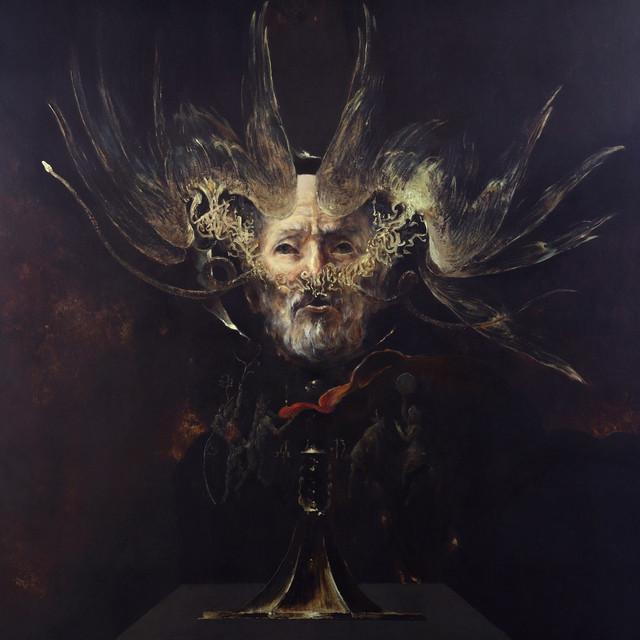
What 'O Father O Satan O Sun!' Really Invokes
The meaning of O Father O Satan O Sun! Behemoth starts with a paradox: the song sounds like a prayer, but it is aimed at a force that many traditions fear. That tension is the point. Behemoth turn the track into a ritual of self-remaking, where darkness is not just evil but a path to power, freedom, and identity.
"O Father O Satan O Sun!" - Behemoth
Shine through me
Come forth in war
Loading lyrics...
Unable to load lyrics
We're unable to display the lyrics at this time. Please try again later.
Written by Adam Darski, also known as Nergal, the song closes Behemoth's 2014 album The Satanist, a record widely discussed as one of the band's defining works. Factually, Darski has spoken in interviews about the album as a deeply personal statement shaped by illness, survival, and spiritual confrontation. Those broad claims have been covered by major outlets including Loudwire and The Guardian. In that context, the song feels less like shock for its own sake and more like a final declaration.
A Hymn of Reversal
At the center of the song is a complete flipping of sacred language. It uses the shape of devotion, but redirects it toward rebellion and illumination. When the speaker asks shine through me
, they are not asking for comfort. They are asking to be filled, changed, and even consumed by a force outside normal moral limits.
Interpretation: this makes the song a black-mass mirror of a religious hymn. Instead of seeking purity through obedience, the speaker seeks wholeness through defiance. The repeated call to come forth in war
and come forth in peace
suggests this force rules all states, not just chaos. It is total, not partial.
That is why the title phrase matters so much. Father, Satan, and sun are fused into one image. Father suggests origin and authority. Satan suggests opposition and refusal. Sun suggests light, life, and revelation. Put together, they create a godlike symbol of liberated will.
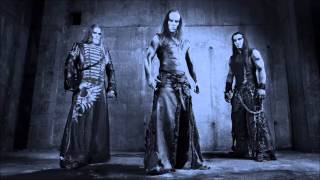
Watch the official O Father O Satan O Sun!
music video
The Speaker Wants Power, but Also Release
The lyrics move like an invocation, but they also reveal inner conflict. One of the most revealing moments is the line about being complete and undone at the same time. The song presents transformation as both empowering and painful.
Like a storm that brings no calm
I'm most complete yet so undone
Paraphrased, the speaker is saying that becoming their truest self does not bring peace. It brings intensity. The self is fulfilled, but also broken open. That emotional split gives the song more depth than simple provocation.
Interpretation: they are not only summoning a force; they are surrendering to a difficult rebirth. The request to liberate me
points toward freedom from guilt, shame, and imposed identity. In this reading, the song becomes a statement of radical self-ownership.
Esoteric Names, Ritual Language
A big part of the meaning of O Father O Satan O Sun! Behemoth lies in its references. Terms like Akephalos, Bornless One, and Hadith connect the song to occult and ceremonial traditions rather than everyday Satanic imagery. Scholars and fans have long noted similarities between parts of the lyric and texts associated with the Bornless Ritual and Aleister Crowley's adaptations of it. Those connections are part of the song's texture, even if listeners do not catch every source directly.
That matters because the song is not just telling a story. It is performing one. The commands, invocations, and repeated names make it sound like a rite designed to transform the speaker's state of being.
Interpretation: by borrowing ritual language, Behemoth turn the song into theater with spiritual stakes. The speaker does not merely admire power. They want access to it.
Why the Chorus Feels So Huge
When the song arrives at oh father, oh satan, oh sun
, it lands with the force of a creed. The line is simple, memorable, and built for repetition. That simplicity contrasts with the denser occult references in the verses.
This is important from a songwriting view. The chorus acts like a doorway for listeners who may not know the esoteric details. Even without background knowledge, they can feel the emotional center: devotion, hunger, and exaltation mixed together.
The phrase morning star
adds another layer. In Christian tradition, it can be linked to Lucifer before the fall, but it also simply evokes brightness and dawn. The song uses that dual meaning well. Light here is not innocence. It is dangerous awakening.
How the Sound Carries the Meaning
Behemoth are a metal band, and the arrangement does a lot of interpretive work. The song unfolds with ceremonial pacing rather than nonstop speed. It feels processional, almost imperial, which supports the idea of invocation. The guitars and drums build mass and pressure, while the vocals sound commanding, not conversational.
That production choice matters. If the lyrics were delivered casually, they might seem theatrical in a lighter sense. Instead, the music gives them weight. The choral feel, repeated phrases, and dramatic rise make the track feel like the end of a ritual and the start of a new identity.
Interpretation: the music suggests transcendence through force. It does not sound safe or healing in a gentle way. It sounds earned through struggle.
A Personal and Cultural Statement
Because The Satanist followed Darski's serious health struggles and public battles, many listeners hear the album as an act of reclamation. That does not make every lyric autobiographical, but it does shape reception. Critics often described the record as one of Behemoth's most focused and emotionally charged works, with outlets like Pitchfork and Decibel praising its scale and conviction.
So the song can be read in two ways at once:
- as an occult invocation
- as a personal manifesto of survival and self-creation
Both readings fit the same emotional truth. The speaker rejects imposed limits and seeks a blazing, difficult freedom.
Final Reading: Not Worship, but Becoming
The strongest reading is that this is not really a song about kneeling. It is a song about becoming. The voice reaches toward a symbol of ultimate rebellion and light in order to absorb its strength. That is the heart of the meaning of O Father O Satan O Sun! Behemoth: transformation through defiance, expressed as a dark prayer.
For some listeners, it will sound blasphemous. For others, it will sound empowering. Either way, the song is built to confront the listener with a hard idea: sometimes identity is forged not by obedience, but by walking straight into forbidden fire.
Disclaimer: This interpretation separates documented context from critical reading. Symbolic meaning in songs can vary between listeners.







