So Allowed by Beirut
A Small Song With a Big Emotional Turn
The meaning of So Allowed Beirut centers on a moment of emotional permission. In this brief, repeating song, they sketch the feeling of moving from uncertainty into closeness. It sounds intimate, almost private, as if a thought once held back is finally safe enough to say.
"So Allowed" - Beirut
So we'd rehearse evenings
It was in every word somehow
Loading lyrics...
Unable to load lyrics
We're unable to display the lyrics at this time. Please try again later.
That is why the title phrase matters so much. When the narrator says they were so allowed
, the line suggests more than romance. It points to being welcomed, recognized, and given room to feel something fully. The song is not loud or dramatic, but its emotional shift is deep.
Watch the official So Allowed
music video
What the Lyrics Seem to Be Saying
At the most basic level, the song appears to describe a relationship becoming clear through language, memory, and shared time. The opening images place two people in a slow, dreamy setting. Phrases like Under the sun sleeping
and we'd rehearse evenings
suggest rest, ritual, and repetition. They sound like two people practicing how to be together.
The key line is that everything was in every word somehow
. Paraphrased, the singer seems to say that meaning was hiding inside ordinary speech. Every exchange carried extra weight. Love was not announced at first; it was embedded in tone, habit, and implication.
That leads to the song's emotional payoff: wanting to claim the bond out loud. The repeated refrain I want to say you're mine
is simple, but its simplicity is the point. After the blurred images and reversed feelings, this is the clearest sentence in the song. They move from suggestion to desire.
Why Repetition Matters Here
Beirut often uses repetition to create mood, and this song is a strong example. Much of the verse repeats almost exactly, which can make the experience feel circular. Instead of telling a full story with many details, the song loops around a few thoughts until they gain force.
Interpretation: that looping structure mirrors how early love or renewed love works in the mind. People replay moments, re-hear words, and look back for clues. The line about things seeming in reverse sweeping
hints that understanding arrives backward. They only know what the relationship meant after it has already changed them.
This is where the song becomes more affecting than its short runtime might suggest. It captures the strange delay between feeling something and admitting it.
A Romance Framed by Beirut's 2015 Moment
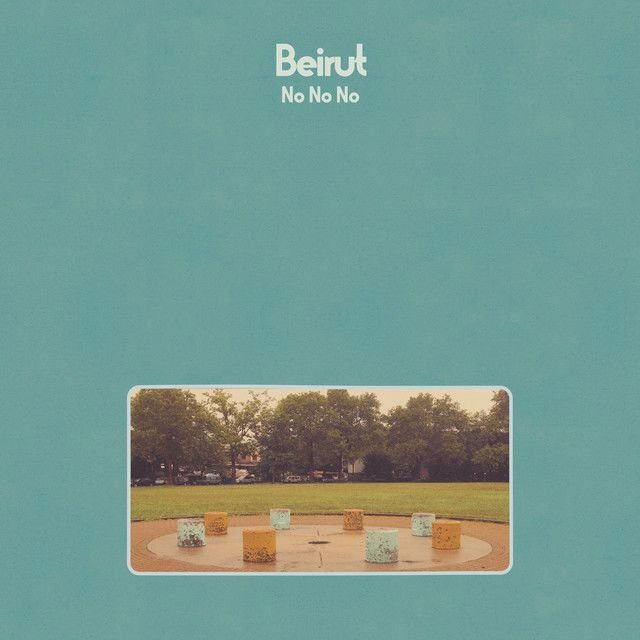
Context helps explain why the song feels both warm and fragile. “So Allowed” closes Beirut's fourth studio album, No No No, released in 2015 on 4AD. According to the album's credits, the record was written by Zach Condon and produced by Condon with Gabe Wax.
That album came after a difficult period in Condon's life. Contemporary coverage and later summaries noted personal upheaval before the record, including exhaustion and a major relationship break. A Paste review described the album as carrying both lost love and found love at once.
That background does not turn “So Allowed” into a literal diary entry. Still, it gives the song a richer frame. It can be heard as the album's final gesture toward acceptance: not total certainty, but a brave willingness to love again.
How the Sound Carries the Meaning
The production is vital to the meaning of So Allowed Beirut. On paper, the lyric is spare. In sound, it blooms. Beirut's style on No No No is more compact than some earlier releases, but the band still brings the mix of indie pop, folk color, and brass glow that defines their work.
On this album, Condon played a wide range of instruments, including piano, synthesizers, trumpet, organ, Rhodes, and mellotron, while other players added percussion, strings, accordion, trombone, and trumpet. That matters because “So Allowed” feels built from soft layers rather than one blunt statement.
The arrangement supports the lyric's emotional hesitation. The melody drifts instead of pushing hard. The chords feel wistful, and the vocal delivery is gentle, almost careful. Rather than sounding triumphant, the repeated wish to claim someone sounds vulnerable. They do not sing like a conqueror; they sing like someone asking whether they may finally believe what they feel.
Two Plausible Readings of the Song
Reading One: A Love Confession
The clearest interpretation is that this is a song about realizing mutual love and wanting to speak it plainly. The verses describe the subtle build of connection, while the refrain states the desire that has been circling underneath.
Oh I want to say you're mine
Oh I want to say you're mine
Paraphrased, the repeated line sounds less possessive than relieved. It feels like they have found a truth they were once afraid to name.
Reading Two: Permission After Emotional Damage
Interpretation: the song can also be heard as being about self-permission. In this reading, so allowed
does not only come from another person. It may describe the narrator allowing themselves to return to intimacy after grief, burnout, or isolation.
That reading fits the broader album mood. Critics often heard No No No as bright on the surface but bruised underneath. “So Allowed” may therefore be a quiet ending in which closeness becomes possible again.
Why the Song Still Lands
Part of the song's charm is how little it insists on. There is no long explanation, no dramatic plot twist, and no final answer. Instead, Beirut lets a few images and one aching refrain carry the emotional weight.
For many listeners, that is exactly why it lasts. The song understands that important feelings are often recognized late, spoken softly, and remembered in fragments. In just a few lines, it captures the instant when affection turns into permission.
Final Thought on Its Meaning
The meaning of So Allowed Beirut is best understood as a portrait of love becoming speakable. Through repeated images, backward-looking verses, and a tender refrain, the song turns hesitation into quiet emotional clarity.
That said, interpretation always has some openness. Listeners may hear romance, recovery, or both, and that ambiguity is part of what gives the song its staying power.
Disclaimer: This analysis mixes verified context with interpretation. Unless Beirut has explained a line directly, any deeper meaning remains an informed reading rather than a confirmed fact.








