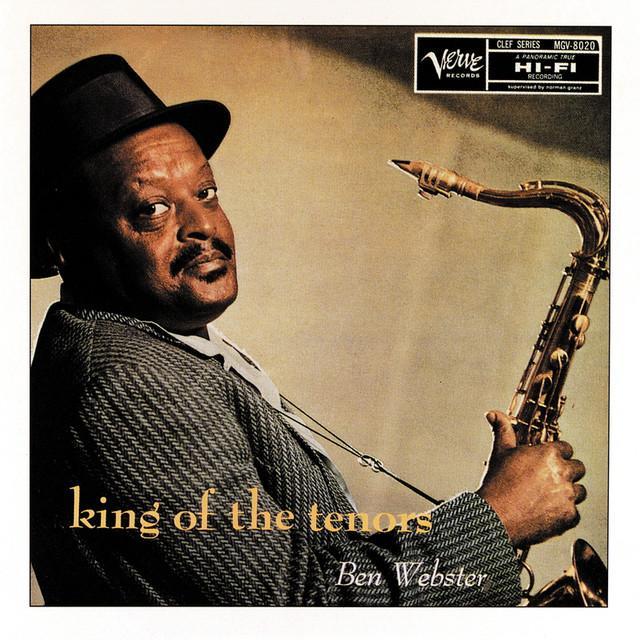
Tenderly by Ben Webster
Why This Love Song Still Feels So Close
The meaning of Tenderly Ben Webster starts with a simple idea: love is remembered as a soft, almost dreamlike moment when nature and human feeling seem to move together. Even though “Tenderly” is a standard recorded by many singers and players, Webster’s version gives it unusual warmth. They turn the song into more than a pretty melody. In their hands, it feels like a memory that is still glowing.
"Tenderly" - Ben Webster
The trembling trees embraced the breeze tenderly
Then you and I came wandering by
Loading lyrics...
Unable to load lyrics
We're unable to display the lyrics at this time. Please try again later.
Factually, the lyric presents a romantic meeting by the shore, where breeze, trees, sea, and mist mirror two people falling into intimacy. The emotional action is small, but the feeling is large. That contrast is the heart of the song.
Watch the official Tenderly
music video
A Scene Built From Nature and Touch
Before the lovers fully appear, the lyric sets the mood with the world around them. The opening image, evening breeze
, suggests calm, privacy, and the start of night. That matters because the song is not about public passion. It is about closeness that feels sheltered.
The natural images also behave like lovers. Trees and wind seem to touch each other; the shore meets sea and mist. The song keeps pairing one thing with another, so when the human couple arrives, they feel like part of a larger pattern. Love here is not shown as shocking or chaotic. It seems natural, even destined.
How the Story Moves
The narrative is short, but it has a clear arc:
- Nature is introduced in soft motion.
- Two people wander into that setting.
- They become emotionally overwhelmed.
- Their meeting turns physical and intimate.
- The memory remains glowing afterward.
That movement is why the lyric feels complete despite its brevity. It starts in atmosphere and ends in possession of memory, love, and touch.
What the Lyrics Are Really Saying
At the center of the song is a memory of mutual surrender. When the lyric says the couple was lost in a sigh
, it shrinks the whole romance into one tiny bodily sign. A sigh is not dramatic. It is involuntary. That suggests the feeling is real because it escapes control.
The same is true when the lyric recalls two hearts met
. This phrase is simple, almost old-fashioned, but that is part of its power. The song is not interested in irony or complication. It treats emotional union as sincere.
Your arms opened wide
and closed me inside
This is the key turning point. The embrace is both welcoming and enclosing. Interpretation: that dual feeling may be why the song remains affecting. Love is shown as safety, but also as being fully absorbed by another person. The final emotional effect is not fear; it is trust.
Ben Webster’s Sound Changes the Meaning
Lyrics alone do not explain why Webster’s reading lasts. Ben Webster was one of the great tenor saxophonists of the swing era, known for a huge tone that could turn rough or breathy in an instant. The Encyclopaedia Britannica notes his importance in jazz history, especially his rich ballad playing. That matters here because “Tenderly” depends on tone as much as words.
On a Webster performance, the melody often feels like it is being caressed rather than stated. They bend notes, linger behind the beat, and let silence do part of the talking. That style matches the lyric’s repeated sense of softness. The title is not just described; it is enacted.
Instrumentation as Emotional Evidence
In jazz ballad settings, “Tenderly” usually moves at an unhurried pace, with piano and rhythm section creating cushion and space. Webster’s saxophone sound often enters like a voice that already knows the ending. Rather than pushing the melody forward, they let it bloom.
Interpretation: this makes the song feel less like a live event and more like a treasured memory replayed in slow motion. The softness of attack and the breath in Webster’s tone underline the lyric’s focus on touch, breath, and closeness.
A Standard With a Long Life
“Tenderly” was written by Walter Gross and Jack Lawrence, and it became an American standard recorded by major vocalists and jazz musicians. The Jazz Standards archive traces its place in the standard repertoire. Webster’s version belongs to that larger history, but they stand out because they avoid sentimentality turning sugary. The performance stays intimate instead of oversized.
That balance helps explain the song’s reception over time. Listeners often return to “Tenderly” not because it is surprising, but because it is sincere. In a lot of love songs, desire is loud. Here it is gentle. In a lot of jazz ballads, beauty can become background music. Webster keeps it human.
Alternate Ways to Hear It
There is a straightforward reading: this is simply a romantic memory of first intimacy, told with elegant natural imagery. That reading is strongly supported by phrases like shore was kissed
and the closing idea of love being received tenderly.
But there is another possible reading. Interpretation: the song may also be about the way memory edits experience. Everything is softened. Nature is cooperative. The moment is perfect. That can sound less like a transcript of real life and more like someone polishing the past until it shines.
Neither reading cancels the other. In fact, they work together. The song can be both a love scene and a memory of love made more beautiful by distance.
Why “Tenderly” Endures
The meaning of Tenderly Ben Webster lasts because the song joins three things that age well: vivid imagery, emotional directness, and a performance style built on warmth. Its lyric says very little, but nearly every line pairs touch with atmosphere. Its melody gives that feeling room to breathe. Webster’s tone then seals the effect.
For listeners in the United States and beyond, the song still lands because it trusts softness. It does not chase cleverness. It does not explain too much. It simply places two people in a hushed world and lets one memory speak.
Disclaimer: This interpretation combines lyrical analysis, jazz context, and informed critical reading. Because standards exist in many versions, listeners may hear different shades of meaning in Ben Webster’s performance.







