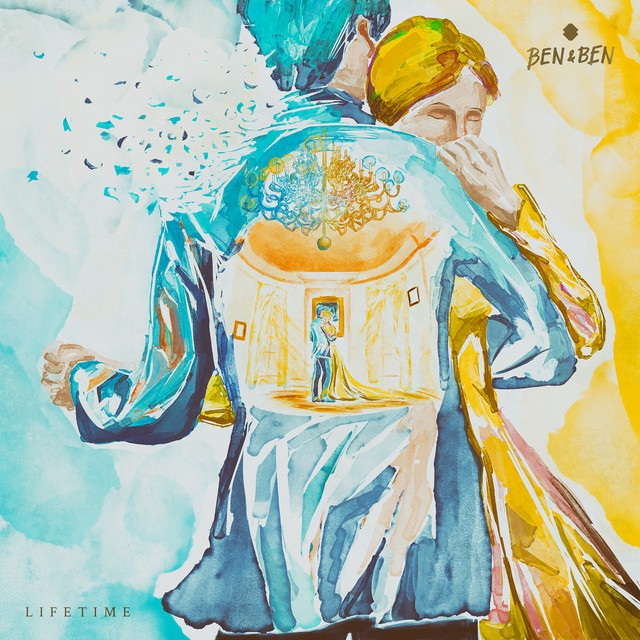
Lifetime by Ben&Ben
The meaning of Lifetime Ben&Ben comes down to one haunting idea: some heartbreaks are not about losing a relationship, but losing the chance to have one at all. Ben&Ben turn that feeling into a gentle, aching song about silence, timing, and the future two people might have shared.
"Lifetime" - Ben&Ben
In a world where I was yours?
Paper planes and porcelain
Loading lyrics...
Unable to load lyrics
We're unable to display the lyrics at this time. Please try again later.
Released on June 4, 2020, as a standalone single through Sony Music Philippines, “Lifetime” was written by twins Miguel and Paolo Benjamin Guico and produced by Jean-Paul Verona with the band, according to publicly available release information and credits (Wikipedia. That factual background matters because the song’s intimacy feels deliberate: it is built less like a dramatic breakup anthem and more like a memory they are almost afraid to touch.
A Love Story Defined by What Never Happened
At its core, the song is about two people who seem emotionally close but never fully cross the line into honesty. The speaker looks back and wonders if fear destroyed something real before it could begin.
That is why the central question lands so hard. When they ask whether there was a lifetime waiting for us
, they are not only mourning the past. They are mourning an entire future that now exists only in imagination.
Interpretation: The song is less about fate blocking love than about hesitation blocking it. The pain comes from knowing the connection may have been mutual.

Watch the official Lifetime
music video
The Verses Turn Small Memories Into Regret
The verses use delicate details to show how vivid this person still feels. Images like paper planes and porcelain
and the smell of rain
suggest softness, youth, and fragility. These are not grand symbols of romance. They are ordinary sensory memories, which makes the loss feel more real.
The line about secrets becoming regrets gives the song its emotional engine. Ben&Ben show how hidden feelings do not stay harmless. Over time, they harden into the question that follows someone for years: what if they had just said something?
When the song calls the other person a good dream
, it captures both comfort and distance. A dream can feel perfect while it lasts, but it disappears when morning comes. That phrase hints that the relationship existed more in possibility than in reality.
Why the Chorus Feels So Crushing
The chorus widens the song from a memory into a life-sized ache. It asks whether it was simply the wrong time
and whether the two people should have tried “a little more.” That wording is important. The song does not imagine a huge, cinematic act. It imagines one small step toward honesty.
This is what makes “Lifetime” relatable. Many love songs describe betrayal or separation. This one describes emotional paralysis. The speaker is not saying, “We had everything and lost it.” They are saying, “We might have had everything, and we never gave it a chance.”
A Brief Narrative Arc
The emotional timeline is simple and effective:
- They remember a tender bond.
- Fear keeps feelings hidden.
- Time passes, and the person belongs elsewhere.
- The speaker replays the missed chance.
- The final question leaves the door emotionally open.
That final turn matters because the last lines suggest that love may have existed on both sides all along.
The Hidden Twist: Mutual Feeling
One of the most painful lines in the song says the narrator was tangled with someone else’s gaze, then admits, in effect, that this person was never really theirs. That is the sound of realization arriving too late.
Yet the ending shifts slightly. Instead of only asking about a lost future, the song hints that the other person may have felt the same. In plain terms, the speaker seems to discover that their love was not imagined, just unspoken.
Is there a lifetime waiting for us?All this time, I have been yours
Because that closing idea arrives so late, it changes the song from private longing into tragic irony. Both people may have been standing near the same truth, but neither moved first.
How Ben&Ben’s Sound Carries the Meaning
Ben&Ben are known for blending folk-pop warmth with emotionally direct writing, and “Lifetime” is a strong example of that style. Public credits list arrangement contributions from several band members, with Jean Paul Verona handling production and mixing and Leon Zervos mastering the track (Wikipedia).
The production stays soft and spacious. Instead of overpowering the lyric, the arrangement lets the words breathe. Gentle acoustic textures, a steady tempo, and restrained dynamics help the song feel like someone revisiting an old thought they can never quite resolve.
Interpretation: The music mirrors hesitation. It does not rush toward release. It circles the feeling, just as the narrator circles the confession they never made.
The Backstory Deepens the Song
Background reported in public sources says “Lifetime” was inspired by a fan comment about two best friends who loved each other in secret for years but never confessed; only at one person’s wedding did the truth come out (Wikipedia). That origin fits the lyrics closely and helps explain why the song feels so specific.
The official music video, released in July 2020, also leans into dream logic and imagined scenarios. According to published summaries, it follows a painter and a woman in a yellow dress, only to reveal that the joyful connection was part of a dream. That visual idea matches the song’s larger message: sometimes people grieve not only what happened, but what never happened.
Why “Lifetime” Still Hits So Hard
The meaning of Lifetime Ben&Ben stays with listeners because it names a kind of grief that often gets overlooked. There is no breakup, no villain, and no explosive ending. There is only tenderness, fear, and time.
That makes the song feel brutally human. It asks a question many people carry quietly: was love lost because it was impossible, or because nobody was brave enough to speak?
Disclaimer: This article offers a close reading based on the lyrics, publicly available background, and the song’s presentation. Interpretation can vary from listener to listener.







