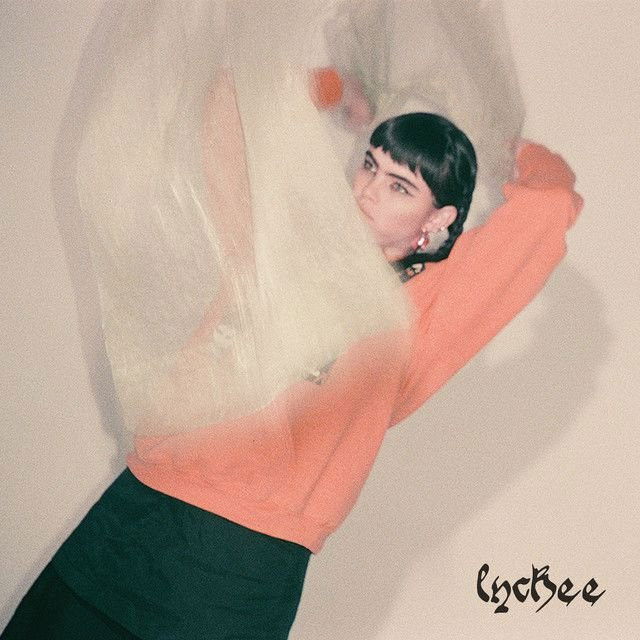
Why 'Marry Myself' by BENEE Says No
The meaning of Marry Myself BENEE becomes clear fast: this is a song about refusing a proposal and choosing self-possession over a romance that feels wrong. But what makes the track stick is not just the refusal. It is the way BENEE turns a dreamy, cinematic setup into a funny, blunt, and surprisingly empowering moment.
"Marry Myself" - BENEE
Yeah the moon's full, lights up the road's path
Turn the music up, roll in, car pulls up
Loading lyrics...
Unable to load lyrics
We're unable to display the lyrics at this time. Please try again later.
Released on BENEE's 2022 EP LYCHEE, the song sits inside a project that followed Hey u x and arrived during a creatively active period for the New Zealand artist, as reported by NME. That context matters because LYCHEE often balances sweetness with emotional caution. "Marry Myself" may be one of the clearest examples.
The Core Message Hiding in Plain Sight
At heart, the song is about a person realizing that a partner's grand romantic gesture does not match what they want. The narrator is not confused for long. Once the proposal appears, they reject the whole scene.
The chorus says it plainly with I wanna marry myself
. In simple terms, that means they would rather commit to themselves than enter a bond they do not believe in. The line can sound cheeky, but it also carries a serious boundary.
Interpretation: This is less a statement against love than a statement for self-trust. They are saying that romance without true consent, timing, or emotional alignment is not romantic at all.
Watch the official Marry Myself
music video
A Movie Scene That Goes Sideways
The opening verse paints a polished setup. There is a night drive, a full moon, music, and a quiet outdoor stop. BENEE even frames it as a scene from a movie
, which hints that the moment feels almost too perfect.
That detail matters because the song contrasts appearance with reality. On the outside, the proposal looks ideal. On the inside, the narrator feels alarmed, not moved.
When they turn around and see the partner kneeling, the reaction is not tears of joy. It is shock. The repeated question What are you doing?
cuts through the fantasy. The song's emotional pivot happens right there: a romantic cliché becomes an uncomfortable misunderstanding.
How the Chorus Rewrites the Story
Many proposal songs build toward commitment. This one does the opposite. BENEE takes the most expected pop ending and flips it.
The line Put the ring down
is direct and almost comic in its firmness. Then comes Give the ring to somebody else
, which sharpens the rejection. The narrator is not asking for more time. They are saying this proposal belongs to the wrong story.
Interpretation: The chorus works because it is both humorous and protective. It sounds catchy and light, but its message is serious: no amount of planning can replace mutual readiness.
Symbols That Support the Meaning
Several small images deepen the song's message:
- The fast car: movement, thrill, and youthful freedom.
- The moonlit road: a romantic backdrop that feels scripted.
- The pear tree and coyote: odd, slightly surreal details that keep the scene from feeling truly safe.
- The ring: not just love, but pressure and expectation.
These details make the song feel cinematic, but also a little uncanny. Even before the proposal, something is off. The environment is beautiful, yet strange. That tension prepares the listener for the refusal.
BENEE's Style Makes the Rejection Land Softly
BENEE often mixes quirky writing with emotional distance, and that balance is key here. According to NME, LYCHEE followed a period she described as a strong creative space, and the project included work tied to collaborators like Greg Kurstin. Kurstin is also credited here as a writer alongside Stella Bennett.
That matters because the song feels polished rather than bitter. Even without pulling apart every production layer, listeners can hear how the bright pop frame keeps the refusal from becoming heavy-handed. The melody is easygoing, while the words draw a hard line.
This contrast is a classic BENEE move. The sound invites listeners in; the lyrics reveal emotional caution. In that sense, the production supports the song's meaning by making self-protection sound confident instead of cold.
Two Strong Readings of the Song
There are at least two useful ways to read "Marry Myself."
Reading One: A self-love anthem
The most obvious reading is empowerment. The narrator refuses a commitment that does not feel right and chooses themselves. In this reading, the song is about self-respect, boundaries, and not accepting a future just because it looks romantic.
Reading Two: A satire of romance scripts
A second reading is that BENEE is poking fun at over-designed proposal culture. Everything is staged so carefully that it feels fake. By rejecting it so bluntly, the narrator exposes how empty a grand gesture can be when it ignores the other person's feelings.
Both readings can be true at once. The song can celebrate independence while also mocking the idea that romance is meaningful just because it looks impressive.
Why the Song Resonates
The meaning of Marry Myself BENEE connects because many listeners know the pressure of expectations in love. Some relationships move according to social scripts instead of real emotional honesty. This song interrupts that script.
Its message is simple: choosing oneself is not selfish when the alternative is saying yes to the wrong person, at the wrong time, for the wrong reasons.
Final takeaway
"Marry Myself" turns a proposal into a boundary-setting anthem. BENEE uses humor, vivid imagery, and a bright pop surface to deliver a clear emotional truth: commitment means nothing without genuine desire.
Disclaimer: This interpretation is based on the song's lyrics, credits, and release context. As with any art, listeners may hear meanings that differ from the ones discussed here.








