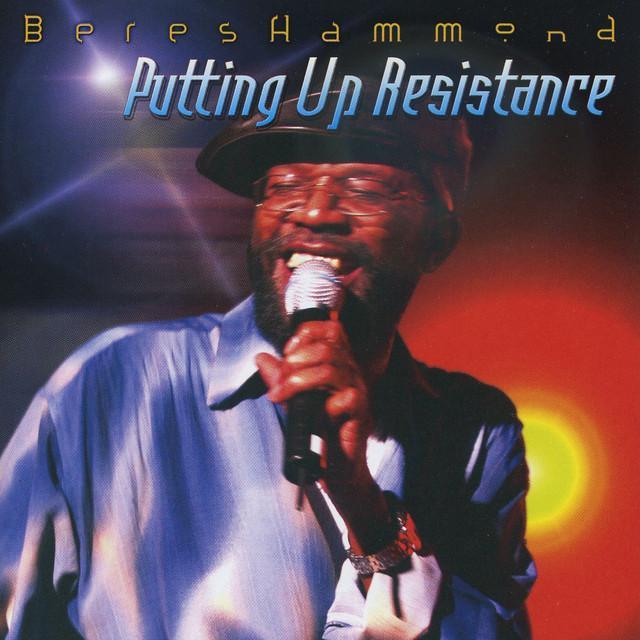
Why Beres Hammond’s ‘Putting Up Resistance’ Still Hits
The meaning of Putting Up Resistance Beres Hammond comes through quickly: this is a song about pressure, unfair systems, and the choice to keep going anyway. Beres Hammond and the writers frame everyday struggle in plain language, but the feeling is bigger than one bad day. It is about work that never seems to pay enough, family time lost to survival, and the stubborn courage needed to endure.
"Putting Up Resistance" - Beres Hammond
Pressure..
No I never can understand it
Loading lyrics...
Unable to load lyrics
We're unable to display the lyrics at this time. Please try again later.
Reggae has long carried messages about social reality as well as groove, and Hammond is one of Jamaica’s most respected voices in that tradition, known for blending lovers rock warmth with roots-minded honesty. That broader context matters, because this song is not just personal sadness. It sounds like a worker’s testimony and a community anthem at the same time.
A Cry Against the System, Not Against Hope
At the center of the song is a speaker who feels trapped by a system designed to keep them struggling. Early lines describe plans and schemes that seem to appear whenever they start to get ahead. The image of lifting their head above water, only to be pushed back down, turns financial stress into something physical and urgent.
That is why the repeated word pressure
matters so much. It names the force bearing down on them, but it also works like a sound effect. The listener hears stress before hearing the details.
Interpretation: the song is not accusing one single person. It points to a larger structure—low wages, blocked opportunity, and the feeling that the rules only work one way.

Watch the official Putting Up Resistance
music video
The Chorus Turns Frustration Into Resolve
The chorus gives the song its emotional payoff. After verses full of exhaustion, Hammond answers with putting up a resistance
and gonna work it out
. Those phrases are simple, but that simplicity is the point. They sound like words someone repeats to stay steady.
Instead of pretending the problem is easy, the chorus says resistance is a daily act. This is not victory music. It is survival music.
Got to fight itGot to fight it
That brief moment sharpens the song’s message. The struggle is ongoing, and the response has to be ongoing too.
Work, Family, and the Cost of Surviving
One of the strongest parts of the lyric is how it links public pressure to private life. The speaker wants to stay home and spend time with family, but they know staying home will not solve anything. That detail makes the song feel painfully real.
The line about hand to mouth
captures the cycle clearly: they work hard, earn a little more, and still cannot get ahead. The money disappears as fast as it comes. In plain terms, the song says survival itself can become a trap.
This is where Hammond’s delivery matters. They do not sing like a distant observer explaining social issues. They sing like someone living inside them. The slight ache in the vocal keeps the song human, even when it speaks in broad social terms.
Images That Make the Struggle Feel Physical
The lyrics use a few repeating images to turn economic hardship into something the listener can picture:
- Water: trying to rise without drowning
- Wind: outside forces pushing life around
- Pressure: stress as a constant weight
- Labor:
breaking my back
for too little return
These are simple images, but they are effective because they connect body and emotion. The speaker is not only discouraged; they are tired, pushed, and nearly submerged.
Interpretation: the water image may also suggest temporary relief followed by renewed struggle. Every time they surface, a new obstacle appears. That pattern makes the system feel deliberate, not random.
How the Reggae Groove Carries the Meaning
Musically, the song gains power from contrast. The rhythm stays steady and grounded, which creates a sense of endurance. Even when the lyrics describe strain, the groove does not collapse. It keeps moving forward.
That balance is a classic reggae strength. The beat can carry protest without becoming chaotic, letting the message land through repetition and pulse. In this song, the groove almost sounds like discipline: keep stepping, keep breathing, keep resisting.
Hammond’s vocal phrasing also helps. They stretch key words, return to the hook often, and let emotion rise without losing control. The result is persuasive rather than theatrical. The song does not need dramatic twists because its realism is the drama.
A Personal Story With a Wider Reach
The meaning of Putting Up Resistance Beres Hammond is personal on the surface, but wider underneath. On one level, it is about one worker under strain. On another, it speaks for many people who feel trapped between responsibility and unfair conditions.
That is likely why the song lasts. Its details are specific enough to feel lived in, but broad enough to fit different times and places. Listeners in the United States can hear it as a song about rising costs, burnout, and chasing stability. Listeners elsewhere may hear labor struggle, class frustration, or even quiet political protest.
The Lasting Takeaway
What makes this song memorable is not just its complaint about hardship. It is the refusal to surrender to that hardship. The speaker admits fear, fatigue, and anger, then answers all three with persistence.
In the end, Beres Hammond turns struggle into dignity. The song says resistance is not always loud or triumphant. Sometimes it is simply the choice to keep standing.
Disclaimer: This interpretation is based on the lyrics provided and general reggae context. Meaning can remain open, and different listeners may hear the song in different ways.







