Why 'Desperately Wanting' Still Hits So Hard
Better Than Ezra’s “Desperately Wanting” is one of those 1990s rock songs that sounds huge on the radio but feels private in the heart. For anyone searching for the meaning of Desperately Wanting Better Than Ezra, the short answer is this: it is about remembering a shared youth with someone who later drifted into pain, instability, and distance.
"Desperately Wanting" - Better Than Ezra
That you never called home
Where they turned out the lights
Loading lyrics...
Unable to load lyrics
We're unable to display the lyrics at this time. Please try again later.
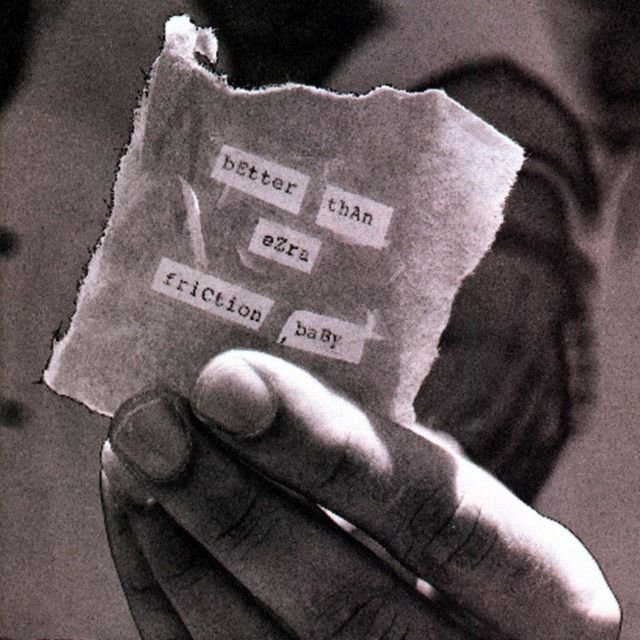
Released as a single from Friction, Baby in late 1996, the song was written by Kevin Griffin and produced by Don Gehman with the band. It also became a solid hit, reaching No. 48 on the Billboard Hot 100 and No. 10 on Mainstream Rock, which helps explain why it still lives in so many listeners’ memories.
A Memory Song With a Wound Inside
On the surface, the track moves like a nostalgic recollection. The singer keeps returning to one clear image: running through the wet grass
. That phrase matters because it is not just scenery. It captures a time when two people were young, reckless, and full of possibility.
Kevin Griffin told Songfacts that the song came from memories of summer nights in the South, causing trouble with friends and feeling that early-life promise before the world had “its way” with them. That artist statement is important. It grounds the song in real memory, not just abstract poetry.

Watch the official Desperately Wanting
music video
Where the Story Turns Dark
What makes the song stronger than simple nostalgia is the way it shifts. After those bright memories, the lyrics describe someone whose life went badly off course. There are references to pills, medical crisis, and being put back together without ever truly healing.
This is where the song becomes less about the past and more about loss. The narrator is not only missing a friend. They are trying to understand what happened to someone who once seemed just as alive and capable as they were.
Take back your life
and let me inside
That brief plea sums up the emotional center. The speaker cannot rescue the other person by force. They can only ask to be let in again.
What “Desperately Wanting” Really Means
The title phrase and chorus do a lot of work. The repeated desperately wanting
sounds youthful at first, like desire without a clear object. But as the song unfolds, that wanting seems to change.
It becomes a longing for several things at once:
- a lost friendship
- a version of the past that cannot return
- healing for the person who suffered
- understanding of how lives split apart
Interpretation: the song suggests that desire itself is part of growing up. In youth, people want freedom and experience. Later, they desperately want answers, forgiveness, or one more chance to reconnect.
The Most Striking Images
Several lines stand out because they blend physical detail with emotional meaning. The house that was never called home
hints at alienation. It suggests that even familiar places can feel cold or broken.
Then there are the references to letters and things the other person may never know. That adds a layer of distance. This is not just a story of one terrible event. It is also about communication failing over time.
Interpretation: the song’s real heartbreak may be silence. The speaker remembers clearly, but memory cannot create contact on its own.
Clearing Up a Common Misreading
For years, some listeners believed the song was about fraternity hazing at LSU. That theory spread because Griffin and other band members had college ties there, and some lyrics can seem to fit a ritual setting.
But Griffin has directly denied that reading in interviews, saying the song instead reflects childhood memories, diverging life paths, and a friend dealing with drug and mental health struggles. That does not stop listeners from finding their own meanings, but it does give the factual context. In this case, artist intent helps clear away a long-running myth.
How the Sound Carries the Message
Musically, “Desperately Wanting” is classic mid-’90s alternative rock: chiming guitars, a steady beat, and a melodic lift that feels open rather than heavy. That matters because the arrangement keeps the song from collapsing under its subject.
The band does not score the lyrics like a tragedy. Instead, they play them with motion and brightness. That creates a bittersweet effect. The music feels like memory moving forward, while the words keep pulling back toward what was lost.
Griffin’s vocal also helps. He sings with urgency, but not melodrama. That balance makes lines about pain feel personal rather than theatrical.
Why the Song Lasts
Part of the meaning of Desperately Wanting Better Than Ezra is that it understands a common adult feeling: looking back and realizing that youth did not prepare anyone for how uneven life becomes. Two friends can begin side by side, yet one ends up carrying damage the other can only witness from afar.
That idea still connects because the song never claims easy wisdom. It does not fully explain the friend, fix the past, or offer a neat ending. It simply holds memory and grief in the same space.
Final Take
“Desperately Wanting” is about the ache of remembering someone before life broke them down. Its images of summer freedom make the later darkness hit harder, and its chorus turns desire into a cry for connection, healing, and understanding.
That is why the song endures: it sounds like a road-trip anthem, but inside it carries grief, loyalty, and the shock of seeing innocence fade.
Disclaimer: This interpretation combines documented artist comments with close reading of the lyrics and music. As with any song, listeners may hear meanings beyond the ones discussed here.







