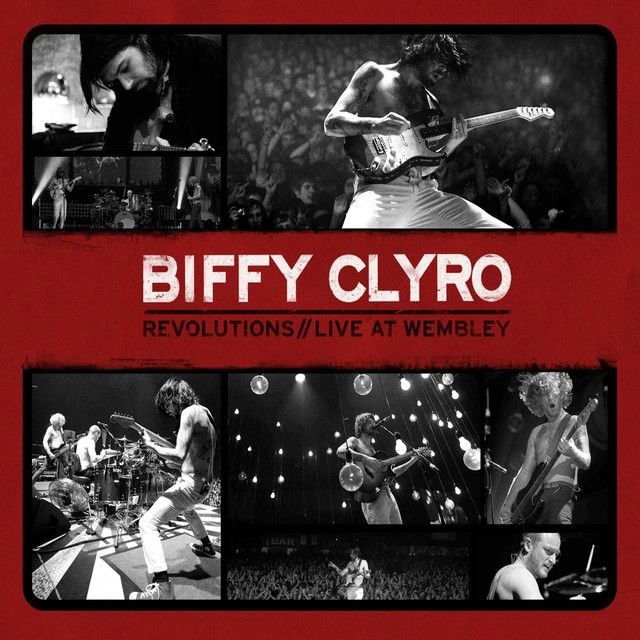
Many of Horror by Biffy Clyro
Why This Love Song Feels So Uneasy
The meaning of Many of Horror Biffy Clyro starts with a contradiction: the song sounds uplifting, but its words are full of fear, damage, and blind loyalty. Biffy Clyro released it on the 2009 album Only Revolutions, written by Simon Neil and produced by Garth "GGGarth" Richardson. On the surface, it can pass as a big rock ballad about staying together. Underneath, it is much more troubled.
"Many of Horror" - Biffy Clyro
But I know you lie
I trust you all the same
Loading lyrics...
Unable to load lyrics
We're unable to display the lyrics at this time. Please try again later.
The narrator speaks from inside a relationship that feels intense, unstable, and painful. They hear love, but they do not fully trust it. Early lines show that split clearly through phrases like I love you boy
and I know you lie
. That pairing matters: affection and doubt arrive at the same time.
Watch the official Many of Horror
music video
The Core Meaning Beneath the Chorus
At its heart, the song is about clinging to a bond even when that bond causes harm. The narrator keeps choosing connection over safety. They admit the relationship leaves marks, yet they still frame the other person as worth the pain.
That is why the chorus hits so hard. It turns romance into impact: when we collide
suggests passion, but also violence. Then the line always be apart
makes separation sound unbearable. The emotional logic is unhealthy but believable: if being together hurts, being apart feels even worse.
Interpretation: Many listeners hear this as a portrait of toxic love, where suffering gets mistaken for proof of commitment. The song does not neatly endorse that mindset, but it captures it with real force.
Verse by Verse, the Story Gets Darker
The first verse presents a relationship built on mistrust. The narrator knows they are being deceived, yet they stay. That choice is not explained in a rational way; it feels more like emotional dependence.
The next images deepen that feeling. The mention of bruises and a broken fairytale
tears down the usual dream of romance. This is not a perfect story gone slightly wrong. It is a fantasy collapsing in plain sight, while the narrator still wants to believe in forever.
In the second verse, the imagery becomes stranger and more trapped. A "wishing hole" suggests helpless waiting, while feet set like stone imply paralysis. They are not moving forward. They are stuck, hoping things will improve without any real sign that they will.
I'll take a bruise
I know you're worth it
Those words are central to the song's tension. Paraphrased plainly, the narrator accepts pain as the price of love. That is the emotional trap the song keeps circling.
What “Many of Horror” May Mean
The title phrase is famously unusual, and that mystery is part of the song's pull. In the lyric, it appears around the idea of a future shaped by fear and separation. It sounds like the relationship opens onto not one problem, but countless ones.
Interpretation: “Many of horror” can suggest a future crowded by emotional damage. Rather than one dramatic breakup, the song imagines love as a long chain of smaller wounds, compromises, and disasters. The phrase is awkward on purpose, almost as if normal language cannot fully describe what this relationship feels like.
Another reading is more inward. The "horror" may not only be the partner's behavior; it may also be the narrator's refusal to let go. The fear comes from knowing the truth and staying anyway.
How the Music Changes the Meaning
Part of what makes the song memorable is how its sound lifts material that is actually very heavy. Biffy Clyro often balance raw emotion with huge hooks, and that is exactly what happens here. The track begins with a sense of restraint, then opens into a broad, almost anthem-like chorus.
That contrast matters. The music gives the narrator's devotion a heroic glow, even while the words describe harm. Simon Neil's vocal delivery pushes that tension further: he sounds urgent and sincere, not detached. They do not sing like someone calmly analyzing a bad romance. They sing like someone still inside it.
For context, Only Revolutions became one of the band's breakthrough records in the UK, and the album marked a polished but still emotional phase in their sound, as noted by the band's official discography and major coverage from NME. That bigger production style helps explain why the song reached so many people. It lets a painful story arrive as a communal singalong.
Why So Many People Hear It as a Love Anthem
Reception shaped the song's meaning too. Some listeners treat it as a straightforward declaration of lasting love, mostly because the chorus is so soaring and memorable. A song can be emotionally complicated and still become a wedding-style anthem once it leaves the artist's hands.
But the details resist a simple romantic reading. References to lying, bruising, and hard impact keep undercutting the sweetness. Even the promise of lasting togetherness feels less comforting when surrounded by damage.
Interpretation: The song works best when both sides stay in view. It is about devotion, yes, but devotion pushed into dangerous territory. That ambiguity is why it lasts.
Final Take on the Song’s Message
The meaning of Many of Horror Biffy Clyro lies in its mix of tenderness and alarm. It captures how love can feel enormous and sincere while also becoming destructive. The narrator wants unity so badly that they accept suffering as part of the deal.
That makes the song less a pure romance than a study of emotional collision. Its beauty comes from how honestly it shows that confusion. Listeners can hear a love song in it, but they can also hear a warning.
Disclaimer: This interpretation is based on the released lyrics, recording, and public context. Like many songs, it remains open to more than one valid reading.









