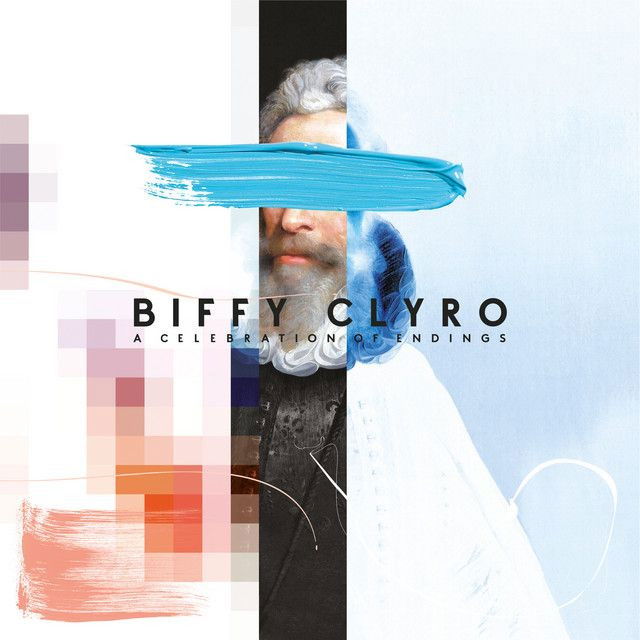
Tiny Indoor Fireworks by Biffy Clyro
A restless song about breaking their own cycle
The meaning of Tiny Indoor Fireworks Biffy Clyro centers on contradiction. The song sounds huge and urgent, but its words describe someone stuck in a pattern of relief, regret, and self-sabotage. They keep reaching for something that will help, then undoing their own progress almost right away.
"Tiny Indoor Fireworks" - Biffy Clyro
Hey, hey, hey
Hey, hey, hey
Loading lyrics...
Unable to load lyrics
We're unable to display the lyrics at this time. Please try again later.
That tension is the heart of the song. On one level, it is about private struggle: trying to manage pain, numbness, or inner pressure. On another, it is about change itself. Around the single’s release, Simon Neil said the larger album was “forward-looking” and about seeing change as progress rather than loss, as reported by The Line of Best Fit. That context matters because this track does not celebrate chaos. It shows how hard growth feels when someone keeps slipping back into old habits.

Watch the official Tiny Indoor Fireworks
music video
The verses sketch dependence without easy answers
The opening images are blunt. The narrator says life turned after finding a medicine jar
, suggesting some kind of chemical escape or coping tool. The song never fully explains whether that means prescription help, self-medication, or a broader symbol for anything used to dull pain. Interpretation: the vagueness is intentional, because the feeling matters more than the exact object.
The next confession makes the emotional cost clear. When they admit this weight is crippling me
, the song frames the problem as pressure that is both mental and physical. It is not just sadness. It feels heavy, repetitive, and exhausting.
Then the track moves from diagnosis to behavior. The key pattern appears in the line I fire it up then blow it out
. In plain terms, they start things and destroy them. They build confidence, plans, or relationships, then tear them down before they can last. That repeated action turns the song into a portrait of self-interruption.
Why the chorus hits so hard
The chorus works because it is simple enough to sound like an anthem, but bleak enough to sting. Biffy Clyro often write hooks that feel big in the body even when the words are troubled, and this is one of their sharpest examples.
Here is the song’s clearest snapshot of that loop:
I build it up then tear it down
And I'll pray for the better days
Those two ideas belong together. First comes destruction; then comes hope. The narrator is not giving up, but they are also not escaping. They are surviving through repetition, asking for improvement while still trapped in habits that block it.
Interpretation: this is why the title feels so smart. “Tiny indoor fireworks” suggests bursts of excitement in the wrong place. Fireworks should be public, open, and freeing. Indoors, they are dangerous, impressive for a second, and likely to leave damage behind. The title mirrors the song’s emotional pattern: flashes of release inside a confined life.
Rain, magic, and impossible actions
The song’s smaller images deepen that meaning. When they sing that rain keeps dripping, the feeling is not dramatic tragedy but constant irritation. This is everyday misery, not one big disaster. It hangs around.
There is also a line about a new revolution
that did not go far. That suggests disappointment with big promises, whether personal or social. Because Neil described the album as both personal and societal, the song can be heard in two ways: as a private spiral and as frustration with failed change around them.
The stranger phrases matter too. “Abracadabra” sounds playful, but in context it feels hollow, like wishing transformation could happen by magic. And lines about impossible achievements, like trying to summit oceans or scale lakes, make effort sound scrambled and absurd. The narrator is working hard, but not always in ways that truly help.
How the music turns anxiety into an anthem
Part of what makes the meaning of Tiny Indoor Fireworks Biffy Clyro so compelling is how the arrangement fights against the despair in the lyrics. The song was released as the third single from A Celebration of Endings, following “End Of” and “Instant History,” during the rollout to the band’s first album since 2016’s Ellipsis, according to album release details.
The production is polished but aggressive. The guitars punch forward in tight bursts, the drums keep everything moving, and the group vocals around the “hey” refrain create a communal rush. That chant-like section almost sounds like release at a live show, even though the verses are full of strain.
This contrast is important. The music does not deny the pain; it stages a fight with it. Loud dynamics and sharp transitions make the song feel like a mind swinging between control and collapse. The huge chorus gives the listener the same false-start feeling as the words: a surge, a crash, then another surge.
The final turn: not madness, but fragmentation
Near the end, the narrator says I lost my mind
and then claims to have found every piece. That image is striking because it is both chaotic and oddly organized. They are scattered, but aware of it. They can see the damage clearly.
The following thought, about not being able to do right without ending up wrong, sums up the whole song. This is not laziness or indifference. It is the pain of someone trying, failing, noticing the failure, and trying again.
What the song ultimately means
The best reading is that “Tiny Indoor Fireworks” is about living with destructive cycles while still reaching for improvement. It captures the moment when someone knows their patterns are hurting them, yet cannot stop repeating them overnight.
Biffy Clyro package that struggle inside one of their biggest modern rock choruses. That is why the song lands so well: it makes private collapse sound public and singable. It turns inner conflict into a communal shout.
For many listeners, that is the comfort. The song does not offer a clean cure. It offers recognition, momentum, and the stubborn idea that better days are still worth asking for.
Disclaimer: This interpretation is based on the released lyrics, artist comments, and musical context. As with most songs, listeners may hear different meanings in the same lines.








