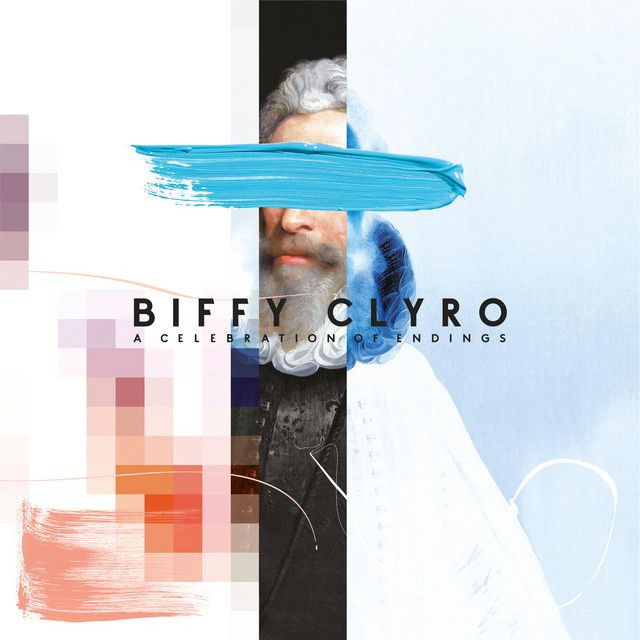
Worst Type of Best Possible by Biffy Clyro
The meaning of Worst Type of Best Possible Biffy Clyro starts with a mess: a drunken night, a busted lip, and words that cannot be taken back. From there, the song opens into something larger. It is not just about one bad evening. It is about how people hurt each other, fail to reconnect, and still keep hoping for peace.
"Worst Type of Best Possible" - Biffy Clyro
I had a lot to say
I woke up with a busted lip
Loading lyrics...
Unable to load lyrics
We're unable to display the lyrics at this time. Please try again later.
Biffy Clyro have long mixed emotional directness with explosive rock dynamics, and this track fits that pattern. The lyrics given here show Simon Neil writing in a blunt, wounded voice. Even when the speaker admits fault, they still cling to the idea that change is possible.
The Core Idea Hiding Inside the Damage
At its center, the song sounds like a portrait of collapse followed by stubborn hope. The opening image is physical and emotional at once. The speaker had too much to drink, said too much, and woke up injured. That injury matters because it suggests consequences, not just bad feelings.
Then the lyric widens into a bigger statement: Times are changing
. The line repeats like a warning. In plain terms, the world around the speaker is shifting, and those changes are not making connection easier. They make the split feel permanent.
Interpretation: The song may be about a broken relationship, but it also leaves room for a broader reading about a divided culture. When the lyric says we can't get along
, it is simple enough to fit both a couple and a whole community.
Watch the official Worst Type of Best Possible
music video
From Hangover to Heartbreak
The first verse gives the song a clear emotional timeline:
- A night of excess.
- A morning of pain.
- A realization that things have gone badly wrong.
- A refusal to give up on peace.
That movement is important. The speaker does not stay stuck in self-pity. They admit the wreckage, then pivot toward what they still want.
One of the song’s strongest lines is Where you are's not where you're from
. Paraphrased, it suggests dislocation. Someone has drifted far from their roots, their better self, or the place where the relationship began.
Interpretation: That line can point to emotional exile. People in conflict often become strangers to each other, and even to themselves.
Why the Chorus Feels So Defiant
The chorus is the emotional center of the song because it refuses despair. The speaker is not pretending things are fine. In fact, they say people are leaving and are not coming back. That is bleak.
But the key phrase is holding out for peacetime
. They are still waiting for a calmer future. Right after that comes holding out for grace
, which adds a spiritual or moral layer. They do not just want silence after conflict. They want forgiveness, softness, and maybe dignity.
This contrast gives the song its tension. Others may choose escape, shown in the phrase move to dreamland
. The speaker rejects that route. They do not want denial. They want change that is real.
The Images That Carry the Song
Biffy Clyro keep the imagery sharp and easy to picture. There are only a few main symbols, but each does a lot of work.
Bruises, drink, and spilled words
The busted lip and the aftermath of drinking suggest violence, recklessness, or at least deep loss of control. The image of words spilling down the face mixes speech with injury. In paraphrase, language itself has become part of the wound.
Peacetime and grace
These words pull the song upward. They hint at healing after conflict, but they also sound larger than ordinary apology. The speaker wants a whole new emotional climate.
Leaving and dreamland
Leaving stands for emotional withdrawal. Dreamland stands for avoidance. One is abandonment; the other is fantasy. The speaker sees both and chooses neither.
How the Sound Likely Shapes the Meaning
Without overclaiming details not provided here, it is still fair to say this lyric suits Biffy Clyro’s familiar style: muscular alternative rock with a strong melodic core. Across their catalog, they often pair heavy tension with vulnerable singing, a contrast documented in coverage of the band’s career and releases by sources such as NME and AllMusic.
That kind of arrangement matters for meaning. A forceful rhythm can make the opening damage feel physical, while a soaring chorus can make hope feel earned rather than sentimental. If the song builds dynamically, that would mirror the lyric’s movement from chaos to determination.
A Few Plausible Readings
The meaning of Worst Type of Best Possible Biffy Clyro works best because it stays open.
Reading one: a relationship in ruins
This is the most direct interpretation. A drunken fight or emotional blow-up leaves lasting damage, and the speaker realizes reconciliation may not happen. Even so, they keep longing for peace.
Reading two: a social or political fracture
Because the lyric talks about changing times and people failing to get along, it can also describe life in a polarized world. The personal voice becomes a way to express wider exhaustion.
Reading three: an inner battle
The line about the devil creeping out suggests a darker self emerging. In that reading, the song is about losing control and trying to become better before it is too late.
Why the Song Lingers
What makes this song hit is its honesty about how hope feels when hope is hardest. It does not promise reunion. It does not say the damage will disappear. It only says the speaker is still waiting for something better.
That is why the song’s title and chorus resonate together. The “best possible” outcome may still feel painful, partial, and unsatisfying. Yet the speaker reaches for it anyway.
Disclaimer: This article offers interpretation based on the provided lyrics and publicly known artist context. Song meanings can remain open, and listeners may hear something different in the same lines.








