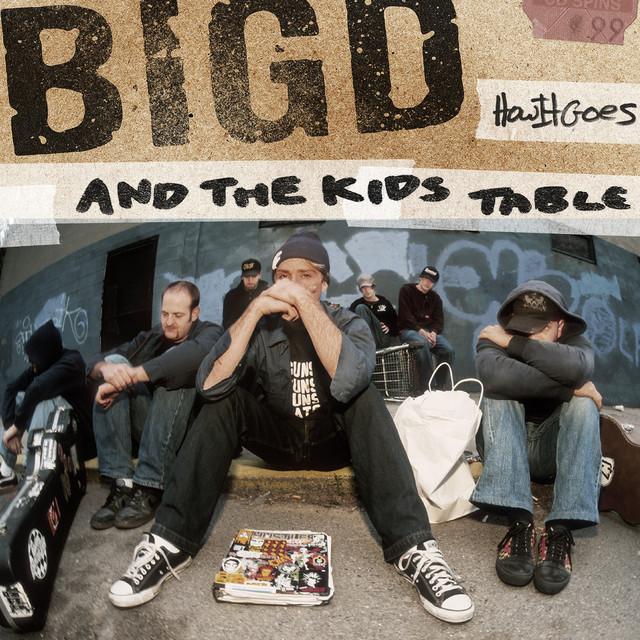
Why “Little Bitch” Hits So Hard
The meaning of Little Bitch Big D and the Kids Table starts with one key fact: this is a cover of a song written by Jerry Dammers of The Specials. Big D and the Kids Table, the Boston ska-punk band formed in 1995, took that sharp, ugly character sketch and made it sound even more immediate through their fast, brass-heavy attack. According to widely cited band histories, they built their name on DIY releases, constant touring, and a deep connection to ska and punk traditions.
"Little Bitch" - Big D and the Kids Table
If you ever hear a noise in the night
Your body starts to sweat
Loading lyrics...
Unable to load lyrics
We're unable to display the lyrics at this time. Please try again later.
A Mean Song With a Clear Target
At its core, the song is about contempt. The narrator tears into someone they see as childish, fake, and self-absorbed. The opening paints that person as weak and dependent, using images of fear, shame, and emotional immaturity. When the lyric points to someone who still runs home for comfort, it is not trying to build sympathy. It is trying to humiliate.
That harshness is the point. The song is less a balanced portrait than a verbal attack. The repeated insult at the end turns the whole track into a kind of public stripping-down. In that sense, the meaning of Little Bitch Big D and the Kids Table is not hidden. It is about social cruelty, image, and the narrator’s desire to expose somebody they think is ridiculous.

Watch the official Little Bitch
music video
How the Verses Build the Insult
Fear, dependence, and arrested growth
The first verse focuses on childish fear. A short phrase like your body starts to sweat
frames panic as weakness. Then the song twists that weakness into shame by describing an adult who still seems emotionally stuck.
The point is not realism. It is exaggeration. Interpretation: the song uses childish details to say this person has never really grown up.
Style, status, and empty cool
The second verse shifts to fashion and scene identity. Details like layered hair
and flared jeans
make the target seem carefully styled, maybe even desperate to look modern or important. The mention of a London flat adds another layer: the song mocks someone for treating urban cool as a costume.
That matters because ska has always had a relationship with style, class, and performance. Here, the song turns those things inside out. Instead of celebrating subculture, it shows someone wearing identity like a prop.
The Darkest Turn in the Song
The third verse is the ugliest. It moves from mockery into talk of self-harm and attention-seeking. The narrator suggests the target does not truly want to die, only to impress others. That is a cruel accusation, and it is part of why the song still feels so abrasive.
A key phrase is in order to show off
. The narrator uses it to turn pain into performance. Interpretation: this section is less about mental health than about the narrator refusing to believe the target is sincere about anything.
That does not make the line gentle or responsible. It makes the song more revealing about the speaker’s rage. The track is built on disgust, not empathy.
Why the Hook Lands So Hard
The final insult, little bitch
, works as more than shock value. It sums up everything the narrator thinks about this person: cowardly, vain, manipulative, and small. By saving the bluntest label for the payoff, the song turns the earlier verses into evidence for one final judgment.
And you think its about time
that you die
Those lines mark the song’s emotional peak, but they should be read carefully. They show how extreme the narrator’s contempt has become. They do not ask the listener to trust the speaker as morally right.
What Big D and the Kids Table Add
Big D and the Kids Table come from Boston’s long-running ska-punk scene and are known for heavy touring and a strong DIY ethic. Their history includes self-released work, later albums on labels like Asian Man, Springman, and SideOneDummy, and a reputation for high-energy live shows. Research sources also note that they made multiple music-video versions of “Little Bitch” around the How It Goes era, which suggests the cover was a real part of their identity in the mid-2000s.
Musically, that matters. Their version likely hits harder for American ska-punk listeners because the band leans into speed, punch, and brass attack. Instead of sounding sly or detached, the insult feels rowdy and physical. The upstroke rhythm keeps it danceable, but the vocal tone makes sure the listener never forgets the song is hostile.
A Song About Performance
One useful way to read the track is as a song about fake selves. Almost every detail points to performance: performative fear, performative cool, performative despair, and performative wealth. Even the line about wanting to be rich
fits that pattern. The target is someone who treats life like a stage set.
Interpretation: under all the name-calling, the song may be attacking social posing more than one specific person. It hates phoniness, and it says so in the rudest possible way.
Final Take on the Meaning
So, what is the meaning of Little Bitch Big D and the Kids Table? It is a vicious portrait of someone the narrator sees as immature, image-obsessed, and fundamentally fake. Big D and the Kids Table sharpen that idea by delivering the song with ska-punk force, turning an old-school ska insult into a fast, sneering burst of public humiliation.
Listeners may enjoy its energy without agreeing with its worldview. That tension is part of why the song lasts.
Disclaimer: This interpretation is based on the lyrics, performance, and available artist context. As with many songs, listeners may hear different meanings in it.








