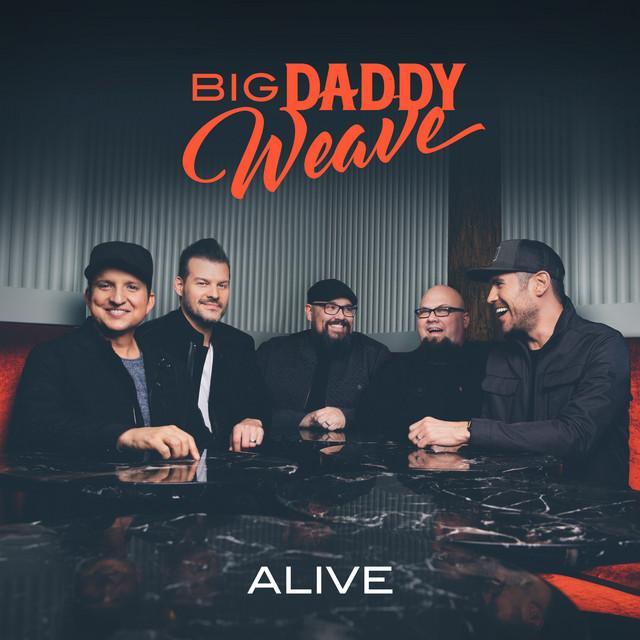
Alive by Big Daddy Weave
A testimony song can sound simple on first listen, but this one turns a basic Christian idea into a vivid story of rescue.
"Alive" - Big Daddy Weave
Provided by LyricFindI was dead in my transgressions
Wandering in sin
I went searching for redemptionLoading...Loading lyrics...
Unable to load lyrics
We're unable to display the lyrics at this time. Please try again later.
Why This Song Hits So Hard
The meaning of Alive Big Daddy Weave comes down to one clear message: a person cannot save themselves, but God can bring them from spiritual death into new life. The song is built like a testimony. It starts in defeat, moves through confession, and lands in gratitude.
That structure matters. Big Daddy Weave have spent years making contemporary Christian songs that mix personal honesty with congregational language. The band, formed in Alabama in 1998, has long leaned into songs of redemption and worship, and that history gives “Alive” extra weight as part of their larger catalog of faith-centered anthems. Their single Alive
later became one of their notable charting songs on Christian radio in 2019, tied to the album When the Light Comes.[1][2]

Watch the official Alive
music video
The Core Story: From Ruin to Rescue
At its heart, the song tells a before-and-after story. In the verses, the speaker remembers a life of failure, wandering, and destructive desire. The language is dramatic, but it is not vague. They describe being spiritually lost as if it were physical danger: fire, flood, running, and sinking.
Those images do two jobs at once:
- They show inner collapse in concrete terms.
- They make the rescue feel urgent rather than abstract.
When the lyric says dead in my transgressions
, it points to spiritual separation, not literal death. The idea comes from Christian theology, especially Ephesians 2, where people are described as dead in sin but made alive by God's mercy.[3] The song does not hide that connection. In fact, its repeated phrase about God being rich in mercy
sounds like a direct nod to that passage.
The Turning Point Lives in Two Words
“But God” changes everything
The emotional hinge of the song is the sudden shift from human weakness to divine action. The speaker lists failure after failure, then the chorus interrupts that downward spiral with God’s intervention. That is why the song feels so uplifting even though much of it is built on confession.
Interpretation: The repeated turn suggests that Christian hope does not begin with self-improvement. It begins with interruption. The person is not climbing out by effort alone; they are being reached for.
The chorus makes that plain with short, direct lines about salvation and rising. Even when the lyrics celebrate being now I'm alive
, the focus is not on personal strength. The life they have now is presented as a gift.
Honest Faith, Not Perfect Faith
One of the strongest parts of the lyric is that the speaker does not claim total victory over every struggle. Midway through the song, they admit they are far from perfect and still battle lies and regret.
That honesty keeps the song from sounding shallow. It says transformation is real, but so is the ongoing fight. The image of a battlefield suggests that faith is not a one-time emotional moment. It is a lived struggle.
Interpretation: This section widens the song’s appeal. It is not only for someone remembering a dramatic conversion story. It also speaks to believers who still wrestle with shame, old habits, or self-condemnation.
The Best Images in “Alive”
Grave, breath, flood, and stone
The song’s imagery is easy to follow and effective. The grave is the clearest symbol: it stands for spiritual death, hopelessness, and a life with no power to revive itself. When the bridge says breathing in, breathing out
, that simple action becomes proof of restored life.
Here is the article’s one brief multi-line quote, which captures that rebirth image:
I'm breathing in
I'm breathing out
I was in the grave
You called me out
Paraphrased, the moment turns salvation into something bodily and immediate. New life is not just a doctrine in the head. It is as close as the next breath.
The flood and sinking-stone images deepen that feeling. Water in the song is not cleansing; it is overwhelming. That makes the rescue more dramatic because the speaker is not merely tired or confused. They are portrayed as unable to stay afloat.
How the Sound Supports the Message
Big Daddy Weave’s arrangement style usually favors strong, accessible worship-pop: piano or guitar foundations, steady drums, and a chorus built for communal singing. “Alive” fits that mold. The production supports the lyric by moving from reflective verses into a fuller, brighter chorus.
That musical lift mirrors the song’s meaning. The quieter opening gives room for the confession, while the swelling hook carries the feeling of breakthrough. Repetition in the bridge also matters. By circling the breathing image again and again, the song sounds like someone rehearsing their new identity until it feels real.
Interpretation: This is one reason the song works both on radio and in church settings. It is personal enough to feel like testimony, but simple enough to become a shared declaration.
Where “Alive” Sits in Big Daddy Weave’s Catalog
For longtime listeners, “Alive” fits naturally beside songs like “Redeemed” and “My Story,” both of which also focus on grace, identity, and what God does for broken people.[1] That consistency is part of Big Daddy Weave’s appeal in U.S. Christian music.
“Alive” reached strong Christian chart positions in 2019, including No. 1 on Hot Christian AC and Christian Songs according to the compiled chart data in the band’s discography.[1] Factually, that shows the song connected widely. Critically, it also makes sense: the message is familiar to Christian listeners, but the imagery gives it enough force to feel fresh.
The Lasting Meaning of “Alive”
The meaning of Alive Big Daddy Weave is ultimately about rescue that leads to gratitude. The speaker looks back at sin without softening it, looks at God without minimizing mercy, and lands on a clear conclusion: life has been given where there used to be death.
That is why the song remains effective. It is simple, but not simplistic. It names guilt, struggle, and regret, yet it refuses to end there.
Disclaimer: This interpretation is based on the song’s lyrics, Christian scriptural echoes, and Big Daddy Weave’s broader artistic context. Meaning can vary by listener experience.
Sources
[1] Big Daddy Weave discography and band history: https://en.wikipedia.org/wiki/Big_Daddy_Weave
[2] When the Light Comes album context: https://en.wikipedia.org/wiki/When_the_Light_Comes
[3] Ephesians 2 background: https://www.biblegateway.com/passage/?search=Ephesians%202&version=NIV







