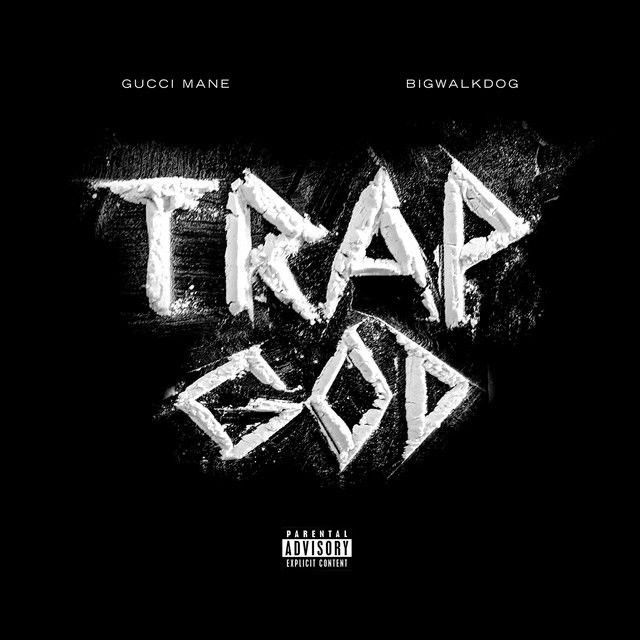
Why 'Trap God' Turns Hustle Into Myth
The meaning of Trap God BigWalkDog, Gucci Mane starts with a bold claim: this is not just a song about selling, spending, or threatening rivals. It is a song about building an identity so large that it sounds almost religious. By calling himself trap god
, Gucci Mane turns trap from a hustle into a legend, while BigWalkDog makes that legend feel current, active, and dangerous.
"Trap God" - BigWalkDog ft. Gucci Mane
Go
Trap god, started this trap shit, you need to thank me (yeah)
Loading lyrics...
Unable to load lyrics
We're unable to display the lyrics at this time. Please try again later.
A Crown, Not Just a Catchphrase
At the center of the track is self-mythology. Gucci Mane opens by saying he started this trap shit
, which frames the song as a statement of origin and authority. They are not asking for recognition; they are demanding it.
That matters because Gucci Mane has long been tied to the rise of Atlanta trap and to 1017 as both a label and a cultural stamp. Basic credits list the songwriters as Radric Davis, Dajour Walker, and Carlton Mays Jr., matching Gucci Mane, BigWalkDog, and producer Honorable C.N.O.T.E. on the track’s rollout and credits on major music platforms such as Spotify and Apple Music.
Interpretation: the title is less about religion than about power. “God” here means untouchable status, creative influence, and fear-based respect.
Watch the official Trap God
music video
Violence as Reputation Management
Much of the song uses violent images, but the point is bigger than shock value. The lyrics paint a world where image has to be defended at all times. When Gucci Mane describes enemies, retaliation, and people becoming bold off alcohol, the song suggests that survival depends on immediate force and a strong reputation.
Lines about people getting what they deserve for underestimating him turn violence into a warning system. They use street-rap exaggeration to say that disrespect has consequences. In that sense, the song is performing toughness as much as describing it.
This is where phrases like armed and dangerous
and one in the chamber
matter. They are short, memorable tags that build a mood of permanent readiness. The emotional logic is simple: if they are always prepared, nobody can strip them of rank.
Gucci Mane’s Verse: Legacy With a Dark Edge
Gucci Mane’s verse mixes veteran pride with menace. He talks about money increasing, criminal ties, and the split between morality and temptation. The image of an angel on one shoulder and a devil on the other is familiar, but it works here because it compresses the song’s whole conflict into one picture.
They are rich, respected, and established, yet still speaking from a mindset shaped by danger. Even the flexes carry tension. Burying money, moving with felons, and feeling presidential all suggest someone who has made it but still thinks like the walls could close in.
Interpretation: Gucci Mane is presenting success as something won through pressure, not peace. The point is not that fame cleaned up the past. The point is that the past still defines how power is used.
BigWalkDog’s Verse: The Trap as Daily Business
BigWalkDog shifts the focus from legend to operation. If Gucci Mane sounds like a king defending his throne, BigWalkDog sounds like the worker who keeps the machine running. His verse is full of measurements, pricing, customers, and product details.
That is why trap look like it’s jumpin’
stands out. He is not speaking in broad myth alone; he is reporting motion, demand, and profit. Another key phrase is go get some money
, which reduces the song’s worldview to a rule: success belongs to whoever can act, earn, and outmaneuver others.
This contrast helps the song. Gucci Mane offers the ideology; BigWalkDog gives it street-level texture.
How the Beat Sells the Message
Honorable C.N.O.T.E. is known for polished Southern rap production, and this beat fits that lane: heavy drums, dark space, and a clean but menacing low end. Credits for the song connect him to the track through commercial listings and publishing data on major platforms like TIDAL and Genius.
The instrumental does two jobs at once:
- It leaves room for blunt, quotable lines.
- It makes every boast feel heavier than normal speech.
There is no sentimental lift in the production. Instead, the mood stays cold and rigid. That choice supports the song’s meaning because it treats the trap world as disciplined, not chaotic. Even the threats sound organized.
The Real Theme: Power Through Performance
The deepest meaning of Trap God BigWalkDog, Gucci Mane is about performance as power. In rap, identity is often built through repetition, imagery, and tone. This track uses all three. Gucci Mane claims he is the source. BigWalkDog proves the lifestyle still moves. Together, they create a hierarchy: founders at the top, workers in motion below, rivals outside.
There is also a generational angle. Gucci Mane has spent years helping launch younger artists through 1017, a fact widely covered by outlets like Complex and Billboard. On this track, that relationship becomes part of the message. The veteran is still dominant, but the protégé validates the empire.
Final Read on the Song
So what is the song really saying? It says trap is not just an environment. It is a brand, a mindset, and a story about authority. Gucci Mane makes that authority sound historic, while BigWalkDog makes it sound alive right now.
For listeners, that is the hook: the song turns hustle into mythology without hiding the ugliness underneath. Interpretation: it is both a flex anthem and a reminder that this kind of power depends on fear, memory, and constant display.
Disclaimer: This interpretation is based on the song’s lyrics, performance, and public artist context. As with any rap song, meanings can be layered, exaggerated, or open to different readings.








