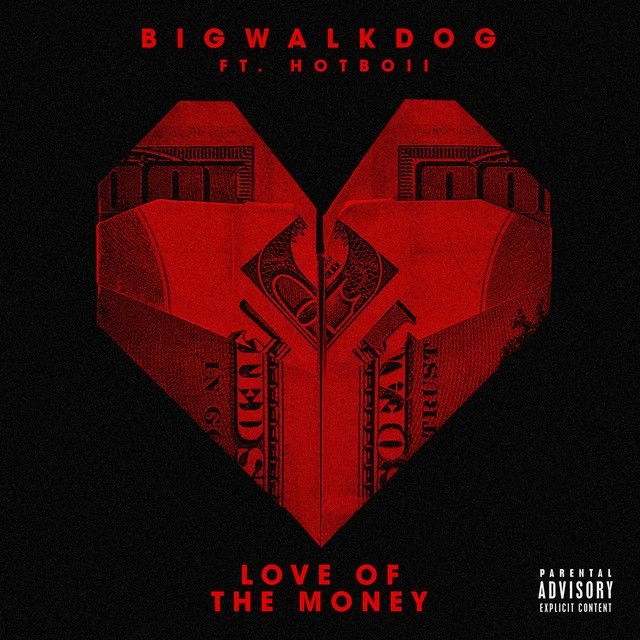
Love of the Money by BigWalkDog, Hotboii
They ask a simple, sharp question: what will people risk for cash and status? From the first bar, ambition collides with threat. The hook turns into a mirror, pushing listeners to face their own limits. If someone is trying to understand the meaning of Love of the Money BigWalkDog, Hotboii, this breakdown follows the words, symbols, and sound choices that drive the song.
"Love of the Money" - BigWalkDog, Hotboii
This money made me better, but it made me a new man
But if they think 'bout playin' with me
Loading lyrics...
Unable to load lyrics
We're unable to display the lyrics at this time. Please try again later.
The Hook That Counts the Real Cost
The track opens like a confession. BigWalkDog admits that success reshaped him: This money made me better
. That line sets a theme of change—improvement, but also transformation with consequences.
Across the chorus, they test boundaries with two pointed questions: what would you do?
and would you go shoot?
The repetition feels like a courtroom cross-exam. Interpretation: they are not only bragging. They are pushing a moral stress test—how far would someone go when the stakes are survival, respect, or revenge?
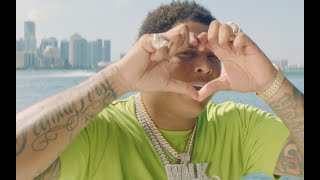
Watch the official Love of the Money
music video
A Voice Forged by Risk and Reward
The verses speak in first person, grounded in daily vigilance. Weapons, security, and constant motion show how visibility invites danger. They celebrate wins but stay alert, framing wealth as both shield and magnet.
When BigWalkDog flexes, he also notes exposure: first one out the city with a Hellcat
. Interpretation: success makes him a target. The glow attracts envy. The pride is real; the threat is too.
How the Story Moves, Step by Step
- Early grind to rising shine: the narrator wakes up thinking money moves and can’t sleep until plans are set.
- Status achieved: cars, jewelry, and a new demeanor mark a shift from hustling to headline.
- Pressure escalates: shows, crowds, and public life increase risk; protection becomes routine.
- Hotboii’s verse widens the lens to crew ties, city codes, and caution about reckless choices.
- Reflection slips in: the refrain keeps asking where people draw lines—and what they’re willing to lose to keep winning.
In the middle of the charge, a warning cuts through: use your mind
. Interpretation: in a world where heat rises fast, thought—not impulse—is the best defense.
The Chorus as a Moral Stress Test
The hook is built like a looped challenge. By repeating those two questions, the song narrows attention to ethics under pressure. Interpretation: the chorus shows how money can bend values by offering instant power or safety. It also hints that many lose more than they gain when they cross certain lines.
Symbols That Flash Like Neon
- Cars (Hellcat, Lamborghini): speed, arrival, and the need to move differently once success hits.
- Jewelry (Patek, tennis chains): time, status, and proof of arrival; trophies that also paint a target.
- Firearms: protection, power, and the cost of being visible.
- Demons/devils: internal conflict. The phrase
love and hate create a demon
suggests success brings envy from others and darker thoughts within. - Crew signs and pendants: loyalty and identity; protection through affiliation, but also obligations.
Each symbol serves two sides—celebration and caution. Interpretation: they argue that rewards and risks are inseparable.
Sound Design That Mirrors the Stakes
A producer tag sets the stage, and the beat leans on booming 808s, bright percussion, and space for the vocals to punch through. The mix leaves air around the hook so the questions land harder. Aggressive cadences pair with chant-like repetition, turning the chorus into a street mantra.
Interpretation: the track’s minimal, hard knock underscores the blunt math of the lyrics. There’s no sentimental pad or soft bridge—only a clear focus on choices, consequences, and motion.
Two Readings That Both Hold Weight
- Cautionary flex: They celebrate wins while warning that money can push people into reckless acts. The bravado is armor; the questions are a conscience check.
- Survival code: The song affirms that in their world, protection is not optional. The hook isn’t hypothetical—it’s a daily decision tree, where hesitation can be fatal.
Both readings are supported by the same images: prizes that prove success and tools that keep it.
Final Word: What the Song Leaves Behind
At heart, the track maps the thin line between victory and vulnerability. It says money can fix problems and make new ones at the same time. The hook keeps asking who people become when everything is on the line.
Credits matter here too: the writers—Dajour Jamal Walker, Demarcus Morgan, and Javarri Latre Walker—craft a lived-in voice that blends hunger with hard limits. Interpretation: the song doesn’t give easy answers; it hands listeners the question and lets them sit in the heat.
Disclaimer: This interpretation is based on lyrical content, performance, and production choices and is not an official statement from the artists.








