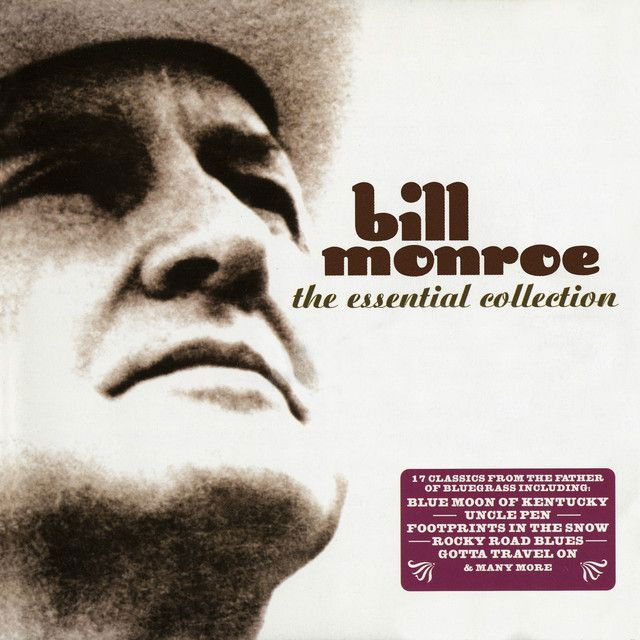
Why Bill Monroe’s 'I Saw the Light' Endures
The meaning of I Saw The Light Bill Monroe starts with a key distinction: Bill Monroe made one of bluegrass music’s best-known versions, but the song itself was written by Hank Williams. Williams recorded it in 1947 and released it in 1948, and Monroe later cut it in 1958 as the title track of his first gospel album. That history matters because Monroe’s version helped move the song from country-gospel standard into the heart of bluegrass tradition.
"I Saw The Light" - Bill Monroe
I wouldn't let my dear Savior in
Then Jesus came like a stranger in the night
Loading lyrics...
Unable to load lyrics
We're unable to display the lyrics at this time. Please try again later.
At its simplest, this is a song about redemption. It follows a speaker who feels spiritually lost, then finds relief, direction, and joy. The title phrase, I saw the light
, is not just about seeing something bright. It stands for a life change: moving from confusion and guilt into faith and peace.
A Conversion Story Told in Plain Words
One reason the song lasts is its directness. The opening presents a person who has drifted morally and spiritually. When the song says they wandered so aimless
, it sets up a life without purpose. That image of wandering is easy to understand, even for listeners who do not hear the song in strictly religious terms.
Then the song turns. The speaker accepts grace, and the whole emotional weather changes. Darkness becomes light, fear becomes joy, and sorrow gives way to praise. The chorus repeats that change in simple language, which is why it lands so hard in live performance.
Interpretation: Even outside church settings, the message can read as a recovery song. Listeners may hear it as a story about leaving shame, addiction, or despair behind. The lyrics support that reading because they focus on transformation more than doctrine.
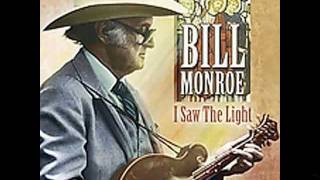
Watch the official I Saw The Light
music video
How the Verses Build the Main Theme
The first verse frames the problem as sin and refusal. The speaker knows they have shut out help. That gives the chorus real force: the song is not celebrating vague happiness, but a hard-won reversal.
The second verse uses blindness as its main symbol. When the speaker says they were like a blind man
, the song turns inner confusion into a physical image. The line suggests not just suffering, but inability to see a way forward.
No more darkness no more nightNow I'm so happy
Those short lines summarize the whole arc. Before, the speaker lived in fear and isolation. After, they feel restored. The language is plain, but that simplicity is the craft: the song does not argue for salvation; it dramatizes the feeling of receiving it.
Where the Song Came From
Factually, the song was written by Hank Williams, not Gary Davis. According to the historical summary collected by Wikipedia, Williams drafted it in January 1947 after his mother reportedly said, “I just saw the light” while driving near Montgomery, Alabama, waking him as they approached the city. It was recorded on April 21, 1947, and released in 1948. It later became one of Williams’ signature gospel songs.
That backstory helps explain the title’s double meaning. It likely began as a literal roadside phrase, then became a spiritual metaphor. Critics and historians have also noted that the song carries a “backslider” theme: a person who has fallen away but still hopes for redemption. That makes it more emotionally complex than a simple hymn of certainty.
Why Bill Monroe’s Version Hits Differently
Bill Monroe’s importance lies in sound and setting. Known widely as the “Father of Bluegrass,” Monroe built a style around hard-driving rhythm, high vocal intensity, and sharp acoustic interplay. On a song like this, that approach changes the emotional color.
Instead of sounding private and reflective, Monroe’s version feels collective. The mandolin chop, brisk tempo, and tight bluegrass ensemble make the chorus sound like public testimony. The arrangement does not soften the song’s religious message, but it gives that message motion.
Interpretation: In Monroe’s hands, the song becomes less about one person’s confession and more about a shared declaration. That may be one reason it works so well in churches, festivals, and group singalongs.
Faith, Performance, and American Roots Music
The song also sits at the meeting point of country, gospel, and bluegrass. Research on the song’s legacy shows that it was not a major commercial hit at first, yet it grew into a standard. It ranked first in CMT’s “20 Greatest Songs of Faith” in 2005, and it remained tied to Williams’ public image as a performer who could move from Saturday-night sorrow to Sunday-morning redemption.
Monroe’s recording mattered because he gave that standard a bluegrass home. His version helped prove that gospel material was not separate from bluegrass identity. In Monroe’s catalog, sacred songs were not side projects; they were part of the tradition’s backbone.
The Lasting Meaning of I Saw the Light
So what is the meaning of I Saw The Light Bill Monroe? It is the meaning of spiritual awakening, carried through a bluegrass voice that makes the message feel immediate and communal. The song uses a few strong symbols, wandering, blindness, darkness, and light, to tell a complete story of being lost and then found.
Bill Monroe did not author that story, but he helped preserve and reshape it. His version honors the song’s gospel core while giving it bluegrass lift and momentum. That is why it still feels alive: it promises that change is possible, and it sounds like it believes it.
Disclaimer: This article offers a literary and musical interpretation based on widely documented history and the recording’s themes. Meaning can vary by listener, performance, and faith background.







