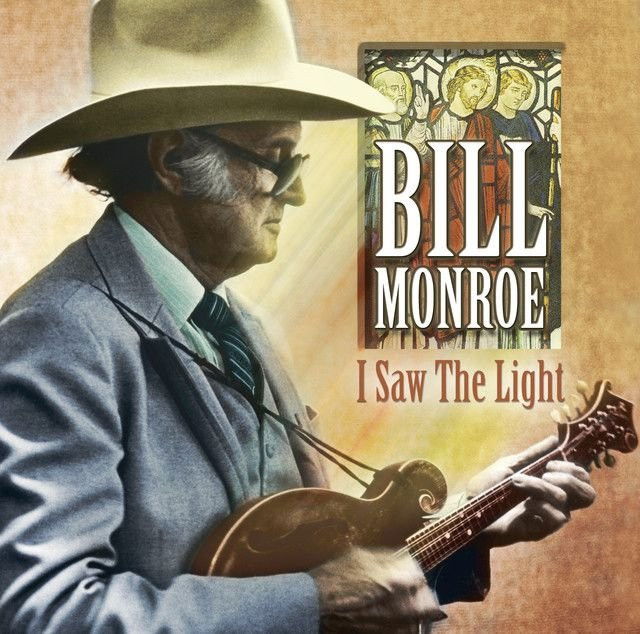
I'll Meet You in the Morning by Bill Monroe
A Bluegrass Gospel Promise, Plain and Deep
The meaning of I'll Meet You in the Morning Bill Monroe starts with a simple promise: separation is not the end. The song speaks from the view of someone who believes death leads to reunion, not disappearance. Its comfort comes from certainty, not mystery.
"I'll Meet You in the Morning" - Bill Monroe
When all sorrow has drifted away
I'll be standin' at the portals when the gates open wide
Loading lyrics...
Unable to load lyrics
We're unable to display the lyrics at this time. Please try again later.
Bill Monroe, often called the father of bluegrass, built a career that mixed hard-driving string-band music with deep sacred feeling. His discography includes many gospel recordings, including the 1964 album I'll Meet You in Church Sunday Morning. That context matters, because this song is not a side trip. It sits inside a long Monroe tradition where grief, faith, and mountain music belong together.
Watch the official I'll Meet You in the Morning
music video
What the Song Is Really Saying
At its core, the song tells listeners that earthly sorrow is temporary. The singer imagines meeting a loved one again in the morning
, which works as a Christian image of resurrection and new life. Morning here is not just a time of day. It means the end of night, fear, and waiting.
The setting is also important. The words place that future meeting by a river, near gates, and in a heavenly city. These are familiar gospel pictures, and they turn abstract belief into something listeners can almost see. Instead of arguing theology, the song offers a scene of welcome.
Interpretation: They can hear the song as a message to the grieving. Rather than dwell on death itself, it moves quickly toward reunion, recognition, and rest.
How the Key Lines Build the Theme
The opening image, bright riverside
, immediately replaces sadness with peace. A river in gospel music often suggests crossing over from earthly struggle into eternal safety. That makes the song feel calm rather than dramatic.
Then the lyric says sorrow has drifted away. That idea matters because the song does not deny pain; it places pain in the past. By doing that, Monroe gives believers a framework for loss: grief is real now, but not forever.
Another striking phrase is the gates open wide
. The song imagines heaven as welcome, not judgment from a distance. The speaker is not unsure about entry. They are waiting at the threshold of a promised home.
How do you do?sit down by the riverthe smile that I wear
Those lines shrink heaven down to warm human gestures. The reunion is not grand in a cold way. It is social, friendly, and familiar. Monroe suggests eternity will not erase personality; it will restore it.
The Christian Imagery Behind the Song
Several symbols come from older gospel language and biblical tradition. The phrase sweet by and by
points to the long American gospel tradition of heaven songs. The image of exchanging burden for reward also appears when the lyric speaks of trading suffering for honor.
The line about a city built four square
echoes biblical descriptions of the New Jerusalem. That phrase gives the song structure and solidity. Heaven is not treated like a cloud or dream. It is portrayed as ordered, lasting, and prepared.
The song also says there will be no disappointment and no death. That is the emotional center of the piece. Monroe names the two fears many mourners carry most: letdown and final loss. Then he answers both with a vision of permanence.
Why the Sound Makes the Message Stronger
A big part of the meaning of I'll Meet You in the Morning Bill Monroe comes from how it sounds. Monroe’s bluegrass gospel style usually depends on clear melody, acoustic strings, firm rhythm, and the famous high-lonesome vocal tone. That style can carry sorrow and hope at the same time.
In a song like this, the mandolin-led bluegrass setting does not undercut the sacred message. It sharpens it. The bright attack of the instruments suggests movement toward the promised meeting, while the sustained vocal feeling keeps the song tender.
Interpretation: They may hear a useful contrast in Monroe’s delivery. His voice often sounds weathered and urgent, which makes heaven feel necessary, not decorative. The music says life is hard; the lyric says it is not all there is.
Bill Monroe’s Context and Why It Matters
Monroe’s importance to American music is well documented through the Country Music Hall of Fame, which honors his role in shaping bluegrass. But his sacred songs are just as revealing as his famous breakdowns and standards. They show that bluegrass was never only about speed or virtuosity. It was also about testimony.
This song fits that legacy well. It combines plain language, shared faith, and memorable imagery. It likely resonated strongly with churchgoing audiences, Southern radio listeners, and families familiar with gospel funerals and homecomings.
Its reception makes sense for another reason: the song offers reassurance without complex wording. Even listeners outside Monroe’s faith tradition can understand its emotional job. It tries to make grief bearable.
Final Take on Its Meaning
The meaning of I'll Meet You in the Morning Bill Monroe is hopeful reunion after death, framed through Christian faith and bluegrass gospel imagery. Its river, gates, smile, and morning light all point toward the same idea: love survives separation in a redeemed world.
That is why the song still works. It does not just describe heaven; it imagines heaven as recognizable, welcoming, and close enough to sing about.
Disclaimer: This interpretation is based on the lyrics, Monroe’s gospel-bluegrass context, and common Christian symbolism. Different listeners may hear it somewhat differently.







