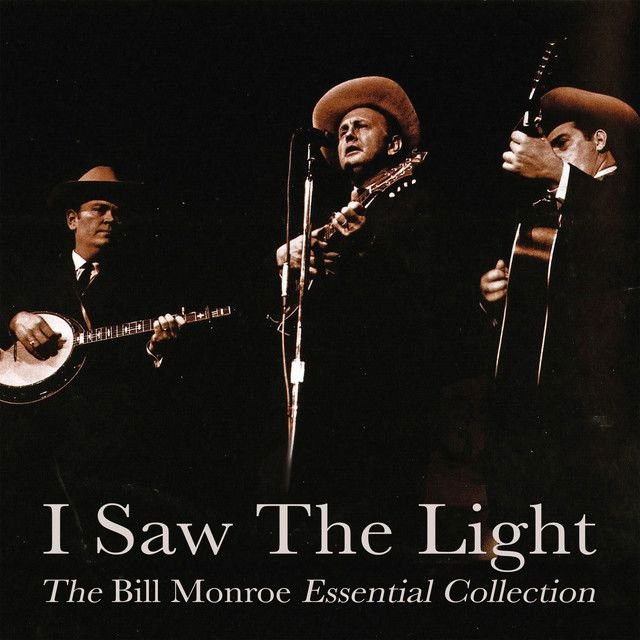
In the Pines by Bill Monroe
The meaning of In the Pines Bill Monroe starts with a feeling before it becomes a story. The song sounds cold, lonely, and unsettled. It moves through trains, dark woods, distance, and heartbreak, but it never explains everything in a neat way. That mystery is part of why it lasts.
"In the Pines" - Bill Monroe
Went down that Georgia line
The engine passed at six o'clock
Loading lyrics...
Unable to load lyrics
We're unable to display the lyrics at this time. Please try again later.
Bill Monroe did not invent this song. It comes from a long folk tradition and is related to versions often called “In the Pines” or “Black Girl.” Monroe, often called the Father of Bluegrass, helped carry it into modern American roots music through his stark, high-lonesome style. In their hands, the song becomes less like a simple tale and more like a haunted emotional landscape.
What the Song Is Really Saying
At its core, the song is about separation and emotional exposure. The speaker moves through a world that feels unsafe and emotionally frozen. The repeated image of being in the pines
suggests more than a real forest. It points to isolation, confusion, and fear.
When the chorus says the sun never shines
, the song creates a place with no warmth or relief. The cold is physical, but it also feels emotional. The line about shivering in the wind turns heartbreak into weather.
Interpretation: The song may describe a person abandoned by love, work, or home. Rather than telling one clear plot, it stacks images of movement and loss until the listener feels trapped in a world where comfort is gone.
Watch the official In the Pines
music video
How the Verses Build a Broken Journey
The first verse gives the listener a strange train image. A train is usually a symbol of travel, escape, work, or fate in American folk music. Here, the speaker remembers the longest train
and watches it pass for hours. That exaggeration makes the train feel overwhelming, almost endless.
This matters because the train is not freedom. It is distance. Something is always moving away, too big to stop. The Georgia setting adds a Southern folk texture, grounding the song in railroad imagery common to older rural music.
The next verse turns to labor and direction. The speaker asks for time, but the captain says he threw his watch away. That detail suggests a world without order or certainty. Then the mention of rail parts and heading home makes the song sound like a work song mixed with homesickness.
The Emotional Center: Home, Love, and Exile
The final verse brings the feeling into personal focus. The speaker addresses a little girl
, asking what caused such cruel treatment. The answer is not really given. What matters is the result: grief, mourning, and leaving home.
That last point is crucial to the meaning of In the Pines Bill Monroe. In folk songs, “home” is rarely just a house. It can mean safety, identity, family, or the self before loss. To be driven from home is to be emotionally unmade.
You caused me to weep
You caused me to mourn
You caused me to leave my home
Those lines are simple, but they hit hard because the song has already built a world of cold and darkness around them. The personal pain and the landscape now match.
Why the Chorus Feels So Haunting
The chorus is the part most listeners remember, and for good reason. It takes scattered verse details and gathers them into one mood: dread. The pines are not peaceful nature. They are a shadowy emotional state.
Interpretation: The pines may symbolize death, depression, abandonment, or the mental space after betrayal. Folk songs often use place as feeling, and this song is a powerful example. The woods become a place where people lose warmth, direction, and connection.
The wordless vocal sounds in the refrain deepen that effect. They feel like moaning, wind, or a cry that cannot fully become language. That is one reason the song stays with listeners even when the narrative seems fragmented.
How Bill Monroe’s Sound Changes the Meaning
Monroe’s importance is not only historical. His musical approach helps explain why the song feels so severe. Bluegrass favors tight acoustic playing, hard rhythm, and piercing vocals. Monroe’s mandolin style and high tenor could make old material sound urgent rather than dusty.
In a Monroe performance, “In the Pines” is not soft nostalgia. It is lean and exposed. The likely acoustic setup—mandolin, fiddle, guitar, bass, and close vocal harmony—leaves little room to hide. That sparseness fits the song’s emotional nakedness.
The “high lonesome” sound, described by the Country Music Hall of Fame, matters here. Monroe’s singing style can make grief sound public and solitary at the same time. They do not just hear sadness; they hear it echo.
Folk Roots, Many Versions, One Lasting Unease
One reason this song has lasted is that it has never belonged to just one writer or one fixed meaning. It traveled through oral tradition, changed across regions, and gathered different verses over time. Monroe’s version is part of that long chain.
That history helps explain the song’s loose, dreamlike structure. It feels assembled from old memories: a train, a captain, a lover, a cold place, a lost home. Instead of weakening the song, that patchwork quality strengthens it. It makes the song feel older than one life.
Final Take: Why It Still Hurts
The meaning of In the Pines Bill Monroe lies in its ability to turn simple folk images into deep emotional signals. Trains become distance. Pines become fear. Cold becomes grief. Home becomes what has been lost.
Bill Monroe’s version gives those images a sharp bluegrass edge, making the song feel ancient and immediate at once. That is why it still unsettles listeners.
Disclaimer: This interpretation draws on the lyrics, folk history, and Monroe’s musical style. Because traditional songs shift across versions, meanings can remain open to debate.








