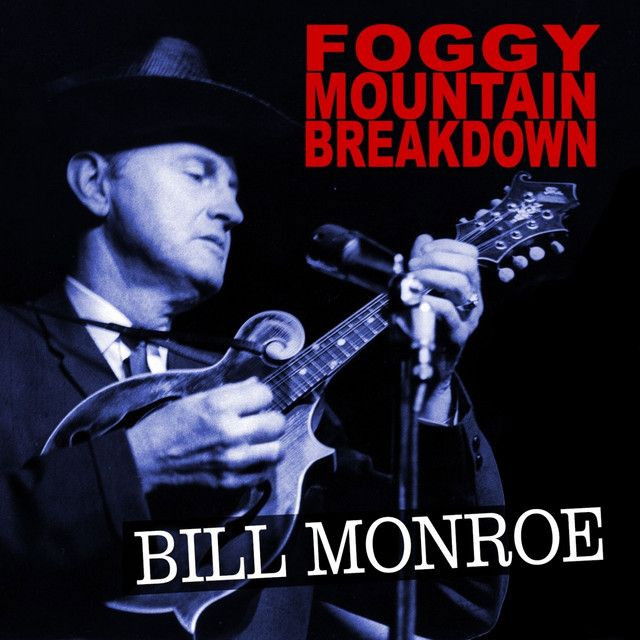
Why 'Uncle Pen' Still Defines Bluegrass
The meaning of Uncle Pen Bill Monroe starts with memory, but it grows into something bigger. This is not just a family tribute. It is also a snapshot of how music built community, how elders shaped younger players, and how bluegrass carries the past into the present.
"Uncle Pen" - Bill Monroe
They'd dance all night till the break of day
When the caller hollered "Do-si-do"
Loading lyrics...
Unable to load lyrics
We're unable to display the lyrics at this time. Please try again later.
Bill Monroe wrote and originally recorded “Uncle Pen,” a song about his uncle and mentor, Pendleton Vandiver, according to widely cited reference histories of the song. In simple terms, Monroe is thanking the fiddler who helped form his musical ear and his emotional world. That personal angle is what gives the song its warmth.
A Family Portrait Turned Into Folk History
At the center of the song is a local musician who seems larger than life. Monroe describes people gathering from all around, dancing late, and waiting for the moment when Uncle Pen would step in and lead the room. Short phrases like break of day
and ready to go
help paint that scene without overexplaining it.
Interpretation: The song treats Uncle Pen as more than one good fiddler. They stand for a whole kind of rural musical authority: the player who could start a party, hold a crowd, and make a community feel like itself.
That matters because Monroe is often called the father of bluegrass, and songs like this show where his sound came from. Before bluegrass was a named genre, it lived in homes, hills, and dance gatherings. “Uncle Pen” turns that history into a story listeners can feel.
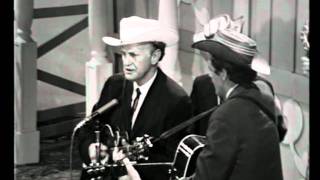
Watch the official Uncle Pen
music video
The Real Meaning Behind the Memory
The song works in three emotional moves:
- It opens with social excitement and dancing.
- It settles into admiration for Uncle Pen’s playing.
- It ends in grief after his death.
That structure makes the song feel complete. It starts with public joy and ends with private loss. In the middle, Monroe explains why the loss matters: Uncle Pen’s music had a voice of its own. When Monroe says the fiddle could talk
and sing
, he is not making a technical point. He is saying the instrument felt alive in the right hands.
Interpretation: The meaning of Uncle Pen Bill Monroe is partly about artistic inheritance. Monroe is telling listeners that a musician can die, but their style, taste, and spirit keep sounding through the next generation.
How the Song Builds Its World
One reason the lyrics feel vivid is the setting. Monroe places the action about sundown
and above the town
. Those details create a strong American image: a hilltop gathering, neighbors traveling in, and music carrying through open air.
This is not fancy writing, but it is effective writing. The details are plain because Monroe wants the place to feel real. The result is almost cinematic. Listeners can imagine the light fading, the dancers moving, and the fiddle cutting through the evening.
Tunes Inside the Tune
Monroe also names old fiddle pieces, including “Soldier’s Joy,” “Boston Boy,” and “Jenny Lynn.” That choice does two things at once. First, it grounds the song in old-time tradition. Second, it shows Monroe measuring greatness by what he heard as a boy.
When he points to Jenny Lynn
as the peak, he is not giving a neutral review. He is revealing taste, lineage, and memory all at once.
Why the Final Verse Hits So Hard
The last verse changes the song from celebration to elegy. Monroe remembers the day Uncle Pen was called away
, then describes the fiddle and bow being put up. The image is simple, but it lands because it turns silence into grief.
There is only one brief moment in the song where the loss is said directly:
They hung up his fiddle
They hung up his bow
Those lines matter because they show death through absence. Monroe does not need a long explanation. If the fiddle is put away, the whole room changes. The dance stops. The voice of the community goes quiet.
Interpretation: This may be the song’s deepest idea. The death of one musician can feel like the end of an era.
How the Sound Carries the Message
“Uncle Pen” is often filed under country, but its heartbeat is bluegrass and old-time string music. The brisk rhythm, sharp picking, and emphasis on fiddle culture all support the lyrics’ sense of motion and gathering. Even on the page, the song wants to move.
That speed is important. A slower arrangement might turn it into pure mourning. Instead, Monroe keeps the energy alive, which makes the song feel like remembrance rather than collapse. He honors the dead by letting the music keep dancing.
This fits Monroe’s larger legacy. Histories of the song note that it became a standard, with major versions by Porter Wagoner and a No. 1 country hit for Ricky Skaggs in 1984. Its long afterlife with performers from bluegrass to jam bands shows how durable its core idea is: one unforgettable player can shape generations.
Why “Uncle Pen” Endures
A big reason this song lasts is that it is personal without being narrow. Listeners do not need to know Pendleton Vandiver to understand the feeling. Almost everyone knows what it means to owe part of themselves to an older relative, a local hero, or a teacher whose influence never fades.
So the meaning of Uncle Pen Bill Monroe is both specific and universal. Specifically, it praises Monroe’s uncle and mentor. More broadly, it honors the people who keep tradition alive until someone younger can carry it forward.
In that sense, “Uncle Pen” is not only about looking back. It is about hearing the past still ringing in the present.
Disclaimer: This interpretation separates documented facts from informed reading. Songs can hold more than one meaning, and listeners may connect with “Uncle Pen” in different ways.







