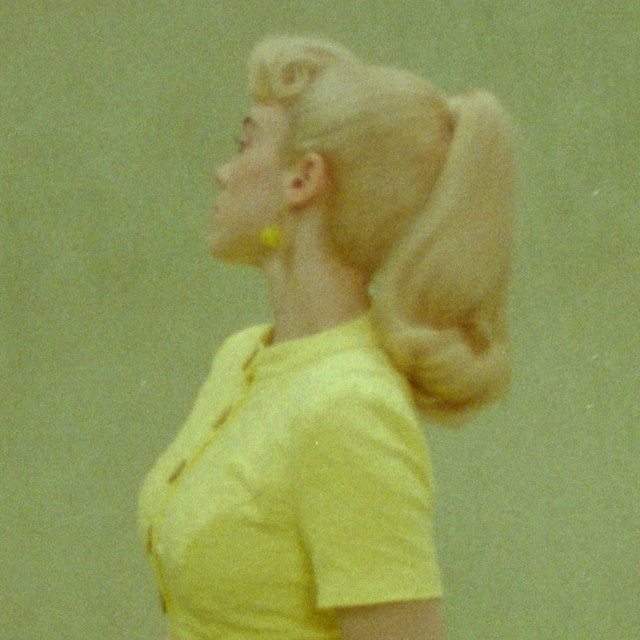
What Was I Made For? by Billie Eilish
Billie Eilish’s “What Was I Made For?” sounds small at first, but its question is huge. The meaning of What Was I Made For? Billie Eilish centers on purpose: what happens when someone no longer feels useful, joyful, or even fully real.
"What Was I Made For?" - Billie Eilish
I used to know but I'm not sure now
What I was made for
Loading lyrics...
Unable to load lyrics
We're unable to display the lyrics at this time. Please try again later.
Written for Barbie and released on July 13, 2023, the song became one of the film’s emotional anchors and later won major honors including the Oscar for Best Original Song. It was written by Billie Eilish O’Connell and Finneas O’Connell, with production by Finneas and Billie, plus additional orchestral work credited to Mark Ronson and Andrew Wyatt on Barbie the Album.
A Barbie Song That Became Bigger Than Barbie
Factually, the song was created after director Greta Gerwig showed Billie and Finneas a rough cut of the film. Billie later said in a brief Billboard interview that she thought she was writing only for the character, then realized the song also reflected her own feelings.
That context matters. In the movie, Barbie starts to question her perfect identity. The song mirrors that shift from bright surface to inner confusion. When the lyric says I used to float
, it suggests a past state of ease or innocence. Soon after, that feeling collapses into heaviness and uncertainty.
Interpretation: even though the song fits Barbie’s story, it also speaks to anyone who has built an identity around being admired, useful, or emotionally “fine,” only to find that image no longer works.
Watch the official What Was I Made For?
music video
The Central Question Is About Purpose, Not Just Sadness
The repeated title line is the song’s heart. It is not just a dramatic thought. It is a real crisis of identity. The narrator is not asking what job they have. They are asking why they exist at all.
That is why lines like I'm not real
and something you paid for
hit so hard. In the film, those ideas connect to Barbie as a manufactured object. Outside the film, they can point to the way people feel shaped by other people’s expectations, public image, or consumer culture.
Interpretation: the song suggests that being made for others can leave a person feeling empty. If their worth depends on performance, beauty, or usefulness, then losing those things can feel like losing the self.
How the Verses Trace an Emotional Drop
The song moves in a clear arc:
- It starts with a memory of lightness and certainty.
- It shifts into doubt and emotional numbness.
- It reaches a low point where joy has disappeared.
- It ends with a small opening toward recovery.
That structure is why the song feels so devastating but not hopeless. Early on, the narrator sounds disconnected from their own emotions. They admit, I don't know how to feel
, which is more specific than simple sadness. It describes emotional dislocation.
Later, the song adds a private, almost embarrassed sadness. The phrase sad again
suggests a recurring struggle, not a one-time bad day. The pain feels familiar, which makes it heavier.
The Final Turn Toward Hope
The ending matters because it changes the song’s meaning. Instead of staying inside the question, the lyric starts imagining an answer.
Something I'm not
but something I can be
This is the song’s quiet breakthrough. The narrator does not suddenly become happy. They do not claim to have solved anything. But they move from emptiness toward possibility.
Interpretation: the closing idea is that purpose may not be a fixed role assigned at birth. It may be something a person grows into, slowly and imperfectly.
Why the Sound Feels So Fragile
A big part of the meaning of What Was I Made For? Billie Eilish comes from the production. Finneas builds the track around soft piano, sparse low-end, and a lot of open space. The arrangement never rushes to comfort the listener.
That restraint is crucial. A bigger pop chorus could have turned the song into a clear catharsis. Instead, the music stays delicate, almost suspended. Billie’s voice is close and breathy, as if the listener is hearing thoughts before they are fully spoken.
The orchestral touches in the background widen the emotional frame without breaking the intimacy. The result is a song that feels both tiny and cinematic, which makes sense for a film ballad that still plays like a private confession.
Why So Many Listeners Connected With It
The song’s success was not only about the Barbie moment. It also reached people because its language is simple and familiar. Many listeners know what it feels like to lose momentum, forget happiness, or wonder who they are without a role to play.
Its impact showed up in both awards and charts. The single topped charts in countries including the U.K. and Switzerland, reached No. 14 on the U.S. Billboard Hot 100, and became a critical favorite in year-end lists.
But numbers alone do not explain its reach. The song gives a very modern fear a classic form: the fear that a person has become an image instead of a self.
The Best Way to Read the Song
The strongest reading is that “What Was I Made For?” is about identity after disillusionment. Barbie is the frame, but the emotional subject is broader: depression, self-alienation, and the need to imagine a future self before they can fully become one.
It is sad, but it is not defeatist. The song does not promise easy healing. It only offers the hope that confusion is not the end of the story.
That may be why it lasts. It turns one simple question into a portrait of modern loneliness, then leaves a small light on at the end.
Disclaimer: This interpretation mixes verified context with critical reading. Like most songs, “What Was I Made For?” can support more than one meaning.







