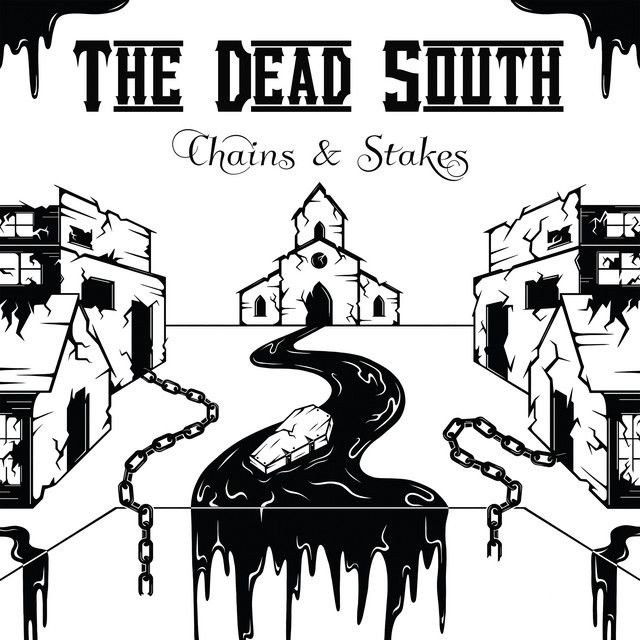
Yours To Keep by The Dead South
A battered spirit, a stubborn refrain, and a band known for dark storytelling—Yours To Keep feels like a bruise that won’t fade. On Chains & Stakes (2024), The Dead South strip things back so the hurt sits right in front of the listener. Cellist-singer Danny Kenyon wrote the track, and the group chose to keep it simple and raw in the Mexico City sessions with producer Jimmy Nutt. That choice gives the lyric nowhere to hide.
"Yours To Keep" - The Dead South
It felt too good, how high you stood, it would not last
You broke a few hearts, a couple promises too
Loading lyrics...
Unable to load lyrics
We're unable to display the lyrics at this time. Please try again later.
A Wound You Can’t Hand Off
At its core, the meaning of Yours To Keep The Dead South is about inescapable responsibility after trauma. The song opens at the scene of the crash
and follows the shock that trails after it. Even when the narrator reaches for numbness, the hurt returns. The title phrase signals the central truth: no one else can carry your consequences.
Who’s Talking, and to Whom?
The lyric uses second person throughout, making the listener feel addressed. Lines like taste of blood
and a nod to ordering a seven and seven
paint a vivid, immediate portrait. Interpretation: the speaker could be a friend offering tough love, a bandmate at your side, or the darker possibility—your own voice, split by guilt, talking back at you.
A Staggered Story in Four Beats
- Aftermath: They walk away from wreckage, bruised and disoriented. The physical detail grounds the moral damage.
- Numbing out: The drink becomes a ritual—comfort that never comforts for long.
- Insomnia and panic: Night after night brings the same jolt; the mind replays impact.
- Rallying cry: There’s talk of tools and proof, a plan to answer the wound with action.
Each beat loops back to the same problem: relief fades, but the memory persists.
A Hook That Refuses Relief
The chorus is the song’s spine. It stacks blunt, percussive lines that feel like verdicts rather than comfort:
You won’t make it, take it, you cannot sleep Living day to day, it shakes you
Immediately after, the title arrives like a stamp of ownership: your pain to keep
. Interpretation: the refrain isn’t cruel; it’s honest. Healing starts only when the injured party stops outsourcing the hurt.
Symbols in Mud, Chains, and Open Water
The lyric piles images that hint at both penance and pushback. Mud and blood suggest being stuck in the consequence. Weapons and relics—cutlass, rope, shrine—sketch a vigilante fantasy, a way to “show them” and regain control. Then the horizon widens: take the leap
and drift in the ocean. Interpretation: that leap could be escape, surrender, or the first step toward acceptance.
When the voice says to “bright away the chains and stakes
,” it links the song back to the album’s title. Interpretation: chains and stakes are the burdens we drive into our own ground—habits, debts, shame. Brightening them suggests facing the weight in daylight instead of hiding it. The spinning phrase “Shadows only haunt the children of the discreet” doubles down: secrets make ghosts.
How the Sound Makes the Hurt Land
Musically, Yours To Keep walks rather than runs. Listeners hear a steady, catchy banjo line under strummed guitar, with bowed cello often acting as the bass anchor. The band recorded Chains & Stakes at Panoram Studios in Mexico City and co-produced with Jimmy Nutt. According to interviews around the album, they kept this track bare bones on purpose to let the emotion hit harder. The restrained mix, the low vocal delivery, and the lack of ornament tell you this isn’t a chase; it’s a reckoning.
Across the album, The Dead South lean into their bluegrass-adjacent, acoustic attack—banjo, mandolin, guitar, and cello—but here they resist their usual high-speed fireworks. That choice serves the lyric: every rest and repeat feels like the clock at 3 a.m. when you’re still awake.
Alternate Paths the Song Hints At
- Interpretation: Accountability ballad. The “you” is the driver who caused harm. The chorus is a sober check-in: no excuse will move the pain off your ledger.
- Interpretation: Survivor’s monologue. The “you” is the victim talking to themselves. The rallying imagery reads as self-coaching—gather your tools, stand up, and face daylight.
- Interpretation: Revenge fantasy vs. recovery. The weapons and shrine form a fork in the road. One path soothes by imagining payback; the other accepts the slow work of healing.
Final Turn: What We’re Meant to Carry
Yours To Keep won’t let its character off the hook. It shows how quickly shock reaches for old crutches and how quickly those crutches snap. The song’s plainspoken verdict is also its mercy: the only way out is through, and the weight is yours—until you learn how to lift it.
Disclaimer: Song interpretations are subjective. This reading draws on the lyrics, band interviews about the recording approach, and the album’s context.








