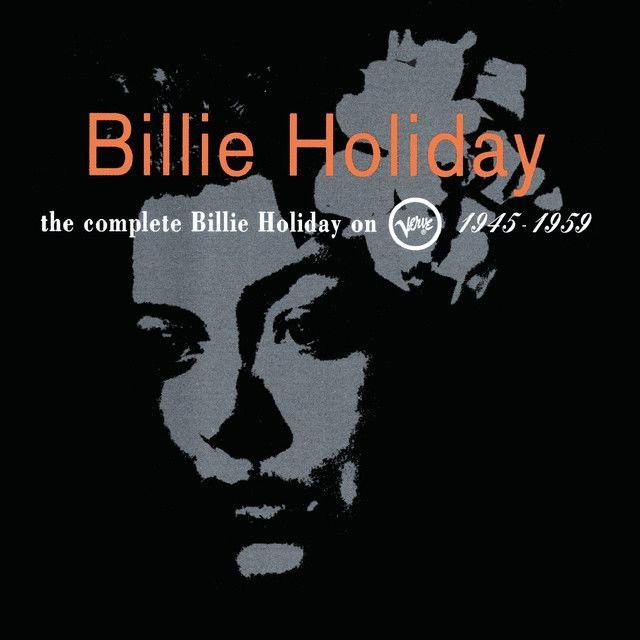
Autumn In New York by Billie Holiday
Why This Standard Still Feels Alive
The meaning of Autumn In New York Billie Holiday recorded is rooted in a simple but rich idea: a city can feel like a romance. The song presents New York in fall as glamorous, lonely, hopeful, and bruised at the same time. That mix is why it lasts.
"Autumn In New York" - Billie Holiday
Autumn in New York, it spells the thrill of first-nighting
Glittering crowds and shimmering clouds in canyons of steel
Loading lyrics...
Unable to load lyrics
We're unable to display the lyrics at this time. Please try again later.
Written by Vernon Duke, the song was already a standard before Billie Holiday made it her own. Their version matters because Holiday did not sing cities like postcards. They sang them like lived-in places, full of memory, fatigue, desire, and brief flashes of comfort.
In plain terms, the song says autumn in New York can make people believe in new beginnings even when they know pain is part of the deal. That tension sits at the center of the lyric.

Watch the official Autumn In New York
music video
A Love Song to a City—and a Mood
At first, the words sound like praise for Manhattan. The season seems so inviting
, and the city promises excitement, beauty, and culture. The lyric notices theater crowds, tall buildings, rooftops at dusk, and Central Park after dark. New York appears elegant and cinematic.
But the song does not stop at surface beauty. It says the season brings the promise of love, yet that promise is mingled with pain
. That turn is crucial. The city offers emotional possibility, but it never guarantees safety.
Interpretation: This is not only about falling in love with another person. It is also about falling in love with an atmosphere—with the feeling that life might become larger, more meaningful, or more beautiful in a certain place.
How the Lyrics Build That Feeling
The lyric moves through a series of contrasts. One set of images is public and glamorous: crowds, opening nights, upscale lunches, shining rooftops. Another is private and exposed: dreamers, empty hands, lovers in the park, people trying to feel at home.
That contrast helps explain the song’s emotional power. New York is shown as both spectacle and shelter. It dazzles, but it also catches people when they are vulnerable. When the lyric says the season can lift you up
, it suggests emotional rescue, not just scenic beauty.
There is also social range in the writing. The song mentions the rich and worldly, but it also claims autumn can transform ordinary or harsh places into something grander. In other words, beauty is not reserved for elites. For a brief moment, the whole city seems softened.
Dreamers with empty handsmay sigh
for places that seem more exotic,
This small moment matters because it interrupts the glamour. The song admits that some people still long for elsewhere. New York may be magical, but it cannot erase human restlessness.
Billie Holiday’s Voice Changes the Meaning
On the page, “Autumn in New York” can read like a sophisticated show tune. In Billie Holiday’s hands, it becomes more intimate and more fragile. Their phrasing tends to lean behind the beat, which creates a reflective mood. Instead of rushing toward excitement, the performance often feels like someone thinking out loud.
That matters for interpretation. Holiday’s style makes the song less about civic pride and more about emotional memory. Even lines that celebrate the city can sound touched by distance. When they sing about feeling at home, the feeling is moving because it does not seem permanent. Home sounds temporary, almost borrowed.
Holiday’s art often depended on understatement. They did not need to overplay sadness. A slight crack in tone, a delayed entrance, or a softened ending could suggest experience beyond the words. That is why this song can feel wiser in their version than in brighter, more polished readings. Readers can hear not just enchantment, but endurance.
What the Music Adds to the Story
The musical setting supports that double feeling of glow and ache. As a jazz standard, the song usually moves at an unhurried pace, with warm chords and a gentle melodic rise and fall. That shape gives the lyric room to breathe.
The harmony is especially important. Like many American standards cataloged by the Jazz Standards archive, this song uses elegant chord movement that suggests sophistication, but also emotional ambiguity. The melody opens with invitation and wonder, then settles into phrases that feel more resigned.
Instrumentation in Holiday recordings from this era often favors a soft ensemble backdrop: piano, subtle rhythm section, and restrained horn colors. That kind of arrangement lets the singer hold the center. Here, the city is not painted in loud colors. It is sketched in twilight shades.
Themes Beneath the Surface
Romance as hope
The lyric says autumn brings the promise of new love. That does not mean love has arrived. It means the season makes people open to the possibility.
Beauty touched by sadness
The song keeps balancing pleasure with ache. The city shines, but the people in it are still lonely, disappointed, or tired.
Belonging in a hard place
New York’s steel, crowds, and social display might seem cold. Yet the song insists it can still make someone feel at home.
Reinvention
One of the most moving ideas is that the city can change how life looks. Ordinary streets become magical, and old feelings seem worth living through again.
A Reasonable Alternate Reading
Interpretation: Some listeners hear the song as slightly ironic. The references to worldly people and elegant habits may hint at a city addicted to image. From this angle, autumn’s beauty works like a filter, making everything look richer than it is.
Still, the song never becomes cynical. Even if New York is theatrical, the emotion feels genuine. The dream may be temporary, but it still matters.
Final Take on the Song’s Meaning
The meaning of Autumn In New York Billie Holiday comes down to this: the song captures how a place can awaken longing, nostalgia, and hope all at once. It sees New York as both dream and reality, where beauty can briefly heal disappointment.
Billie Holiday deepens that idea by singing the city as if it has already broken hearts and charmed them again. That is why the song feels mature instead of naive. It believes in wonder, but only with open eyes.
Disclaimer: This interpretation blends widely accepted musical context with informed reading of the lyrics and performance. As with any classic standard, listeners may hear different shades of meaning.








