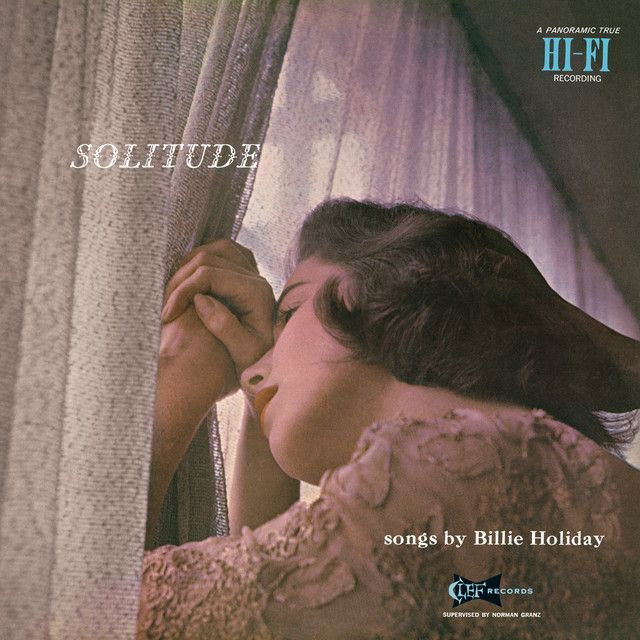
Blue Moon by Billie Holiday
The meaning of Blue Moon Billie Holiday comes down to a simple but powerful emotional turn: a person starts in deep loneliness and ends in sudden hope. What makes Billie Holiday’s version lasting is not just the lyric’s romance. It is the way they sing it—with patience, ache, and restraint—so the change feels almost miraculous, but never flashy.
"Blue Moon" - Billie Holiday
You saw me standing alone
Without a dream in my heart
Loading lyrics...
Unable to load lyrics
We're unable to display the lyrics at this time. Please try again later.
A Lonely Heart Under a Watchful Sky
Written by Richard Rodgers and Lorenz Hart, “Blue Moon” became one of the great American standards, recorded by many artists over time. Rodgers and Hart are widely credited as its writers in major song references and archival listings such as the Library of Congress and the Songwriters Hall of Fame. Billie Holiday’s connection to the song matters because they were one of the most emotionally direct interpreters of the standard era, as documented in biographical resources including Encyclopaedia Britannica.
At its core, the song presents a speaker who feels empty and exposed. The opening image, paraphrased, places them alone at night with no clear future and no partner. The phrase standing alone
quickly sets that scene. This is not dramatic heartbreak with anger or blame. It is quiet absence.
That matters because the moon is not just scenery. In the lyric, it acts like a witness. It seems to recognize what the speaker lacks and what they are hoping for. The phrase saying a prayer
suggests longing that has turned almost spiritual.

Watch the official Blue Moon
music video
The Song’s Emotional Plot in Four Moves
The narrative is easy to follow, which is part of why the song works so well.
- The speaker begins isolated and emotionally empty.
- They silently hope for real love.
- A beloved appears almost out of nowhere.
- The whole emotional world changes.
That shift is captured in the famous image of the moon changing color. When the lyric says the moon turned to gold
, it signals transformation. The night is still the night, but the speaker sees it differently because love has entered the picture.
Interpretation: This is why the song feels bigger than a basic romance. It suggests that love does not only add companionship. It changes perception itself.
Why Billie Holiday Makes It Feel More Fragile
Many singers treat “Blue Moon” as lush, dreamy, or polished. Billie Holiday often brought something different to standards: a feeling of lived experience. Their style leaned on elastic phrasing, intimate timing, and a tone that could sound wounded and warm at once. The National Museum of African American History and Culture notes Holiday’s major role in shaping vocal jazz interpretation through phrasing and emotional depth on its artist overview.
That is key to the meaning of Blue Moon Billie Holiday. On paper, the lyric moves from sadness to fulfillment. In performance, Holiday can make that fulfillment sound delicate, as if joy might vanish if held too tightly.
How the Sound Supports the Meaning
As a jazz standard, “Blue Moon” usually relies on a gentle harmonic flow, clear melody, and space for vocal nuance. In Holiday’s world, accompaniment often supports rather than overwhelms the vocal line. The arrangement tends to keep attention on breath, pause, and emphasis.
When they linger over a line or soften the end of a phrase, the song’s wish for love feels vulnerable. Instead of sounding like a fairy-tale ending, it sounds like someone hardly daring to believe they have found connection.
Symbols That Carry the Whole Song
The imagery is simple, but each part does real work.
The moon as witness
The “blue moon” is more than a romantic prop. It is almost a silent companion, observing loneliness before love arrives. Because a blue moon is also associated in English with rarity, the title hints that this emotional reversal is unusual and precious.
Gold as emotional change
The move from blue to gold is the song’s strongest visual symbol. Blue suggests sadness, distance, and night. Gold suggests warmth, value, and revelation. The world has not literally changed color; the speaker’s inner life has.
Please adore methe moon had turned to gold
Even in this brief moment, the lyric links affection with transformation. Love is presented not as casual attraction but as something almost magical.
Is the Song Innocent, or Is It Dreamlike?
There are at least two useful readings.
Interpretation 1: It is a direct love song about answered loneliness. The speaker wants one true connection and believes they have found it. The phrase no longer alone
seals that emotional resolution.
Interpretation 2: It may also describe an idealized moment, almost like a fantasy. The beloved appears suddenly, the moon changes, and everything is instantly healed. That dream logic can make the song feel less realistic and more like a wish fulfilled in the mind.
Holiday’s voice supports both readings. They can make the romance believable while also letting a little sadness remain around the edges.
Why “Blue Moon” Still Connects
The song lasts because its idea is universal: people know the feeling of waiting for life to change. They know the private hope that someone might appear and make the world feel different. “Blue Moon” captures that hope in very plain language, and Billie Holiday gives it emotional depth.
So the meaning of Blue Moon Billie Holiday is not just that love arrives. It is that loneliness, hope, and wonder can all exist in the same breath. Holiday’s interpretation makes the song feel less like a slogan about romance and more like a fragile human moment.
Final takeaway
Their version turns a classic standard into something intimate and slightly haunted. That is why the song still feels moving: it promises joy, but it never forgets the loneliness that came first.
Disclaimer: This interpretation is based on the lyrics, established songwriter credits, and common listening analysis. Meaning can vary from listener to listener.








