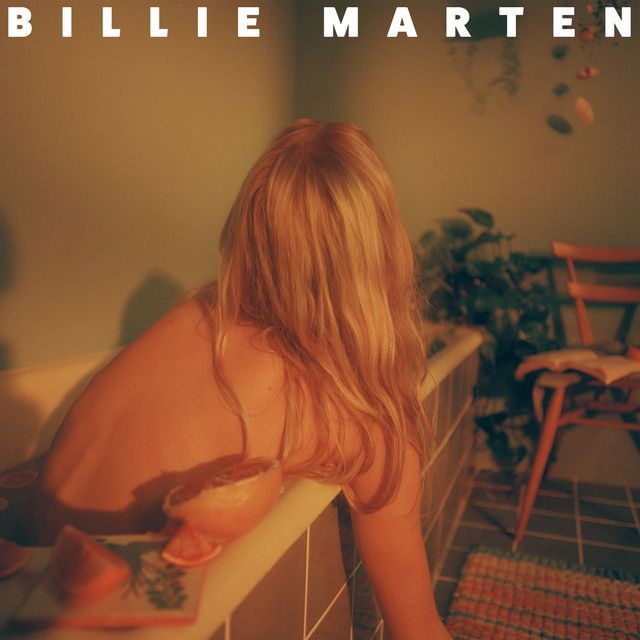
Mice by Billie Marten
The meaning of Mice Billie Marten comes into focus as a portrait of private exhaustion. The song does not move like a dramatic confession. Instead, it circles the same feelings again and again: self-doubt, emotional numbness, strained relationships, and a body that feels hard to live in.
"Mice" - Billie Marten
Most of the time
I'm living my life all wrong
Loading lyrics...
Unable to load lyrics
We're unable to display the lyrics at this time. Please try again later.
Written by Isabella Tweddle, the artist behind Billie Marten, “Mice” feels small on the surface but heavy underneath. Its language is simple, yet the images stay with the listener. That mix is part of what makes the song feel so intimate.
A Quiet Song About Loud Inner Conflict
At its core, “Mice” sounds like a person trying to explain why life feels wrong from the inside. Early on, the speaker admits they do not understand why they keep living all wrong
. That phrase matters because it is not about one mistake. It suggests a deeper fear that their habits, emotions, and self-image have all drifted off course.
The next lines deepen that feeling. When the song mentions the freedom of the fall
, it links release with collapse. That is a striking contrast. Freedom usually sounds hopeful, but here it arrives through losing control, which gives the song a sad and unsettling edge.
Interpretation: This can be heard as a meditation on depression or burnout. The speaker is not only unhappy; they seem detached from their own reactions, even saying they felt nothing. That numbness is just as important as the pain.

Watch the official Mice
music video
The Chorus Turns Self-Scrutiny Into a Loop
The repeated section is where the song becomes hardest to ignore. The speaker says they will separate the ones
they are made to love and hate, then mentions counting down my body weight
. After that comes the blunt refrain: I'm tired
.
Those lines connect several themes at once:
- emotional division
- guilt and resentment
- body fixation
- chronic fatigue
Rather than telling a neat story, the chorus shows a mind caught in repetition. The phrase about love and hate suggests relationships have become split and unstable. People are no longer experienced simply as comforting or painful; they are sorted, judged, and emotionally managed.
The line about body weight is especially stark. It may point to disordered eating, self-monitoring, or a broader need to control something when everything else feels unstable. Because the song gives no explanation, the image lands with even more force.
What the “Mice” Image Might Mean
The title image arrives late, which makes it feel important. The singer looks at the stars and says they look like little mice
. It is one of the strangest and best moments in the song.
Interpretation: This image can work in a few ways. First, it shrinks the vastness of the sky into something tiny, nervous, and earthly. Stars usually symbolize wonder or guidance. Turning them into mice removes grandeur and replaces it with fragility.
Second, mice are quick, vulnerable creatures. They can suggest anxious thoughts that scatter the moment someone tries to hold them still. In that sense, the image fits the whole song: even the universe is perceived through a mind under strain.
The next idea, that the speaker is their only vice, pushes the meaning inward. The threat is not really outside. The self has become both the source of comfort and the source of damage.
Nature Offers Contact, Not Relief
One of the most affecting parts of “Mice” is how it uses physical imagery. The song mentions a bench, the sun on the neck, skin, and the earth pulling the speaker back. These details briefly ground the song in the body and in the outside world.
But nature does not fully heal anything here. The sun cools, the earth pulls, and the body remains present, yet none of that resolves the inner conflict. The world touches the speaker, but it does not rescue them.
That matters because Billie Marten often writes with close attention to texture and atmosphere. According to her official site, her work is rooted in intimate songwriting and understated detail. “Mice” fits that approach well: it uses small concrete images to carry large emotional weight.
How Billie Marten’s Style Shapes the Meaning
Billie Marten is widely associated with modern folk and indie folk, including coverage around her debut album 5AM. That context helps explain why “Mice” feels so exposed. In this style, emotional impact often comes from restraint rather than volume.
Even without overproduced drama, the song’s likely effect is intense. A soft vocal delivery can make the repeated exhaustion sound more believable, not less. Gentle instrumentation also creates contrast: the prettier the setting, the more alarming the self-destructive thoughts become.
Interpretation: If the arrangement feels delicate, that delicacy may mirror the speaker’s emotional state. The song does not explode. It wears down.
Two Strong Readings of the Song
There is more than one useful way to hear the meaning of Mice Billie Marten.
Reading One: A song about self-doubt and body distress
This reading puts the most weight on the repeated focus on tiredness, self-division, and body weight. From that angle, the song captures a mind that is over-monitoring itself and losing the ability to feel stable.
Reading Two: A song about emotional alienation
Another reading hears the song as broader than body image alone. The real issue may be estrangement from life itself: from joy, from love, from other people, and even from the speaker’s own emotional responses. In this version, the body image line is one symptom of a deeper fracture.
Why “Mice” Lingers
“Mice” stays with listeners because it never overexplains its pain. It offers fragments: numbness, collapse, self-doubt, strange celestial imagery, and a repeated admission of fatigue. Together, those pieces form a clear emotional picture even when the exact story remains open.
In the end, the song feels less like a message and more like a state of mind. It shows how someone can be surrounded by the physical world and still feel trapped inside themselves.
Disclaimer: This interpretation is based on the lyrics, Billie Marten’s artistic context, and the song’s imagery. As with all art, listeners may hear different meanings.









