Why 'Hakuna Matata' Means More Than Fun
The meaning of Hakuna Matata Billy Eichner, Seth Rogen, JD McCrary, Childish Gambino starts with comedy, but it lands on something deeper. In the 2019 The Lion King, the song is playful, bright, and full of jokes. Yet beneath that surface, it explains a life strategy: step away from shame, stop letting fear rule the day, and find relief in the present.
"Hakuna Matata" - Billy Eichner, Seth Rogen, JD McCrary, Childish Gambino
Hakuna matata! It ain't no passing craze!
It means no worries, for the rest of your days
Loading lyrics...
Unable to load lyrics
We're unable to display the lyrics at this time. Please try again later.
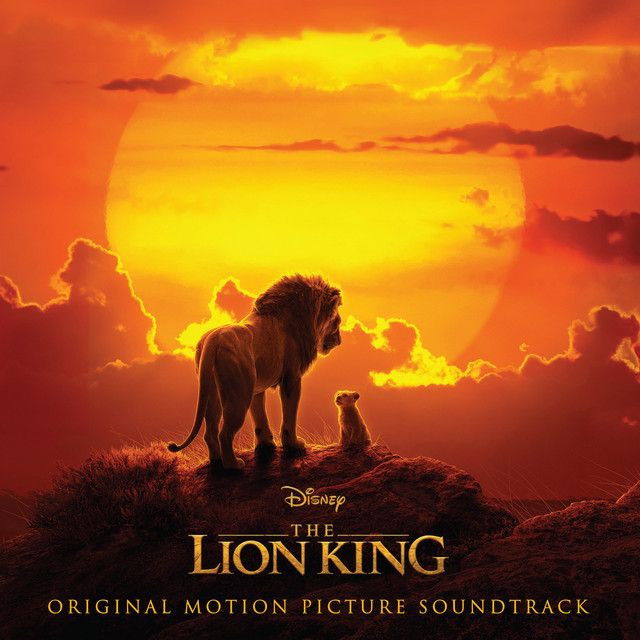
This version appears in Disney's 2019 remake of The Lion King, directed by Jon Favreau, with Billy Eichner as Timon, Seth Rogen as Pumbaa, JD McCrary as young Simba, and Donald Glover as adult Simba under the name Childish Gambino. Disney credits Elton John and Tim Rice as the songwriters, carrying over the classic song from the 1994 film.
A Motto That Sounds Simple
At the center is the famous phrase Hakuna matata
, which the characters explain as no worries
. On its face, that sounds light and easy. The song presents the idea as a cheerful motto that can solve daily stress.
But the story gives it more weight. Timon and Pumbaa meet Simba after trauma and exile. They offer him a new way to live, one built on comfort, appetite, friendship, and forgetting pain for a while. So the phrase is not just comic branding. It is emotional shelter.
Watch the official Hakuna Matata
music video
The Real Conflict Hiding Inside the Joke
The funniest section belongs to Pumbaa, who tells an embarrassing story from his youth. He describes feeling judged for something he could not control, and the song turns that shame into a running gag. When he calls himself a sensitive soul
, the joke also reveals vulnerability.
That matters because the number is really about social pain. Pumbaa has been mocked. Simba has been haunted by guilt. Timon has built his whole worldview around avoiding trouble. Each character reaches for the same solution: stop giving power to the thing that hurts.
Interpretation: Relief, Not Wisdom
One strong reading is that the song celebrates emotional relief more than real wisdom. It helps in the moment, but it is not a complete philosophy. In the larger arc of The Lion King, Simba cannot stay in this carefree space forever. He eventually has to return to his past and face responsibility.
That tension is why the song lasts. It is joyful, but not fully right. It offers healing, but also avoidance.
How the Characters Carry the Theme
Billy Eichner's Timon sounds quick, theatrical, and a little pushy. He sells the motto like a lifestyle brand. Seth Rogen's Pumbaa brings warmth and awkward honesty, which keeps the song from becoming too slick. Their back-and-forth makes the philosophy feel less like a lecture and more like friendship.
JD McCrary and Childish Gambino matter too, even when the comic duo dominates. Simba's presence gives the song stakes. He is the one being recruited into this worldview. When the refrain promises a problem-free philosophy
, the audience knows why that would tempt him.
How the Sound Supports the Meaning
Musically, the song is built for ease. The rhythm moves with a loose bounce, and the melody is direct enough to feel like a chant. That simplicity is important. A complicated song would weaken the message. Instead, the arrangement makes the motto sound natural and repeatable.
The production in the 2019 film also leans into character performance. The spoken jokes, interruptions, and mock arguments create a lived-in feel, as if the song is happening in real time rather than being delivered as a polished stage number. That helps the central idea: this philosophy is casual, improvised, and meant to lighten the air.
Why the Humor Matters So Much
The comedy is not extra decoration. It is the method. Pumbaa's embarrassing story, Timon's teasing, and the repeated riffing all show how laughter can shrink pain. Instead of denying that shame exists, the song changes its size.
That is why lines like young warthog
and the joke around changin' my name
do more than get laughs. They turn humiliation into a story that can be shared. Once pain becomes a joke among friends, it loses some of its sting.
A Bigger Meaning in the Film
Inside the movie, this song marks a turning point. Simba moves from survival to escape. He is not healed yet, but he has found a pause from grief. That pause matters.
Still, the film quietly argues that for the rest of your days
is too absolute. The motto works as a season of life, not a final answer. In that sense, the song is both sincere and limited. It offers mercy, not destiny.
Interpretation: Freedom With a Catch
Another reading is that the song reflects a common human instinct: when life hurts too much, people build identities around not caring. That can be healthy for a while. It can also become its own trap.
This makes the number emotionally smarter than it first appears. It knows that carefree living feels wonderful, especially after pain. It also knows, through the story around it, that real growth waits elsewhere.
Why It Still Connects
The meaning of Hakuna Matata Billy Eichner, Seth Rogen, JD McCrary, Childish Gambino endures because almost everyone understands the appeal of dropping their burdens for a day. The song gives that feeling a bright melody, comic chemistry, and a phrase simple enough to remember.
What they sing is not a full life plan. It is a break, a coping tool, and a small act of kindness between outsiders. That is why the song feels so good: it offers temporary peace without pretending pain never existed.
Disclaimer: This interpretation is based on the song, its film context, and publicly known credits. Meaning can vary from listener to listener.








