Why Billy Joel’s Italian Restaurant Still Hurts
The meaning of Scenes from an Italian Restaurant Billy Joel comes down to one powerful idea: people love the past, even when they know it cannot be recovered. The song turns a simple dinner reunion into a wider story about youth, marriage, class dreams, and the quiet sadness of growing older.
"Scenes from an Italian Restaurant" - Billy Joel
Perhaps a bottle of rose instead
We'll get a table near the street
Loading lyrics...
Unable to load lyrics
We're unable to display the lyrics at this time. Please try again later.
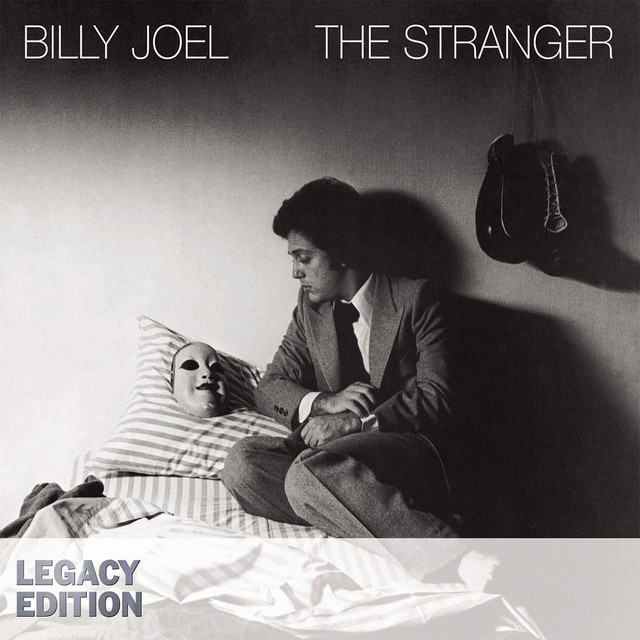
Billy Joel released the track on The Stranger in 1977, one of the albums that made him a major American songwriter. It was written by Joel and produced by Phil Ramone, whose work on the album helped shape its warm but cinematic sound. Those facts are widely documented in album notes and major music references.
A Reunion That Opens a Time Capsule
The song begins in a relaxed, familiar place. The opening images of wine and a favorite table make the scene feel intimate and ordinary. That matters because the song’s emotional force comes from how a normal evening suddenly becomes a portal into the past.
When the narrator offers a bottle of red
or a bottle of white
, the words are not just menu choices. They suggest comfort, routine, and an old bond that still works. From there, the voice shifts into life updates: a job, a marriage, a family, the kind of adult checklist people use when catching up after years apart.
But beneath that surface, the conversation is charged. They have “lost touch,” and the meeting carries the awkward tenderness of seeing who someone became.

Watch the official Scenes from an Italian Restaurant
music video
Brenda and Eddie: More Than Just Gossip
The middle section tells the real story
The heart of the song is the tale of Brenda and Eddie, remembered as the king and the queen
of their local world. On the surface, it sounds like neighborhood gossip. In meaning, it is much bigger.
Brenda and Eddie represent the promise of youth. They are attractive, popular, and full of motion. Joel places them in diners, cars, and teenage nightlife, showing a specifically American kind of romance built on freedom and image.
Interpretation: Brenda and Eddie are not only two people. They stand for the belief that being young and adored will somehow protect a person from disappointment.
Why their breakup matters
Their marriage arrives quickly, and adult life closes in just as fast. Money gets tight. The apartment and store-bought furnishings show a modest dream of middle-class success, but the dream is fragile from the start.
A short phrase like money got tight
says almost everything. Love is not destroyed by one dramatic betrayal. It erodes under pressure, ordinary stress, and unmet hopes. That is what gives the song its lasting sting.
The Real Theme: You Can’t Go Back
One of the song’s clearest messages comes in the idea that you can never go back
. That line captures the whole emotional argument.
The song does not mock nostalgia. It understands why people romanticize old nights, old clothes, old songs, and old romances. At the same time, it insists that memory edits reality. The past looks cleaner from a distance than it felt when people were living inside it.
Interpretation: The restaurant scene works as a frame for this lesson. The characters can revisit the place, the menu, and the conversation style, but they cannot truly step back into their younger selves.
How the Music Carries the Story
A big reason the song feels so rich is its structure. Joel reportedly combined separate musical ideas into one suite-like track, which helps explain why it moves like a mini-movie rather than a standard verse-chorus pop song.
The opening piano section feels relaxed and conversational. Then the arrangement grows brighter and more rhythmic as the teenage memories come alive. By the time Brenda and Eddie’s saga takes over, the band pushes forward with more energy, almost like memory itself has become louder than the dinner table.
That shift is crucial to the meaning of Scenes from an Italian Restaurant Billy Joel. The sound tells listeners when memory is idealized and when reality crashes in. Jazz touches, rock momentum, and Joel’s theatrical phrasing all make the song feel communal, as if an entire neighborhood is remembering together.
Artist Context Makes the Meaning Deeper
Billy Joel often wrote about ordinary American lives, especially Long Island and New York-area scenes. He had a gift for making local details feel universal. In this song, diners, leather jackets, cheap apartments, and familiar streets become symbols of a generation learning that adulthood is less glamorous than promised.
Critics and fans have long treated the song as one of Joel’s signature story songs, and that response makes sense. It combines character writing with social observation. Instead of one simple heartbreak, it offers a whole chain of losses: lost youth, lost certainty, lost status, and lost closeness.
A Lasting Reading of the Song
In the end, the song returns to the restaurant and the invitation to meet again. That circular ending is gentle, but it is not naive. After everything the listener has heard, the repeated setting feels bittersweet.
The comfort is real, yet so is the damage time has done. That balance is why the song endures. It is warm without being sentimental and sad without becoming hopeless.
For many listeners, the meaning of Scenes from an Italian Restaurant Billy Joel is simple: life rarely follows the script people imagined at 17, but memory keeps trying to retell it anyway.
Disclaimer: This interpretation is based on the lyrics, recording, and documented career context. As with any song, meaning can vary from listener to listener.








