Why Billy Joel's Fire Still Burns
The meaning of We Didn't Start the Fire Billy Joel comes down to one big idea: history did not begin with one generation, and it will not end with one either. Billy Joel turns four decades of headlines into a breathless roll call of war, celebrity, politics, science, scandal, and pop culture. The point is not that every item is equal. The point is that all of it arrives together, shaping the world people inherit.
"We Didn't Start the Fire" - Billy Joel
South Pacific, Walter Winchell, Joe DiMaggio
Joe McCarthy, Richard Nixon, Studebaker, television
Loading lyrics...
Unable to load lyrics
We're unable to display the lyrics at this time. Please try again later.
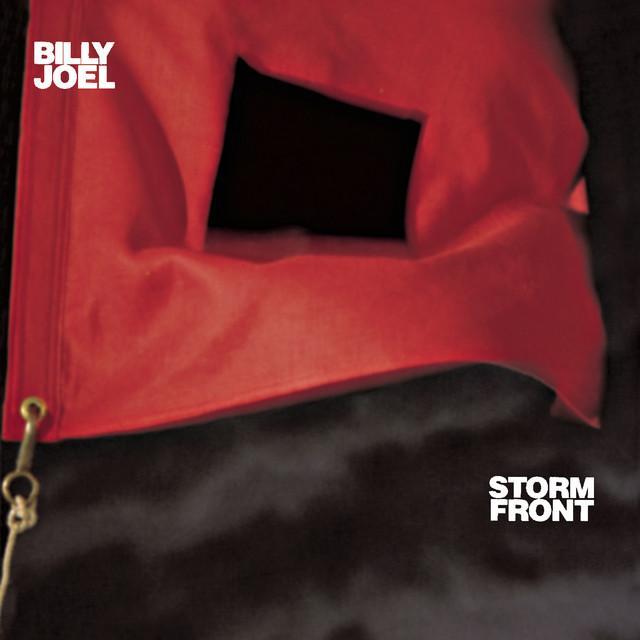
Released as a single in September 1989 and later included on Storm Front, the song became a No. 1 hit in the United States and was nominated for Record of the Year, according to major chart and release data summarized by reliable reference sources. It also remains one of Joel's most discussed songs because its concept is stronger than its melody—a point Joel himself later admitted when he joked that the tune sounded like a "dentist drill." That self-criticism matters, but it does not weaken the song's message. If anything, it shows the real engine here was the lyric concept.
A History Lesson Disguised as Pop
Billy Joel reportedly got the idea after a younger person complained that it was a terrible time to be young. Joel's response was to think back on his own lifetime and the crises that filled it. That spark explains why the song starts in 1949, the year Joel was born, and moves forward in near-chronological order through 1989.
Instead of telling one story, the verses stack references like news flashes. They jump from Truman to Monroe, from Korea to Disneyland, from Einstein to punk rock. This method creates a feeling of overload. That is intentional. History does not arrive in neat themes. It hits all at once.
Interpretation: the song argues against generational self-pity. Every age feels unstable when people are living through it. Joel's list says that chaos is not new.

Watch the official We Didn't Start the Fire
music video
What the Chorus Really Means
The chorus gives the song its thesis. When Joel sings we didn't start the fire
, he is not denying responsibility for action. He is denying sole blame for the world's problems. The next idea, always burning
, widens the frame beyond one decade or one age group.
That is why the final emotional move matters so much. The song does not stop at innocence. It also says tried to fight it
. In plain terms, people inherit crises, but they still have a duty to respond. The chorus is defensive, but not lazy.
We didn't start the fire
It was always burning
Since the world's been turning
Those lines are the song's entire worldview in miniature: history is ongoing, blame is shared across time, and struggle is permanent.
Why the Random Mix Is the Point
One reason listeners sometimes find the song confusing is that it places horrifying events next to entertainment, sports, and consumer culture. A political purge may sit beside a movie title; a war may sit beside a baseball star. That can feel strange at first.
But this mix is central to the meaning of We Didn't Start the Fire. Real life is not sorted into moral categories when it reaches the public. News cycles blend tragedy, glamour, invention, and distraction. By placing Marilyn Monroe
near global conflict or Woodstock
near Watergate, Joel captures the way public memory actually works: messy, crowded, and uneven.
Interpretation: the song is not saying these events matter equally. It is showing that they competed for attention in the same cultural bloodstream.
How the Sound Supports the Message
Musically, the song is built for speed and pressure. It sits in a pop-rock frame, driven by hard drums, clipped phrasing, steady bass, and a nearly mechanical forward push. That arrangement mirrors the lyric design. There is almost no time to reflect before the next reference arrives.
Joel recorded the track with producer Mick Jones, and the performance leans into precision more than warmth. The beat keeps charging ahead while Joel fires off names with tight articulation. The effect is less like storytelling around a piano and more like flipping through forty years of television, newspapers, and radio at once.
Even Joel's later complaint about the melody helps explain why the song worked. A smoother or more emotional tune might have softened the concept. Here, the slightly rigid musical design makes the list feel relentless. That relentlessness is the message.
Why It Lasted Beyond 1989
The song endured because people keep finding new eras in it. Teachers have used it as a timeline tool. Pop culture has parodied and updated it. Fall Out Boy even released a modernized version in 2023, which sparked debate over whether the original's chronological structure was part of its genius.
That afterlife says a lot. Even listeners who dislike the song's musical style remember its framework. It offers a compact theory of modern life: too many events, too fast, with each generation trying to make sense of the fallout.
The ending pushes that idea further. When Joel reaches I can't take it anymore
, the line sounds less like one private breakdown and more like collective fatigue. By then, the list has become a wall of noise. And that is exactly how historical pressure can feel.
The Lasting Takeaway From Joel's Burning World
So, what is the meaning of We Didn't Start the Fire Billy Joel? It is a song about inherited chaos, shared responsibility, and the false idea that one generation alone ruins the world. Joel turns postwar history into a compressed memory test to show that turmoil is constant, even when its names and faces change.
That is why the song still connects. It reminds listeners that history feels overwhelming in every era, but people still have to live inside it, answer it, and try to improve it.
Disclaimer: This interpretation separates documented facts about the song's release and reception from critical reading of its lyrics and themes. Meaning can vary by listener.








