Why Billy Joel Made Chaos Sound Charming
The meaning of You May Be Right Billy Joel comes down to a bold idea: the song turns instability into attraction. Instead of denying reckless behavior, the narrator leans into it and suggests that a little danger may be exactly what the other person wants.
"You May Be Right" - Billy Joel
Saturday, I said I'm sorry
Sunday came and trashed me out again
Loading lyrics...
Unable to load lyrics
We're unable to display the lyrics at this time. Please try again later.
That tension is why the song still hits. It is funny, cocky, messy, and a little self-aware at the same time.
A Love Song Built on Bad Decisions
On the surface, the story is simple. The narrator describes a string of impulsive acts, then brushes them off as part of having a good time. Early lines set that tone with scenes of crashing a party, apologizing later, and spiraling through the weekend.
The key is that they never really beg for forgiveness. Even when they seem to admit fault, they quickly pivot into charm, as if recklessness is part of their appeal. That is why phrases like I may be crazy
and you may be right
matter so much. They sound like surrender, but they are also a dare.
Interpretation: the song is not really about proving sanity. It is about selling intensity as honesty.

Watch the official You May Be Right
music video
The Narrator’s Pitch to the Other Person
The verses show someone speaking to a wary partner who already knows they are trouble. The narrator admits to risky behavior, including going out alone and ignoring warnings, but presents survival itself as proof of a strange kind of fitness.
That is where the song gets clever. Instead of saying, "I will change," they more or less say, "This is what I am." The emotional sales pitch comes through in short phrases like take me as I am
and madness for a while
. They frame chaos not as a flaw to fix, but as an experience to try.
In plain terms, the narrator thinks the other person is drawn to excitement even if they claim otherwise.
How the Chorus Turns Accusation Into Chemistry
The chorus is one of Billy Joel's smartest hooks because it flips judgment into compatibility. If the narrator really is unstable, then maybe that is precisely why the relationship works.
A short multi-line section shows that twist best:
You may be right
I may be crazy
Don't try to save me
Before and after those lines, the song makes the same point in different ways: rescue is not wanted, correction is not coming, and the connection may depend on that refusal. By saying Don't try to save me
, the narrator rejects being treated like a problem.
Interpretation: the chorus suggests both people may be complicit. One acts wild; the other may secretly want that wildness around.
The Images of Risk, Isolation, and Performance
Several images deepen the song beyond simple bravado. The references to rough neighborhoods, riding in the rain, and making it home alive create a mini-myth around the narrator. They want to be seen as someone who tests limits and comes back laughing.
There is also a strong sense of performance here. The narrator tells stories in a way that sounds designed to impress, entertain, and unsettle. Even the comic image of cheering someone up with dark humor makes them seem like a self-styled outsider.
That mix of danger and showmanship is central to the meaning of You May Be Right Billy Joel. The song presents craziness not as medical truth, but as a romantic persona.
Why the Sound Matters as Much as the Words
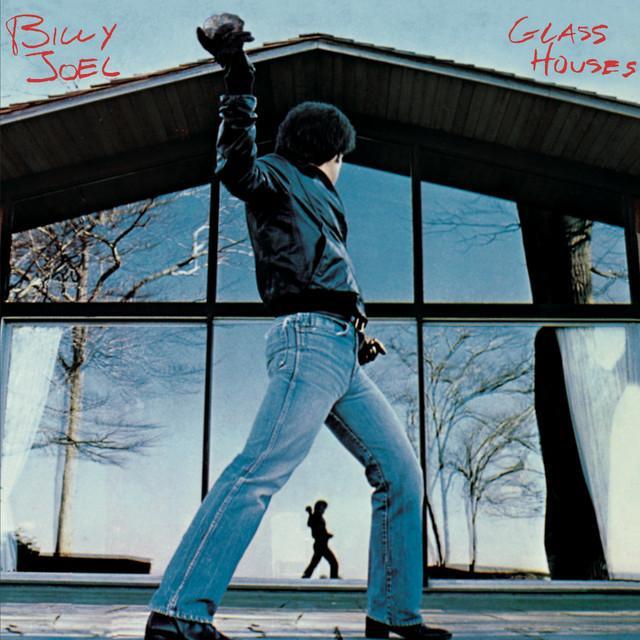
The song's meaning gets stronger because of how it sounds. It opens Glass Houses with the famous sound of shattering glass, a production choice tied directly to the album concept. According to American Songwriter, Joel wanted to "throw a rock" at the mellow image people had of him. The album was his move toward a harder rock sound built for bigger stages.
That context matters. Wikipedia lists the song as the opener to Glass Houses, released March 7, 1980, written by Billy Joel and produced by Phil Ramone. The track features a driving band sound with guitars, drums, piano, and a standout sax solo by Richie Cannata.
That arrangement feels fast, loud, and slightly unruly. It does not merely describe recklessness; it performs it.
Billy Joel’s Career Pivot Lives Inside the Song
This track also works as a statement about Billy Joel himself in 1980. After major success with more polished, piano-centered records, he leaned harder into rock on Glass Houses. Songfacts notes that the song reached No. 7 on the Billboard Hot 100, proving the shift connected with listeners.
That makes the narrator's defiance feel mirrored by Joel's artistic defiance. The song says, in effect: call this crazy if they want, but this new energy is staying.
Final Take on the Song’s Real Point
At its core, "You May Be Right" is about mutual attraction wrapped in argument. One person complains about chaos, while the other insists that chaos is part of the chemistry. The song stays compelling because it never fully settles whether the narrator is confessing, flirting, or manipulating.
That ambiguity is the fun of it. They may be a disaster, but they know how to make disaster sound exciting.
Interpretation disclaimer: Song meaning is not exact science. This reading is based on the lyrics, the recording context, and documented comments about Glass Houses*, but listeners may hear different emotional shades in the song.*








