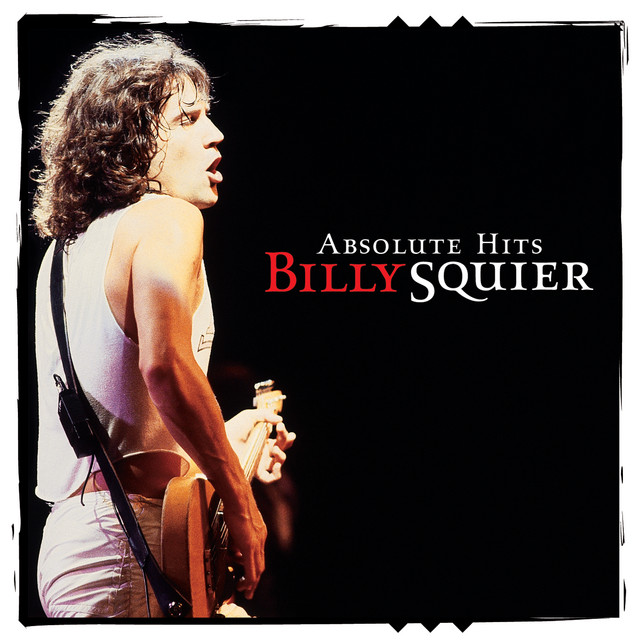
Why 'Everybody Wants You' Still Bites
The meaning of Everybody Wants You Billy Squier comes down to a sharp idea: attention looks glamorous until it starts to own the person receiving it. Billy Squier turns a catchy rock hook into a warning about desire, status, and burnout. On the surface, the song feels slick and confident. Underneath, it sounds much sadder.
"Everybody Wants You" - Billy Squier
Strung on pretension, they fall for you at first sight
You know their business, you think it's a bore
Loading lyrics...
Unable to load lyrics
We're unable to display the lyrics at this time. Please try again later.
Released in 1982 as the second single from Emotions in Motion, the track was written by Billy Squier and produced by Reinhold Mack. It became a major rock-radio hit, spending six weeks at No. 1 on Billboard's Mainstream Rock chart and reaching the Hot 100 as well, according to available chart summaries and release data from reliable discography sources.
A Hook About Desire That Turns Dark
At first, the title sounds like a compliment. Being wanted by everyone seems like power. But the verses steadily show the downside. The central character moves through nightlife, admiration, and social heat, yet nothing feels stable or nourishing.
Squier frames this person as someone chased by people who fall fast and lose interest just as fast. In one of the song's key ideas, they are surrounded by attention every night, but the repetition makes it feel mechanical rather than romantic. Short lines like every night
and for fun
suggest a routine they can no longer control.
Interpretation: The song is not celebrating popularity. It is exposing how constant desire can make a person into an image instead of a self.
Watch the official Everybody Wants You
music video
Who the Song Seems to Be Addressing
The narrator speaks directly to a "you," which makes the song feel both intimate and critical. They seem to know this person well enough to see behind the public image. That matters, because the lyrics do not describe a fantasy from far away. They sound more like an intervention.
The person in the song appears restless, always moving, always performing. A phrase like on top of the scene
captures that public success. But Squier quickly undercuts it by showing how that success depends on surface appeal, image management, and other people's hunger.
From Spotlight to Emptiness
The song unfolds in clear stages:
- The rush of attraction. People notice this person instantly and project glamour onto them.
- The culture of performance. They stay visible, flirt, and keep the machine running.
- The emotional cost. Admiration becomes exhaustion and self-loss.
- The lonely aftermath. What looked like freedom ends in isolation.
That last turn is the most important. By the final verse, Squier moves from nightlife to damage control: mirrors, seams, and patched surfaces. The image is no longer about confidence. It is about upkeep. Even success has become a kind of repair job.
The Chorus Is a Warning, Not a Trophy
The repeated title phrase, Everybody wants you
, works because it changes meaning as the song goes on. Early in the track, it can sound triumphant. Later, it feels accusatory and heavy.
There is also a brutal chain in the bridge-like section where the crowd's need becomes exploitation:
Everybody needs you, leads you, bleeds you
That is the emotional core of the song. Desire here is not generous. It takes. The line suggests manipulation, dependency, and even parasitic fame. The person everyone wants is not protected by that attention; they are consumed by it.
Images of Vanity, Media, and Decay
Several motifs deepen the song's message.
The mirror and the mask
When the lyric shifts to the mirror, the song points to self-surveillance. This character is no longer just being watched by others. They are watching themselves, trying to hold together a marketable face.
Magazine culture
The reference to selling image like a magazine cover ties desire to media packaging. In plain terms, the song suggests that public appeal can be manufactured, sold, and reviewed. That makes the person feel less human and more like a product.
Time slipping away
By the end, the song hints that the glamorous life eats time. Days blur, hours disappear, and what once looked exciting starts to feel trapped. That is why the loneliness in the closing images lands so hard.
Why the Sound Matters So Much
Part of what makes the meaning of Everybody Wants You Billy Squier hit so well is the production. Contemporary summaries often describe the track as driven by a tough, rhythmic guitar riff with a polished early-'80s edge. That balance matters.
The guitars push with swagger, giving the song a strut that fits the world it describes. But the cleaner, sleek production keeps it from sounding loose or wild. Instead, it feels controlled, stylish, and a little cold. That mirrors the lyrics perfectly: a thrilling exterior hiding emotional wear.
Squier was one of the defining rock-radio voices of the era, and this song sits right between hard rock muscle and new-wave gloss. That crossover helped it dominate mainstream rock radio in 1982 while also sounding modern enough for MTV-era visibility.
A Bigger Reading Beyond One Character
Interpretation: The song can be heard in at least two ways.
First, it works as a portrait of a specific social figure: someone beautiful, magnetic, and trapped in the club-and-media circuit.
Second, it can be read more broadly as a song about fame itself. In that version, the "you" is any public figure whose value depends on keeping other people interested. The final mood is not envy. It is pity.
That wider reading helps explain why the song has lasted. It still speaks to influencer culture, celebrity branding, and the pressure to stay visible at all times.
Why It Endures
"Everybody Wants You" remains one of Billy Squier's best-known songs because it delivers two pleasures at once: a huge, singable hook and a surprisingly bitter insight. It sounds like a victory lap, but it acts more like a caution sign.
In simple terms, the song argues that being desired by everyone may be the fastest route to losing privacy, peace, and identity. That tension is what gives it bite more than forty years later.
Disclaimer: This interpretation is based on the song's lyrics, performance, and release context. As with most songs, listeners may reasonably hear different meanings in it.








