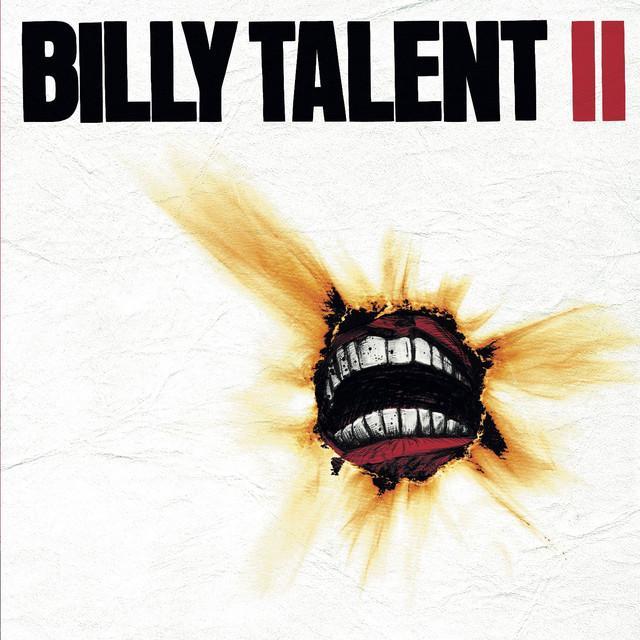
Why 'Red Flag' by Billy Talent Still Hits
The meaning of Red Flag Billy Talent comes through fast: this is a protest song about youth, anger, and the urge to reject broken systems. Released as the second single from Billy Talent II in 2006, the track became one of the Canadian band’s signature songs and was produced by Gavin Brown. It sits in the punk rock and post-hardcore lane, which fits its restless energy and confrontational tone.
"Red Flag" - Billy Talent
The red flag waving never meant the same
The kids of tomorrow don't need today
Loading lyrics...
Unable to load lyrics
We're unable to display the lyrics at this time. Please try again later.
Even without a detailed story, the song feels vivid. They build its message through commands, warnings, and crowd-ready repetition. The result is less a personal confession and more a public call to action.
A Protest Anthem Aimed at Inherited Failure
At its core, the song argues that younger people are being forced to live with damage they did not create. The repeated line about the sins of yesterday
points to old mistakes that still shape the present. That idea gives the song its moral center: adults in power have passed down a wounded world, then expect obedience from those who inherit it.
Another key phrase, cast off the crutch
, sounds like a demand to stop leaning on false comfort. In context, that “crutch” could mean denial, complacency, or any system that dulls pain without fixing the cause. Interpretation: the song is not just angry at authority; it is also impatient with passivity.
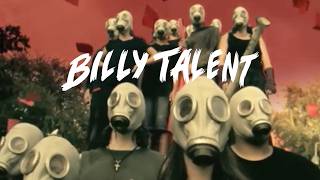
Watch the official Red Flag
music video
Why the Chorus Feels So Urgent
The title image matters because a red flag can mean danger, revolt, or political symbolism. In the hook, the band says the red flag waving
no longer means what people assume it means. That twist suggests symbols get emptied out, reused, or misunderstood over time.
Interpretation: Billy Talent may be saying that rebellion itself has changed. The flag is still raised, but now it belongs to a generation reacting to modern disappointment rather than repeating old slogans.
The chorus is simple, but that simplicity is the point. It sounds like a chant meant for a crowd, turning frustration into unity.
The Song’s Youth Message, Line by Line
One of the clearest ideas appears in the focus on the kids of tomorrow
. The lyrics frame young people as the last credible hope because adults have normalized destructive behavior. That does not make the song naive. In fact, it sounds skeptical, even hard-edged, about how change happens.
A later section sharpens this view with images of small forces beating bigger ones. The song compares a bee’s sting and a pawn defeating a king, suggesting that size and rank do not guarantee power. Their point is straightforward: organized, determined people can disrupt established control.
That leads into one of the song’s strongest instructions:
Build a ladder if there's a wall
Don't be afraid to slip and fall
Those lines turn the song from complaint into advice. Instead of waiting for permission, they urge action, risk, and self-expression. The next thought makes the warning plain: speak now, or someone else will define the story for you.
How the Music Carries the Message
The arrangement is a big reason the track endures. According to the song’s release information, “Red Flag” runs just 3:16 and was issued on September 11, 2006 as the second single from Billy Talent II; it was produced by Gavin Brown and recorded by the lineup of Ben Kowalewicz, Ian D'Sa, Jon Gallant, and Aaron Solowoniuk (Wikipedia).
That short runtime helps. The band does not linger. The guitars cut in with a tight, jagged attack, the drums keep everything pushing forward, and the gang-style repetition makes the hook feel communal rather than private.
Ben Kowalewicz’s vocal delivery adds another layer. He sounds less like someone narrating a scene and more like someone trying to wake up a room. In punk and post-hardcore, urgency often matters as much as melody, and this song uses that tradition well.
The Video Pushes the Meaning Further
The music video, directed by Floria Sigismondi, makes the youth-revolt reading even clearer. As summarized in the song’s release history, it shows schoolchildren breaking free, spreading red flags across symbols of authority and wealth, and turning public space into a site of rebellion (Wikipedia).
That visual choice matters because it removes any doubt about the song’s generational angle. The revolution is not abstract. It is led by children and teenagers, which matches the lyric idea that change will come from those who refuse to inherit old rules quietly.
Lasting Impact and Final Reading
The song’s reach also helps explain its legacy. It appeared in several EA games in demo form and later on the TMNT soundtrack, and it has earned major certifications in Canada and Germany (Wikipedia). That kind of crossover gave a protest song broad exposure without softening its edge.
So, what is the meaning of Red Flag Billy Talent in the end? Most likely, it is about refusing numbness, distrusting empty symbols, and believing that youth can challenge a damaged status quo. Interpretation: it is less about one political platform than about the moment when frustration becomes action.
That is why it still lands. It gives listeners a message that is both blunt and adaptable: they do not have to accept the world exactly as they received it.
Disclaimer: This interpretation is based on the lyrics, the song’s official release context, and the public music video. As with many rock songs, some meanings remain open to listener interpretation.








