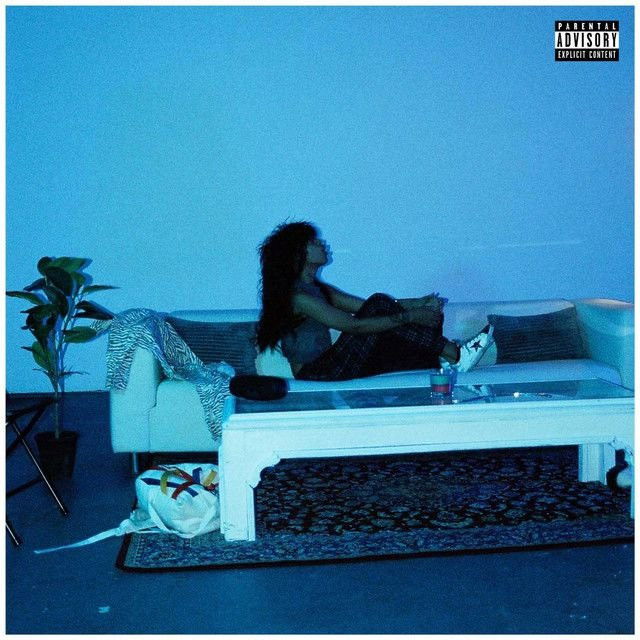
What 'SANTANNY' by Bktherula Really Means
Bktherula’s “SANTANNY” is not a story song in the usual sense. It works more like a flex-heavy persona record, where the mood matters as much as the details. For listeners searching for the meaning of SANTANNY Bktherula, the key is to hear it as a performance of control: control over image, money, sex, danger, and emotional distance.
"SANTANNY" - Bktherula
Rah, rah
It's Rula Santanny, huh
Loading lyrics...
Unable to load lyrics
We're unable to display the lyrics at this time. Please try again later.
The track was written by Brooklyn Rodriguez and Julian Lovings, according to the song credits provided in the release information. That matters because “SANTANNY” feels tightly built around repetition, short bursts of threat, and a chant-like identity statement. It is less about confession and more about turning a name into a character.
The Core Idea Hiding Inside the Chaos
At its center, “SANTANNY” is about self-creation through attitude. Bktherula presents a version of themself that is hard, desirable, armed, and unimpressed. The song keeps returning to status markers and warning signs, suggesting that fame and success have not made life safer or softer. If anything, they have made trust harder.
The opening self-introduction frames the whole track. When the song says It’s Rula Santanny
, it sounds like a rename, almost an alter ego. That phrase does not just identify the speaker; it brands them. Interpretation: “Santanny” feels like a larger-than-life mask, one built for intimidation and mystique.
Watch the official SANTANNY
music video
A Persona Built on Power and Distance
Much of the song is about dominance, but not in a calm or secure way. The speaker mixes sexual command, money talk, and gun imagery in quick succession. That stacking effect makes the world of the song feel unstable. Pleasure, wealth, and danger all sit in the same place.
One of the shortest but most important images is Glocker in the fanny
. Paraphrased, the line suggests being armed at all times, even in a casual accessory. The meaning is not subtle: vulnerability is unacceptable here. Whether listeners take it literally or as rap exaggeration, the point is the same. They want to project readiness.
That same pattern shows up in money boasts like I got racks and then some
. Again, the line is simple, but it helps explain the song’s psychology. Cash is not only luxury; it is proof. In this track, wealth becomes armor, evidence that they have risen above people who doubted them.
Why Distrust Is the Song’s Real Emotional Center
For all its bravado, the most revealing part of “SANTANNY” is the repeated complaint about fake people. The song turns away from sex and status long enough to focus on betrayal, and that shift gives the record its emotional center.
The key phrase is I can’t trust no gnat
. Calling people “gnats” shrinks them into pests—annoying, always present, never worthy of respect. It is an insult, but it also reveals exhaustion. The speaker does not sound heartbroken. They sound fed up.
There is one short passage where the song makes this feeling especially clear:
Thought you said you had my back
Every time I turn my back
It’s another ... gnat
Paraphrased, the idea is simple: people promise loyalty, then show disloyalty the moment the speaker looks away. That is a common rap theme, but here it lands harder because of how obsessively the line repeats afterward. The repetition makes distrust feel less like one bad experience and more like a worldview.
Sound First, Meaning Second
Part of the meaning of SANTANNY Bktherula comes from its sound design. Even without a detailed production credit list in the provided context, the track clearly leans on minimal, hard-edged trap elements: a forceful low end, clipped rhythmic phrases, and repeated ad-libs like rah, rah
. Those choices turn the song into a kind of march.
The beat does not ask for deep melody or narrative progression. Instead, it gives Bktherula space to hammer the same ideas until they feel absolute. Their delivery is blunt and percussive, which supports the song’s themes of defense and intimidation. They often sound less like they are telling a story than issuing declarations.
This is why the repeated hook works. In a more emotional or melodic song, repetition can suggest vulnerability or longing. Here, repetition feels territorial. It is a way of claiming space and forcing the listener to accept the character on their own terms.
Gender, Shock Value, and Control
“SANTANNY” also uses blunt sexual language and insults as part of its power play. Those lines are meant to shock, but they also reinforce the speaker’s refusal to get emotionally attached. Other people in the song are often reduced to functions: admirers, traitors, distractions, or threats.
Interpretation: That does not necessarily mean the song endorses every attitude it expresses in a literal way. In rap, exaggerated cruelty or indifference often helps construct a persona. Bktherula’s performance here seems designed to make softness look impossible, even if that hardness is partly theatrical.
The Strongest Reading of the Song
The best way to read “SANTANNY” is as a compact anthem of self-protection. Under the boasts, the song suggests a person who expects envy, dishonesty, and intrusion. Money, sex, fashion, and weapons all become parts of one message: nobody gets close without risk.
That is why the song can sound both triumphant and tense. It celebrates power, but it never sounds relaxed enough to enjoy it. The flexing is real, yet so is the paranoia.
Final Take on 'SANTANNY'
So what is the meaning of SANTANNY Bktherula? It is the sound of an artist turning distrust into identity and identity into spectacle. The song is less about plot than presence, less about feelings admitted than feelings armored over.
For many listeners, that is exactly the appeal. “SANTANNY” captures the thrill of being untouchable while quietly hinting at why someone would want to be untouchable in the first place.
Disclaimer: This interpretation is based on the lyrics provided and publicly available credit information. As with any song, meaning can vary by listener unless the artist has explicitly confirmed a single intent.








