What "Boys 'Round Here'" Is Really Selling
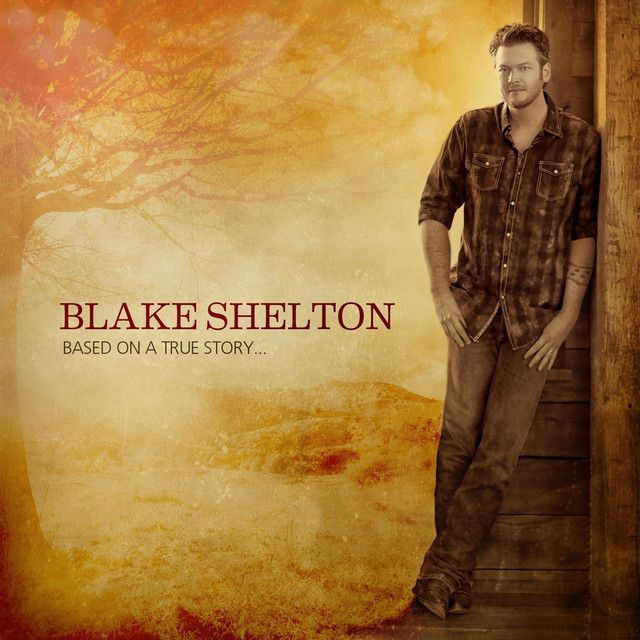
The meaning of Boys 'Round Here' Blake Shelton, Pistol Annies starts with a simple idea: this is a country identity anthem. Released in 2013 on Based on a True Story..., the song was credited to Blake Shelton with Pistol Annies and Friends, and it quickly became one of his biggest hits, reaching No. 1 on Country Airplay and No. 12 on the Hot 100, according to chart summaries from major reference sources.
"Boys 'Round Here'" - Blake Shelton, Pistol Annies
Well, the boys 'round here don't listen to The Beatles
Run ol' Bocephus through a jukebox needle
Loading lyrics...
Unable to load lyrics
We're unable to display the lyrics at this time. Please try again later.
More than anything, the track sells a feeling of place. It paints a loud, funny, sometimes exaggerated picture of rural Southern life. That picture includes work, trucks, prayer, flirtation, and habits that mark the speakers as proudly local.
A Portrait of Country Belonging
At its core, the song is about group identity. The repeated phrase the boys 'round here
turns the chorus into a roll call. Instead of focusing on one person, the song describes a whole community and the values they think define them.
Those values are easy to spot. The men work outdoors, drive back roads, drink beer, and carry themselves with rough pride. The song also adds religion with the man upstairs
, which suggests that faith is part of this lifestyle, not separate from it.
Interpretation: The track is not trying to tell a complicated story. It is creating a brand of authenticity. The point is to say: these people know who they are, and they do not need outside approval.
Watch the official Boys 'Round Here'
music video
Why the Stereotypes Matter
The song uses broad, familiar country images on purpose. It mentions trucks, dirt roads, boots, and tobacco, then stacks them so fast that the effect feels almost comic. That is part of why some critics praised it as fun while others attacked it as shallow.
The line about not listening to The Beatles
works as a cultural shortcut. It is not really an argument against the band. It is a way of saying these characters see themselves as outside urban or cosmopolitan taste. Research on the writing session says the line came after Dallas Davidson noticed Beatles imagery in Craig Wiseman's office, which helped launch the song's concept.
Interpretation: This is a performance of identity more than a documentary. The song acts like a checklist of rural markers because it wants listeners to recognize the type instantly.
The Chorus Turns Habits Into Pride
The chorus is where the song's message becomes clearest. It strings together everyday behavior—beer, talk, roads, prayer—and turns it into a code of honor. Even the comic chant chew tobacco... spit
is less about the act itself than about signaling a rough, unapologetic persona.
That is why the hook feels so sticky. It takes ordinary routines and frames them as proof of being “real.” In this song, authenticity is not quiet or private. It is loud, repeated, and meant to be shared.
Talkin' 'bout girls, talkin' 'bout trucks
Runnin' them red dirt roads
Those lines reduce the lifestyle to a few quick symbols, which is exactly why they are memorable.
How the Women Change the Song's Energy
Pistol Annies matter because they widen the scene. Without them, the track could feel like a one-note speech. Their responses and harmonies turn it into a party record, with flirtation built into the structure.
The song's women are described through male desire, especially in lines about whistles and Southern sweetness. That has been one major point of criticism. Some listeners hear harmless fun; others hear a dated, male-centered view of women.
Interpretation: The female voices soften that tension a little by making the record feel communal, but they do not fully change the fact that the song imagines women mostly as part of the boys' world.
Why It Sounds Half Country, Half Hip-Hop
Part of the song's appeal comes from its rhythm. The verses are delivered in a spoken, swaggering style over a steady groove, which gave many reviewers the sense of a country song borrowing hip-hop energy. Blake Shelton himself framed it more like a Jerry Reed-style talk-singing approach than modern rap.
Production is crucial here. Reports on the recording say producer Scott Hendricks and the team kept pieces of the original demo, especially Craig Wiseman's acoustic guitar, and built the track around that sound. That mix of acoustic twang and beat-driven delivery helps explain why the song felt fresh to fans in 2013.
The chant of red, red, redneck
also matters. It sounds chopped, playful, and slightly absurd. That self-aware silliness keeps the song from sounding fully tough. It knows it is showing off.
Why the Song Divided People
Commercially, the song was huge. Critically, it split opinion. Supporters called it catchy, funny, and built for summer sing-alongs. Detractors called it crude, stereotyped, or even assembled from rural buzzwords.
That divide makes sense because the song asks a listener to accept its exaggeration. If they hear affection and humor, the record works. If they hear only cliché, it can feel empty.
Final Take on the Meaning
The meaning of Boys 'Round Here' Blake Shelton, Pistol Annies is not hidden. It is a proud, playful statement about rural identity, told through stereotypes that are meant to feel familiar, catchy, and communal. Its real subject is belonging: who counts as local, who shares the code, and who gets invited along for the ride.
That is also why the song lasted. It is not subtle, but it is very clear about the world it wants to celebrate.
Disclaimer: This interpretation blends documented facts about the song's writing, production, and reception with critical reading of its lyrics and themes. Meaning can vary by listener.









