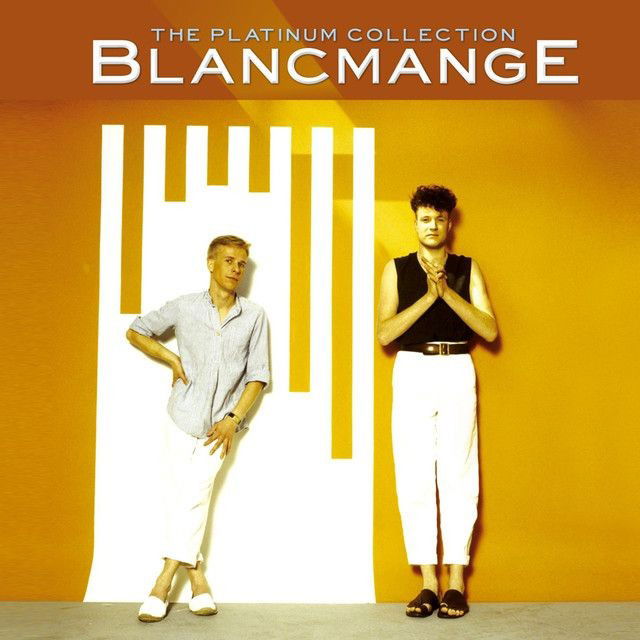
Why 'Don't Tell Me' by Blancmange Still Stings
The meaning of Don't Tell Me Blancmange comes down to a simple but painful tension: one person wants love, access, and mercy, while also refusing the other person's version of the truth. That push and pull gives the song its energy.
"Don't Tell Me" - Blancmange
I'll say you let me be your friend
I'll say you'll let me in the end
Loading lyrics...
Unable to load lyrics
We're unable to display the lyrics at this time. Please try again later.
Released in 1984 as the third single from Mange Tout, the track became one of Blancmange's biggest UK hits, reaching No. 8 on the UK Singles Chart. It was written by Neil Arthur and Stephen Luscombe and produced by Peter Collins. Critic notes from the time and later retrospectives often pointed to its catchy synth-pop hook and its distinctive Eastern-flavored textures, including sitar and tabla in the arrangement. Those facts are widely documented in standard discography sources.
A Love Plea Hiding Inside a Protest
At its core, the song sounds like a relationship on the edge. The speaker promises loyalty and friendship, but those promises feel less secure than they first appear. When they insist on being let in or being kept close, it sounds like someone trying to hold onto a bond that is already slipping away.
That is why the emotional center of the song is not really confidence. It is fear. The voice keeps asking for connection, but every request carries panic under it. A line like be your friend
does not feel casual here. It feels like the smallest form of love the speaker thinks they might still be able to save.
Interpretation: They may be lowering the stakes on purpose. By calling it friendship, they could be hiding a deeper need for romance, forgiveness, or simple emotional survival.

Watch the official Don't Tell Me
music video
The Chorus Turns Defensiveness Into Drama
The chorus is where the song sharpens. Instead of calmly explaining what went wrong, the speaker rejects labels and accusations. The repeated don't tell me
sounds like both a command and a plea.
The other striking phrases make that resistance feel huge and theatrical. When the song mentions the howling wind
and the wounded star
, it turns relationship conflict into symbolic language. These are not ordinary descriptions. They sound like roles in a private emotional myth, where one person is chaos and the other is injury.
That matters because the chorus is not just saying, “Do not criticize me.” It is saying, “Do not trap me inside your story about who I am.” The final fear is the idea of having gone too far
. Beneath the denial, the speaker may already suspect the damage is real.
A Quick Story of Distance and Regret
The verses sketch a small but vivid scene. Someone leaves a room. The speaker did not fully hear it happen, or did not emotionally register it until too late. Then comes the request to return and bring relief.
This is one reason the song feels so immediate. It is not built around a complex plot. It is built around a moment of loss and the mental spiral that follows it.
The emotional timeline in the lyrics
- The speaker offers loyalty and closeness.
- They start doubting the rules of the relationship.
- They describe emotional overreach through extreme images.
- The other person seems to leave.
- The speaker swings between blame, denial, and longing.
That last stage is summed up by can't get a grip on you
. The phrase suggests more than romantic frustration. It points to a total inability to understand or stabilize the relationship.
Why the Mountain and Moon Matter
One of the song's best features is how it makes inner turmoil feel physical. The climbing, jumping, burning, and cosmic imagery suggest the speaker keeps reaching beyond normal limits. They try to master the situation, but each leap leads to more confusion.
When the song describes reaching upward and then losing control, it captures the feeling of emotional ambition turning into emotional collapse. They wanted certainty, transcendence, maybe even perfect union. Instead, they get overload.
Interpretation: The mountain and moon images may represent idealized love. The speaker chases something grand, only to find that fantasy cannot survive real human conflict.
The Sound Makes the Anxiety Catchier
Musically, this is one of the reasons Blancmange stood out. The song is clearly synth-pop, but it does not sit inside a purely electronic mood. Reports on the recording note contributions from Deepak Khazanchi on sitar and Pandit Dinesh on tabla and madal, which add a bright, agile texture around the keyboards and beat. That mix gives the song a nervous bounce rather than a heavy gloom.
This contrast matters. The arrangement feels energetic, even upbeat, while the lyric content is unsettled. Contemporary reviews called it bouncy and engaging, and later writers praised its catchy chorus. That mismatch between sound and feeling is part of the song's sting: listeners can move to it even as the words describe emotional disarray.
More Than One Meaning Fits
There is room for more than one reading of the meaning of Don't Tell Me Blancmange.
- Interpretation 1: It is a breakup song about pleading for one last chance.
- Interpretation 2: It is about refusing emotional labels after a fight.
- Interpretation 3: It shows someone unraveling under mixed signals, unable to tell whether they are guilty, abandoned, or both.
All three readings work because the song never fully settles the argument. That ambiguity keeps it alive.
Why the Song Still Connects
What makes “Don't Tell Me” memorable is how accurately it captures a common emotional state: wanting closeness while rejecting painful truth. The speaker is needy, defensive, romantic, and overwhelmed at the same time. That contradiction feels human.
Blancmange gave that feeling a sleek 1980s frame, but the core emotion is timeless. People still recognize themselves in songs where love becomes a fight over identity, blame, and who gets to define what happened.
Disclaimer: This article offers interpretation based on the lyrics, recording context, and documented release history. As with many pop songs, listeners may hear different meanings in the same words.








