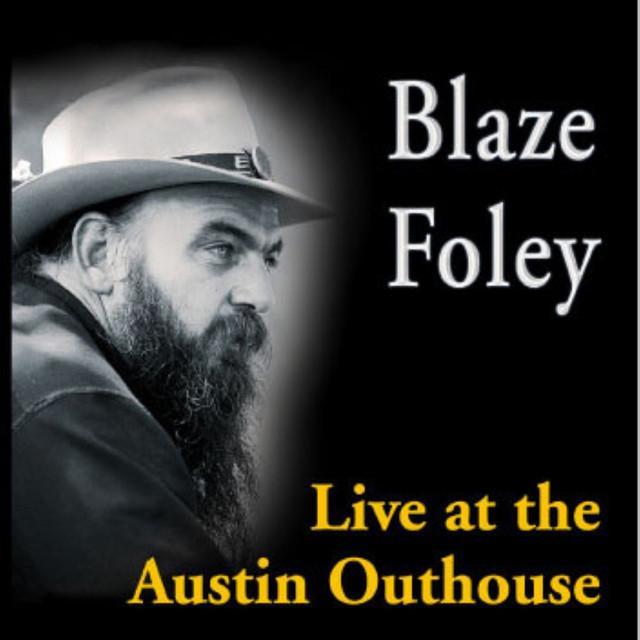
Clay Pigeons by Blaze Foley
Why This Song Feels So Restless
The meaning of Clay Pigeons Blaze Foley starts with motion. The song follows a narrator who wants to leave town, ride a bus, and keep moving until the hurt changes shape. On the surface, it sounds simple: a person goes to a station, gets on a bus, and tries to reset their life. Under that plain story is a deeper struggle with loneliness, shame, and the wish to begin again.
"Clay Pigeons" - Blaze Foley
Gonna get a ticket to ride
Gonna find that lady with two or three kids
Loading lyrics...
Unable to load lyrics
We're unable to display the lyrics at this time. Please try again later.
Blaze Foley wrote songs that often felt direct, but they carried emotional weight. “Clay Pigeons,” written by Michael David Fuller, fits that world perfectly. Its plainspoken language makes the pain feel real. There is no dramatic speech. Instead, the song uses travel, night, and small routines to show a person trying to survive a hard inner season.
Watch the official Clay Pigeons
music video
A Bus Ride as an Emotional Escape
The opening image is concrete and vivid: Greyhound station
. That detail matters because a bus is not glamorous. It suggests low-cost travel, uncertainty, and the lives of ordinary people. The narrator is not chasing adventure so much as trying to get away from a state of mind.
When they plan to sit beside a mother with children, the song hints at a craving for human closeness without asking for intimacy directly. They want to be near life, near family, near something steady. Even while trying to hide pain, they still look for comfort in public spaces.
That feeling becomes clearer with hide my sorrow
. The song is not about a dramatic breakup scene or a single event explained in detail. It is about carrying private hurt into everyday places and trying not to let strangers see it.
The Real Conflict: Starting Over or Staying Lost
Running in Circles
A key line of thought in the song is that the narrator already knows some of the answers. They are, in their own way, tired of searching. That gives the song a mature sadness. The problem is not ignorance. The problem is living with what they already understand.
This is why the wish to start over again
feels both hopeful and weary. Starting over sounds brave, but in this song it also sounds familiar. The narrator has likely done this before. They can leave, move, and reinvent themselves, but there is no guarantee the pain stays behind.
Alone, but Not Defeated
Another strong idea is learning how to live with solitude. The narrator imagines a life where they can go out, stay out, and not answer to anyone. That sounds free at first. Yet the line about getting used to being alone turns that freedom into something bittersweet.
Interpretation: the song may be about emotional recovery after loss, but it may also be about a larger cycle of drifting through life. Either way, being alone is presented as both a wound and a skill.
What “Clay Pigeons” Likely Means
The title image is the song’s most interesting symbol. Clay pigeons are targets launched into the air to be shot. They are fragile objects made to be broken. In the song, the image appears in a strange, memorable phrase: Feed the pigeons some clay
.
Because the wording is unusual, it opens the door to interpretation. Interpretation: one reading is that the narrator is trying to reverse destruction. Instead of shooting clay pigeons, they “feed” pigeons clay, almost as if they are remaking what has been shattered. That fits the song’s larger desire to rebuild the self.
Another reading is darker. The phrase may suggest futility: giving the wrong thing to the wrong creature, doing something that cannot truly heal anything. That would match the song’s tension between hope and exhaustion.
Feed the pigeons some clay
Turn the night into day
Start talkin' again
In that brief sequence, the song moves from brokenness to transformation to speech. The narrator wants repair, light, and the return of connection. They want to know what to say because language itself has become hard.
How the Sound Deepens the Meaning
Musically, “Clay Pigeons” supports its message through restraint. The arrangement is rooted in country and folk, with an unhurried pace and a homespun feel rather than polished drama. That matters because the song is about endurance, not spectacle.
Acoustic textures and a relaxed vocal delivery make the narrator sound like someone thinking out loud. The melody does not push too hard. It drifts, which mirrors the bus ride and the emotional wandering in the lyrics.
This kind of sparse writing is part of Blaze Foley’s lasting reputation. As noted by the Texas State History Museum, Foley became known as a respected Texas songwriter whose work carried raw honesty. His legacy has also been sustained through the documentary Blaze Foley: Duct Tape Messiah, which helped introduce his story to newer listeners. Even though Fuller wrote “Clay Pigeons,” Foley’s performance and musical world shaped how many people understand it.
Why Listeners Keep Coming Back
Part of the song’s power is that it never forces a single explanation. It can sound like a breakup song, a road song, a depression song, or a recovery song. It works in all those ways because it stays close to ordinary actions: riding, smoking, sitting, singing, leaving, returning.
The phrase change the shape that I'm in
captures the heart of it. The narrator does not dream of becoming a totally new person. They just want their current pain to take a different form, one they can carry.
That is why the song lasts. It understands that healing is rarely clean. People often do not solve their lives in one grand moment. They travel, wait, sing, and keep going until they can speak again.
Final Take on the Song’s Message
The meaning of Clay Pigeons Blaze Foley is about trying to live through sadness without losing the ability to hope. Its traveler is lonely, but not fully broken. They keep moving because motion offers the small chance of renewal.
In that sense, “Clay Pigeons” is not just about escape. It is about gathering enough strength to rejoin life, however imperfectly. Interpretation disclaimer: this reading draws on the lyrics, performance, and known artist context, but song meaning always leaves room for personal interpretation.







