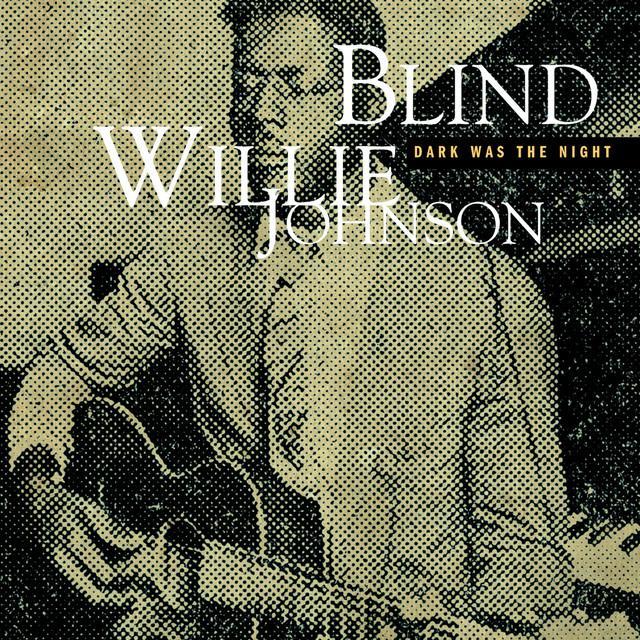
Why Blind Willie Johnson Faced Death Without Fear
The meaning of Jesus Make Up My Dying Bed Blind Willie Johnson starts with a hard truth: this is a song about dying. But it is not mainly a song about fear. It is about surrender, faith, and the hope that death is not the end.
"Jesus Make Up My Dying Bed" - Blind Willie Johnson
I don't want nobody to moan
All I want my friends to do
Loading lyrics...
Unable to load lyrics
We're unable to display the lyrics at this time. Please try again later.
Blind Willie Johnson recorded this song in Dallas on December 3, 1927, and it was released in 1928 as his debut single. It became one of his most successful early records. That matters, because the performance already shows what made Johnson so powerful: they turned spiritual belief into something that sounds urgent, physical, and deeply human.
A Deathbed Song That Refuses Panic
At the center of the song is a speaker preparing for death. They do not ask for grief, drama, or public sorrow. Instead, they ask for calm and for Jesus to be present at the final moment.
When the song mentions time of dying
, it frames death as a real event that must be faced directly. Then the refrain about Jesus making up the dying bed turns that moment into something almost tender. A deathbed usually suggests weakness and loss, but here it becomes a place prepared by Christ.
Interpretation: the song treats death less as defeat and more as a passage being arranged by divine care. That is why the repeated line feels comforting rather than bleak.
Watch the official Jesus Make Up My Dying Bed
music video
The Core Message Hides in the Refrain
The chorus is simple, but its meaning is rich. The image of Jesus preparing the bed suggests care, order, and welcome. It likely echoes biblical language linked to God sustaining someone in sickness, a connection often noted in discussions of the song’s roots.
This is why the refrain lands so hard. The speaker is not saying they will escape death. They are saying they will not face it alone.
Jesus gonna make up my dying bed
That short line carries the whole song. It turns the scene from a private fear into a sacred meeting.
Images of Crossing Over
The verses build this idea with strong spiritual images. One of the clearest is the move toward the river and the Promised Land. In gospel and spiritual traditions, those images often point to death, deliverance, and entry into peace.
When the singer says down to the river
and later points toward the Promised Land
, the song is not describing travel in a literal way. It is using old religious symbols to show the soul moving from earthly struggle to heavenly rest.
Another striking phrase is trouble's over
. That line matters because it shifts the mood. The speaker is not just nearing death; they believe suffering has an endpoint. Death, in this song, is where pain loses its power.
Faith Is Shown as Relationship, Not Theory
One reason the song still feels intimate is that its faith is personal. The speaker does not talk about religion as an abstract system. They describe closeness with Jesus, almost like a constant companion through life and into death.
That is why the line about being acquainted with Jesus is so important. It suggests ongoing relationship, not last-minute rescue. The final comfort comes from trust already built over time.
A later verse uses the unusual image ring up my Jesus
. In plain terms, the idea is that the speaker has direct access to divine help. It is a vivid, everyday way of expressing prayer and spiritual connection.
Interpretation: this makes the song feel grounded. Even with its heavenly focus, it speaks in language drawn from lived experience, which keeps its message close to ordinary listeners.
How the Sound Deepens the Meaning
Johnson’s performance is a huge part of the song’s meaning. According to the historical record around the song, they sang over slide guitar in an open tuning, creating a moaning, crying sound that fits the subject perfectly. The guitar does not simply accompany the words. It seems to answer them.
The rhythm is steady, but the tone is raw. Johnson’s voice sounds strained in a purposeful way, as if they are pushing belief through pain. That mix of roughness and conviction is why the song does not come off as sentimental.
In the larger story of Blind Willie Johnson, this approach is central to their art. They blended gospel with blues feeling, and that blend is exactly what gives this recording its power. The sorrow sounds real, but so does the faith.
Why This Song Matters in American Music
The song also stands at an important crossroads in music history. It belongs to a longer tradition of spiritual and gospel material that circulated before and around Johnson’s recording. The song later traveled into folk, blues, and rock through versions connected to Bob Dylan and Led Zeppelin.
Still, Johnson’s version remains distinct because it sounds less like adaptation and more like witness. Their recording is only a little over three minutes long, but it feels expansive because every repeated cry adds emotional weight.
Its early success also shows that audiences responded to this message. Reports tied to the original release note strong pressing numbers for a debut gospel-blues record, which suggests the song spoke widely during its time.
A Simple Song With a Huge Spiritual Reach
So, what is the meaning of Jesus Make Up My Dying Bed Blind Willie Johnson? At its heart, it is a song about meeting death with faith instead of terror. It says the end of life can be faced with dignity because Jesus is imagined as present, preparing the way.
Interpretation: the song’s lasting power comes from its balance of realism and hope. It does not deny suffering, but it refuses to let suffering have the final word.
For many listeners, that is why the song still hits so deeply. It turns the most frightening human moment into a scene of care, reunion, and peace.
Disclaimer: This interpretation is based on the lyrics, recording context, and gospel tradition around the song. As with all art, listeners may hear additional meanings.








