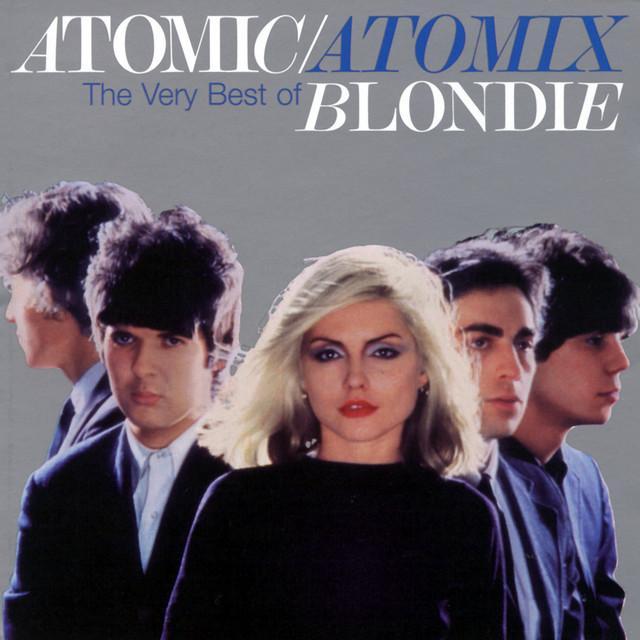
Call Me by Blondie Meaning: Desire at Full Speed
The meaning of Call Me Blondie comes down to a simple idea with a sharp edge: this is a song about desire that feels thrilling, immediate, and slightly dangerous. On the surface, it sounds like an open invitation to romance. Under that surface, it also suggests performance, fantasy, and the fast pace of modern attraction.
"Call Me" - Blondie
Color me your car
Color me your color, darling
Loading lyrics...
Unable to load lyrics
We're unable to display the lyrics at this time. Please try again later.
Blondie released “Call Me” in 1980 for the film American Gigolo, and it was written by Deborah Harry and Giorgio Moroder. That context matters because the movie deals in glamour, money, and seduction, and the song carries those same themes into pop form. Its success was huge, becoming one of Blondie’s biggest hits and a defining single of the era.
A Hook Built on Urgency
The song’s central message is direct. The repeated invitation in call me
is not shy, uncertain, or complicated. It turns romance into action. There is no waiting around, no long emotional speech, just a bold request for connection right now.
That simplicity is part of why the song works. The speaker sounds confident, but not fully vulnerable. They offer access at any, anytime
, which suggests excitement and freedom. At the same time, that promise can feel so open that it starts to sound like a role being played.
Interpretation: Many listeners hear the song as both sexy and strategic. The speaker is available, but they are also controlling the frame. They decide the terms of contact, and that makes the song feel empowered rather than passive.

Watch the official Call Me
music video
Glamour, Color, and Performed Identity
The opening lines use color as a symbol for identity and attraction. When the song says color me your color
, it suggests becoming what another person wants to see. That image is playful, but it also hints that love here is about projection.
The same goes for the references to style and luxury. The song mentions a color chart
and later moves into images of designer sheets and polished romance. These details make the relationship feel fashionable and cinematic, not domestic or grounded.
Interpretation: One strong reading is that the song is about desire in a world of surfaces. The speaker is not just offering affection. They are offering fantasy, image, and mood. Love becomes something styled, worn, and displayed.
What the Verses Suggest Beneath the Flirtation
The verses keep adding layers to the invitation. There are kisses, wine, rides, and nights that stretch into some overtime
. All of that points to a relationship driven by appetite and immediacy.
But the lyrics also include hints that emotion is harder to explain. When the song says feelings arrive without a clear reason, it gives the track a little mystery. Passion may feel fun and glamorous, yet it also seems unstable.
That tension matters. The song does not present love as deep trust or lasting commitment. Instead, it presents attraction as a thrilling blur of attention, pleasure, and convenience. The phrase lover's alibi
is especially telling because it ties romance to excuse-making and disguise.
How the Chorus Changes the Story
Every time the chorus returns, it resets the song. No matter what images appear in the verses, the hook brings everything back to contact and availability. That is why the chorus feels so powerful: it strips the relationship down to desire and access.
In story terms, the song does not really move from one emotional stage to another. It circles the same longing from different angles. That loop mirrors the nightlife world around it, where excitement repeats, intensifies, and rarely settles.
A Quick Timeline of the Song’s Emotional Arc
- The speaker opens with attraction shaped by image and identity.
- The song shifts into physical intimacy and luxury.
- The chorus turns that chemistry into a standing invitation.
- The multilingual section expands the mood into something international and cosmopolitan.
- The ending doubles down on urgency rather than resolution.
Why the Sound Matters So Much
A big part of the meaning of Call Me Blondie comes from its production. Giorgio Moroder was already known for helping define electronic dance-pop and disco through his work with Donna Summer and others. His style often used a hard-driving pulse and sleek synthesizer textures, and “Call Me” channels that energy into something more aggressive and rock-inflected.
The result is a song that feels like motion. The beat pushes forward, the guitars add bite, and Debbie Harry’s vocal sits between cool control and bright excitement. They do not sound swept away by emotion. They sound in command of it.
That balance is key. If the lyrics alone suggest flirtation, the music turns it into momentum. The track feels like a city at night: fast, lit up, and full of possibility. It also feels a little impersonal, which strengthens the idea that this is attraction in a modern, stylized world.
A Few Alternate Readings
There is more than one fair way to hear the song.
Interpretation 1: It is a straightforward anthem of confident desire. In this reading, the speaker simply knows what they want and says it without shame.
Interpretation 2: It is about emotional role-play. The speaker offers to be whatever the other person needs, which can sound seductive but also unstable.
Interpretation 3: It reflects the themes of American Gigolo: glamour, transaction, and intimacy mixed together. That reading fits the song’s luxury details and its polished emotional distance.
Why “Call Me” Still Connects
The song lasts because it is both catchy and layered. People can dance to it, shout the chorus, and still sense that something more complicated is happening underneath. That mix of pleasure and cool distance gives it staying power.
In the end, the meaning of Call Me Blondie is not just “call me if you want me.” It is closer to this: desire can feel exciting, stylish, and empowering, but it can also turn people into fantasies for each other.
That tension is what keeps the song alive.
Disclaimer: This interpretation combines widely known context with close reading of the lyrics and sound. As with any song, meaning can vary from listener to listener.








