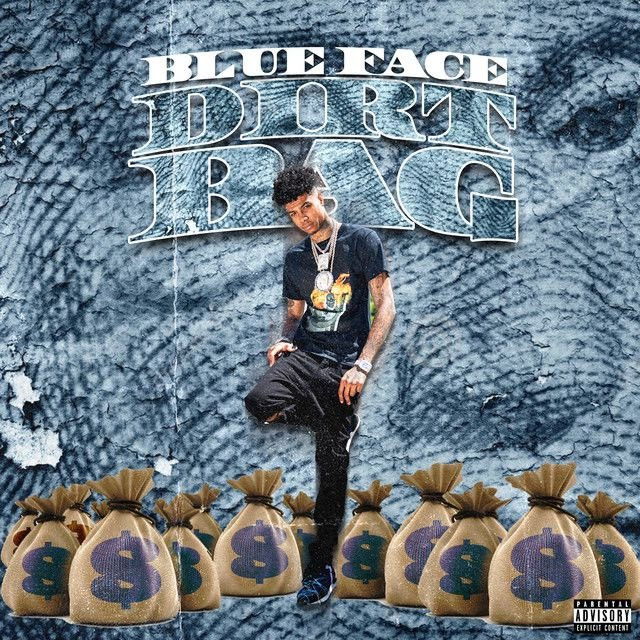
Why “Stop Cappin” Hits Like a Threat
The meaning of Stop Cappin Blueface, The Game centers on one idea: both rappers present themselves as real, active, and above anyone they see as fake. In rap slang, “cappin’” means lying, fronting, or exaggerating. This song turns that accusation into a warning.
"Stop Cappin" - Blueface ft. The Game
Blueface, baby
(Hvnnidband did that)
Loading lyrics...
Unable to load lyrics
We're unable to display the lyrics at this time. Please try again later.
Rather than telling a deep story with changing scenes, the track works like a confrontation. Blueface and The Game keep repeating that they are not pretending. They frame rivals as all talk, while they claim to live what others only post online. That makes the song less about argument and more about dominance.
The Hook Sets the Whole Mission
The chorus is simple, but it does most of the thematic work. When Blueface says Stop cappin’
and I’m really poppin’
, he links two ideas together: authenticity and success. In other words, he is not only calling other people fake; he is also using fame, money, and fear as proof that he is the real thing.
The next boast, doin’ the moppin’
, pushes the song into violent imagery. They use that phrase to suggest cleaning up enemies or handling problems directly. The repeated line about no witness, no ballistics
adds another layer of intimidation. It is less about narrative detail than about sounding untouchable.
Interpretation: the hook matters because it turns honesty into power. In this song’s world, being “real” means being able to back up threats, status, and reputation.
Watch the official Stop Cappin
music video
Blueface’s Verse Is About Reputation Control
Blueface’s verse mixes street threats with bragging about how far he has come. He moves from violent images to flexes about jewelry, independence, and standing out from the crowd. That jump is important because it shows how the song connects danger with success.
He suggests that he was once overlooked, but now he cannot be ignored. A line about having no dependent
presents self-reliance as part of his image. Then he points to expensive pieces and a signature style to prove he made it. For Blueface, popularity is not separate from menace. They are part of the same brand.
There is also a chaotic quality to his writing. The bars jump fast between jokes, threats, and punch lines. That loose, off-beat style became part of Blueface’s identity during his rise, especially after his breakout success covered by Billboard. In this track, that delivery makes him sound unpredictable, which fits the song’s warning-heavy tone.
The Game Raises the Stakes
When The Game enters, the song gets bigger and more theatrical. He keeps the same topic, but his verse sounds more veteran and more cinematic. He talks like someone who sees hate as the price of success, then answers that hate with force.
His section also expands the song’s Los Angeles setting. References to local culture, luxury cars, and neighborhood-coded bravado make the track feel rooted in West Coast rap tradition. The Game has long built his music around that identity, as seen across his artist profile. Here, he uses it to sound established, connected, and impossible to test.
Interpretation: if Blueface sounds impulsive, The Game sounds deliberate. Together, they create two versions of the same message: one wild and erratic, one seasoned and controlled.
More Than Violence, It’s Also About Performance
On the surface, “Stop Cappin” is packed with threats. But the song is also about performance. Rap beef, street credibility, and social media image all overlap here. They are not just talking to one enemy. They are talking to rivals, doubters, clout-chasers, and anyone watching.
That is why the title matters so much. To accuse someone of cappin’ is to expose them as fake in public. The song keeps returning to that insult because it attacks identity, not just behavior. In this frame, calling someone a liar is a way to strip away their status.
Stop the cappin’
I’m really poppin’
Those two short lines act like the song’s thesis. One line tears down the opponent; the other builds up the speaker. That balance of attack and self-promotion is the engine of the entire track.
How the Beat Carries the Meaning
The production supports the song’s blunt force. The beat is sparse, hard, and repetitive, giving the rappers lots of room to hammer the hook. Instead of emotional melody or layered storytelling, the instrumental creates pressure.
That matters for the meaning of Stop Cappin Blueface, The Game because the sound mirrors the lyrics. The heavy drums and cold space in the beat make each threat feel larger. The repetition is not subtle, but it is effective. It turns the track into a chant of credibility.
Blueface’s stop-start flow adds tension, while The Game’s fuller delivery gives the record weight. The contrast helps the song avoid feeling flat, even though both verses circle the same core point.
The Main Themes in Plain English
Three themes drive the song:
- Authenticity as power: They claim being real matters more than being liked.
- Status as proof: Fame, money, and attention become evidence that they are winning.
- Threat as language: Violence is used as a symbol of control, not just action.
That last point is important. Even when the lyrics are direct, the song’s larger goal is image-building. It wants listeners to believe these artists cannot be embarrassed, doubted, or challenged.
Final Take on the Song’s Meaning
So, what is the meaning of Stop Cappin Blueface, The Game? It is a hard-edged statement about realness, rank, and reputation. The song argues that in their world, the worst thing a person can be is fake, and the strongest thing a person can be is undeniable.
It is not subtle, reflective, or emotionally open. Instead, it uses repetition, threats, and swagger to create a wall of confidence. Interpretation: beneath all the aggression, the song is really about protecting identity in a culture where image is always under attack.
Disclaimer: This interpretation is based on the lyrics, performance, and available artist context. Meaning in music can vary from listener to listener.








