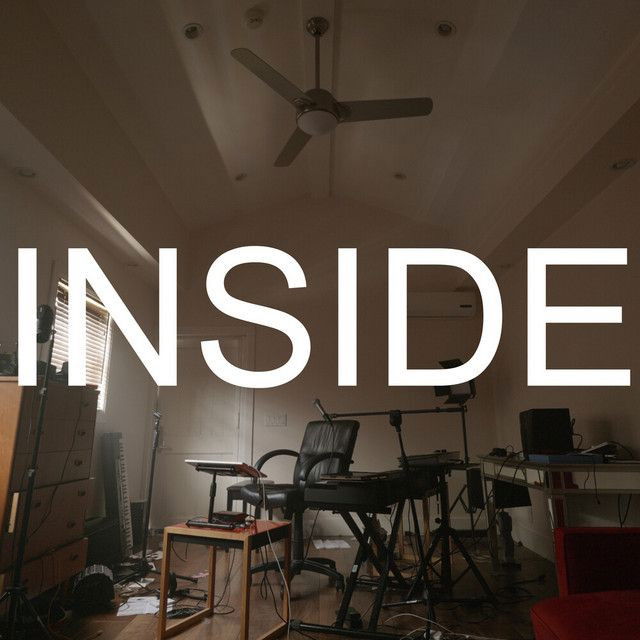
Comedy by Bo Burnham
Bo Burnham’s “Comedy” asks a sharp question: what can a comedian really do when the world feels broken?
"Comedy" - Bo Burnham
Provided by LyricFindThe world is changing
The planet's heating up
What the fuck is going on?Loading...Loading lyrics...
Unable to load lyrics
We're unable to display the lyrics at this time. Please try again later.
Why This Song Cuts Deeper Than a Joke
The meaning of Comedy Bo Burnham starts with a crisis of purpose. In the song, they present a performer staring at a world full of heat, conflict, inequality, and public pain. The central tension is simple: if everything feels urgent, does joking become useless, selfish, or even embarrassing?
That question matters because “Comedy” opens Inside, Burnham’s 2021 special created alone during the pandemic. The special was written, filmed, and edited by Burnham, and it was released by Netflix in 2021. The companion album followed the same year. Those facts shape the song’s meaning because it was made during a moment when many artists were asking what art could do in a damaged world.

Watch the official Comedy
music video
The Core Idea: Satire About Wanting to Help
On the surface, the song sounds like a comeback anthem. The singer decides they will save the world through jokes. But the track is clearly mocking that idea.
The key refrain, healing the world with comedy
, is intentionally too grand. Burnham turns a noble wish into a smug slogan. The point is not that comedy has no value. The point is that artists can overestimate their own importance, especially when the culture rewards them for speaking loudly.
Interpretation: The song is about moral vanity as much as moral fear. They want to help, but they also want attention, applause, and permission to keep performing.
A Narrator Trapped Between Guilt and Ego
Early in the song, the narrator sees social collapse everywhere and wonders, Is comedy over?
That line frames the whole piece. It is not just about jokes aging badly. It is about whether entertainment itself feels small when people are suffering.
Then the song turns inward. The narrator admits a real concern that comedy may not help, yet they cannot fully accept silence either. They briefly imagine stepping aside, even asking whether they should give away their money. But that thought is undercut almost immediately.
That quick reversal is crucial. It shows someone who can identify the ethical problem but still wants to remain the star of the story.
The Chorus Is the Joke—and the Warning
The song’s big hook keeps returning to healing the world with comedy
and making a literal difference, metaphorically
. That second phrase is especially important because it sounds smart while saying something nearly empty.
Burnham uses that contradiction to parody the language of public figures who speak in polished, uplifting slogans. The words promise action, but the phrase collapses under its own logic. That is exactly the point.
Interpretation: The chorus suggests that performance can become a substitute for real action. It feels righteous. It sounds inspiring. But it may only create the image of helping.
Race, Privilege, and the Song’s Sharpest Satire
One of the song’s boldest moves is how directly it talks about whiteness. The narrator asks whether the world really needs direction from a white guy like me
, then answers with comic self-awareness. Later, they call themselves a special kind of white guy
, which is funny because it exposes a familiar posture: the privileged person who believes self-awareness makes them exceptional.
The song does not present this as heroism. It presents it as a trap. The narrator knows white men have dominated public speech for centuries, yet they still search for a way to re-enter the center and feel useful.
That is why one of the funniest lines is also one of the bleakest: I’m white, and I’m here to save the day
. It sounds like a rescue line from a bad movie. Burnham uses that tone to mock savior behavior, liberal self-congratulation, and the way public morality can become another kind of branding.
When the Music Makes the Irony Louder
The production matters a lot. “Comedy” is bright, bouncy, and theatrical. It moves like a show tune, with polished piano, rising energy, and a deliberately cheerful structure. That upbeat sound clashes with the lyrics about social breakdown.
This contrast is one reason the song works so well. If Burnham had sung it as a sad ballad, the message would be too direct. Instead, the peppy arrangement makes the self-importance sound bigger, shinier, and more absurd.
The vocal performance also shifts meaning. They move from anxious questions to Broadway-style confidence, then back to panic. That swing mirrors the narrator’s unstable inner state: guilt, ambition, doubt, ego, then doubt again.
The Emergency Images Explain the Whole Song
Near the middle, Burnham piles on absurd disasters: smoke in a house, racist violence, even medical danger. Each time, the proposed answer is the same: tell a joke.
That is obviously ridiculous, and that is why it lands. Humor cannot put out a fire or stop extremists. It cannot replace structural change. By making the solution laughably weak, Burnham exposes the limits of performance itself.
Still, the song does not fully dismiss comedy. It shows why people want it. In frightening times, jokes can offer relief, connection, and a little space to breathe. The problem comes when relief is marketed as rescue.
Final Reading: What “Comedy” Really Means
The best way to understand the meaning of Comedy Bo Burnham is to see it as a self-own with real stakes. Burnham is satirizing entertainers who confuse expression with transformation. But they are also admitting a personal fear: if comedy cannot fix much, what is the artist supposed to do?
That tension is why the song still resonates. It is funny, but it never lets itself feel innocent. It knows art can comfort people. It also knows comfort is not the same as justice.
Disclaimer: This interpretation is based on the song, Burnham’s public work, and the context of Inside. Like all art, “Comedy” can support more than one reading.








