How Bob Dylan Turns Escape Into Vision
The meaning of Mr. Tambourine Man Bob Dylan often starts with one simple idea: someone feels worn down and asks music to carry them somewhere else. But the song lasts because it is not only about escape. It is also about art, imagination, and the strange moment when exhaustion turns into clarity.
"Mr. Tambourine Man" - Bob Dylan
I'm not sleepy and there is no place I'm going to
Hey, Mr. Tambourine man, play a song for me
Loading lyrics...
Unable to load lyrics
We're unable to display the lyrics at this time. Please try again later.
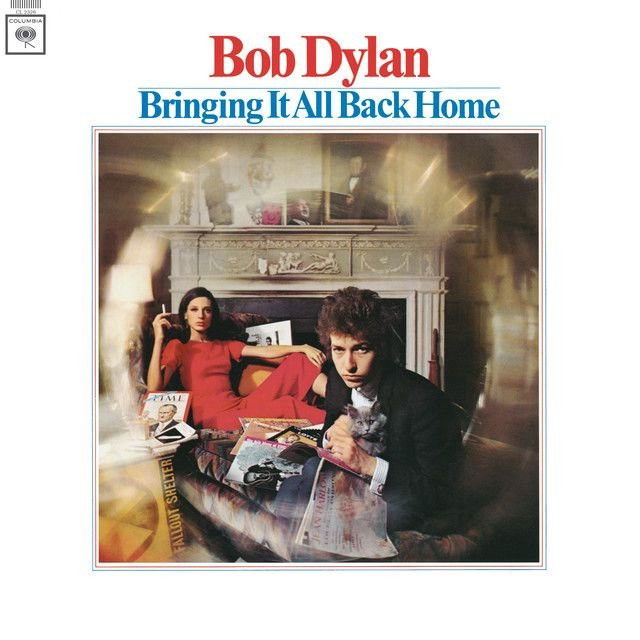
Written by Bob Dylan and released on Bringing It All Back Home in 1965, the song sits at a key point in his career, when he was moving from strict folk forms toward a more surreal style, as documented by the Bob Dylan official site and Britannica. That context matters. The song sounds like a doorway opening.
The Real Request Inside the Chorus
On the surface, the chorus is a plea to a musician: play a song for me
. But the deeper request is for release. The speaker is not asking for entertainment. They are asking to be lifted out of a numb, stalled state.
When the song says there is no place I’m going to
, it suggests more than idleness. It paints a person cut loose from schedule, purpose, and maybe even identity. They are awake, but not fully alive. That makes the tambourine man less like a performer and more like a guide.
Interpretation: many listeners hear this figure as a muse, a street musician, or music itself. The song never locks the symbol down, and that ambiguity is part of its power.

Watch the official Mr. Tambourine Man
music video
A Mind Trapped Between Night and Morning
The opening verse places the narrator in a drained mental space. Evening has collapsed, the street feels empty, and even dreaming seems unavailable. Dylan piles up images of fatigue and disconnection to show someone stranded inside their own mind.
This is why the phrase jingle jangle morning
matters. It sounds bright and playful, but it arrives after weariness and deadness. Morning here is not just a time of day. It is a hoped-for change in consciousness.
From paralysis to motion
The song then shifts from stillness to movement. The speaker wants a magic swirling ship
, wants to drift, vanish, and follow. That jump is crucial to the meaning of Mr. Tambourine Man Bob Dylan. Music becomes a vehicle. Rhythm becomes travel.
They are not asking to solve life’s problems directly. They are asking to leave the fixed world long enough to feel possibility again.
Symbols That Make the Song Feel Endless
Dylan fills the lyric with images that seem impossible to pin down: smoke rings, foggy ruins, haunted trees, a windy beach, a diamond sky. These symbols do not build a tidy story. They build a mental landscape.
Interpretation: that landscape can be heard in two main ways:
- as a dream world entered through music
- as a creative state where ordinary limits disappear
The line about smoke rings of my mind
is a good example. It suggests thoughts that curl, vanish, and reshape themselves. Memory is unstable. Time is blurred. Yet this is not only confusion. It is also freedom.
By the final verse, the song reaches one of its clearest wishes: to get far away from crazy sorrow
. That gives the surreal imagery an emotional anchor. Beneath all the motion and color is a person trying, at least for a while, to set down pain.
How the Sound Carries the Meaning
The recording on Bringing It All Back Home is relatively gentle, especially compared with some of Dylan’s more aggressive mid-1960s work. Its acoustic foundation, light percussion, and floating melody help create a drifting effect, noted in album documentation on AllMusic and Dylan’s official discography.
That matters because the arrangement does not trap the words in one mood. It moves like a loose current. Dylan’s vocal delivery sounds both tired and intent, which fits the lyric’s balance of weakness and desire.
The melody also stretches and circles rather than snapping into sharp, neat patterns. That musical shape mirrors the song’s theme: leaving the straight road for a more open, uncertain path.
Why People Debate What It “Really” Means
Few Dylan songs have inspired more argument. Some hear a spiritual quest. Some hear artistic surrender. Some hear the influence of 1960s drug culture. Dylan often pushed back against narrow, one-answer readings in interviews collected by outlets like Rolling Stone and archival sources.
A careful reading supports restraint. The song clearly uses altered, dreamlike imagery, but it never requires a single literal explanation. Its strongest evidence points to inner escape through song, rhythm, and imagination.
A useful way to read the tambourine man
The most convincing reading may be the simplest broad one: the tambourine man is whatever leads the speaker beyond emotional deadness. That could be music, inspiration, another person, or art itself.
Why the Song Still Connects
The reason the song survives is that its feelings are easy to recognize even when its images stay mysterious. Many people know what it is like to feel mentally exhausted, directionless, and hungry for something that can pull them forward.
That is why the song’s final movement feels so powerful. It does not promise a permanent cure. It offers a temporary release, a dance under a wider sky, and the hope of forgetting today until tomorrow.
For listeners still searching for the meaning of Mr. Tambourine Man Bob Dylan, that may be the best answer: it is a song about asking art to lead them out of heaviness and into motion.
Disclaimer: This interpretation blends documented context with informed reading. Because Dylan writes in symbols and open images, reasonable listeners may hear the song differently.








