Why 'My Prerogative' Still Hits Hard
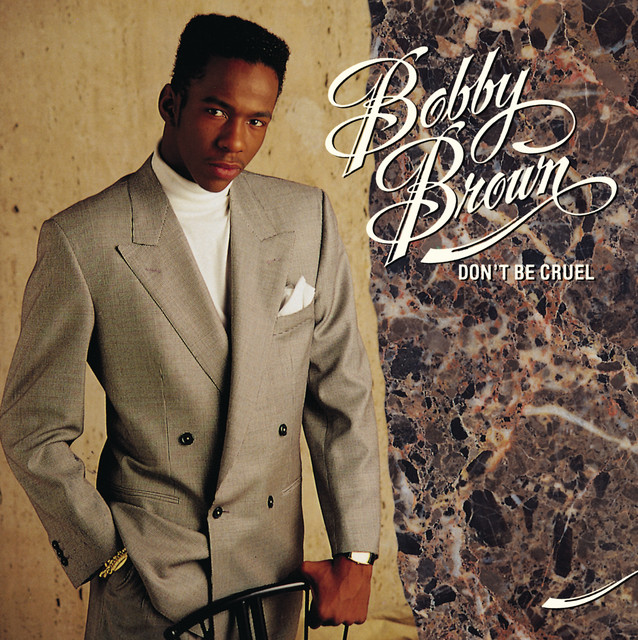
The meaning of My Prerogative Bobby Brown starts with one big idea: they refuse to let other people's opinions define them. Released in 1988 as a single from Don't Be Cruel, the song became Bobby Brown's signature statement of independence and a landmark of new jack swing, reaching No. 1 on the Billboard Hot 100 in January 1989.
"My Prerogative" - Bobby Brown
Everybody's talkin' all this stuff about me (now, now)
Why don't they just let me live (oh, oh, oh)
Loading lyrics...
Unable to load lyrics
We're unable to display the lyrics at this time. Please try again later.
Brown later explained that people had been saying many things about him and his solo career, and the song was his way of telling listeners that every person has the right to make their own choices. That context matters because the record does not sound shy or wounded. It sounds like a public stand.
The Real Message Behind the Swagger
At its core, the song answers gossip with self-rule. The opening complaint about everybody's talkin'
sets up a world where the narrator is always being watched and judged. Instead of arguing every charge, they draw a line and say, in effect, that they do not need approval to live.
That is why the title phrase matters so much. When Brown repeats that's my prerogative
, he turns a personal complaint into a slogan. It is not only about fame. It is also about everyday freedom: who gets to decide how a person should act, love, spend, and change.
Interpretation: The song's power comes from how broad it is. Even though it grew out of Brown's own controversy, it speaks to anyone tired of being told who they should be.

Watch the official My Prerogative
music video
Where the Defiance Came From
The song makes more sense when placed in Brown's career story. After leaving New Edition, he faced intense public talk about his behavior, ambition, and personal life. According to widely cited background on the single, Brown saw the track as a response to that criticism and a way to say that people should do what they want, as long as it is right.
That history gives the verses their tension. Lines about being called wild or misunderstood are not random boasts. They reflect a young star trying to take control of a narrative that tabloids, fans, and insiders were already shaping for him.
Not Just Rebellion for Rebellion's Sake
The song is often remembered as pure bad-boy attitude, but there is a second layer. Brown also pushes back against the idea that confidence automatically equals arrogance. When they deny the image of being consumed by ego, the song suggests that self-definition is not the same as selfishness.
That makes the record more interesting than a simple taunt. It is rebellious, yes, but it is also defensive. They sound like someone insisting on basic dignity under a spotlight.
How the Chorus Turns Complaint Into Anthem
The chorus is simple on purpose. The phrase I don't need permission
strips the issue down to its core: control. Then make my own decisions
completes the thought. Together, those short statements explain why the song connected so widely.
Instead of offering a detailed autobiography, Brown uses repetition like a hammer. Every return to the hook makes the point feel less negotiable. The song does not ask for understanding first. It claims independence first.
Why don't they just let me liveI don't need permissionMake my own decisions
That brief section captures the entire emotional argument. The narrator feels crowded by public judgment, then answers that pressure with a demand for space.
The Sound of New Jack Swing Freedom
A huge part of the meaning of My Prerogative Bobby Brown comes from its production. The song was written by Bobby Brown, Teddy Riley, Gene Griffin, Aaron Hall, and Timmy Gatling, and produced by Teddy Riley and Markell Riley. Musically, it is one of the clearest examples of new jack swing: R&B vocals riding hip-hop-influenced drums, synths, and a hard, dance-ready pulse.
That sound matters because the track does not just tell listeners about defiance; it performs defiance. The drums hit with force, the bassline feels almost confrontational, and the vocal delivery sounds clipped, proud, and energized. Critics have often described the groove as aggressive, and that aggression supports the lyric's refusal to apologize.
Why the Music Feels So Confrontational
The record opens like an entrance, not a confession. Everything in the arrangement pushes outward. There is no soft, reflective frame around the words. Instead, the beat gives Brown a stage to challenge judgment in real time.
Interpretation: If the lyrics alone say, “leave me alone,” the production says it louder. The music transforms private irritation into public authority.
Why the Song Endured
The single was a major hit, topping the Hot 100 and helping cement Brown as a solo superstar. It is still remembered as one of the defining songs of the Don't Be Cruel era and one of the clearest snapshots of late-1980s R&B's shift toward harder, more streetwise textures.
Its staying power comes from that blend of biography and universality. On one level, Brown is answering rumors about Bobby Brown. On another, they are voicing a basic human need: the right to make mistakes, grow up, and resist constant judgment.
Final Take on Its Meaning
So what is the song really saying? The meaning of My Prerogative Bobby Brown is that self-determination matters more than public approval. Brown turns criticism into a declaration of freedom, using a sharp hook and forceful production to say that identity cannot be voted on by a crowd.
That reading is strongest when the song is heard in context: a young star under pressure, a new sound reshaping R&B, and a chorus built to outlast the gossip around it.
Interpretation disclaimer: Song meaning can be subjective. This article blends documented background with informed interpretation of the lyrics, performance, and production.








