Lights Out, Words Gone by Bombay Bicycle Club
The meaning of Lights Out, Words Gone Bombay Bicycle Club comes from a striking contrast: the song sounds bright, smooth, and almost weightless, yet its words hint at heartbreak, distrust, and emotional fog. That tension is what makes it stick. Bombay Bicycle Club turn a messy relationship moment into something that feels both intimate and dreamlike.
"Lights Out, Words Gone" - Bombay Bicycle Club
My heart is breaking like you heard
But the town has always turned
Loading lyrics...
Unable to load lyrics
We're unable to display the lyrics at this time. Please try again later.
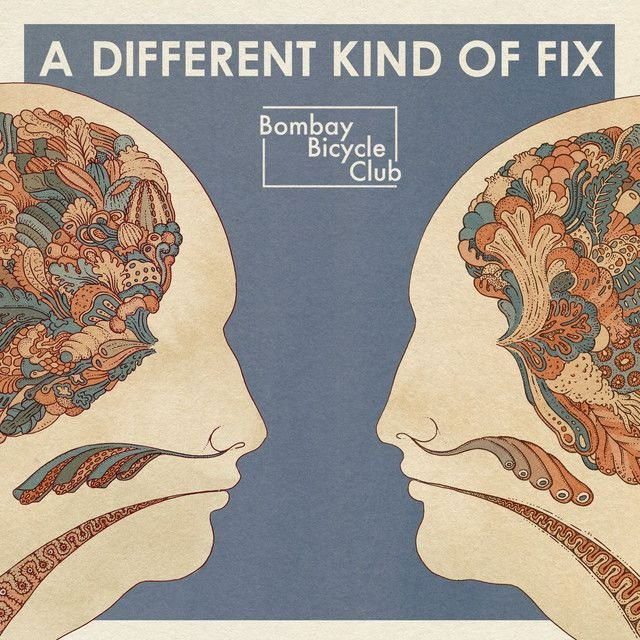
Released as the second single from A Different Kind of Fix in 2011, the track was written by Jack Steadman and features guest vocals from Lucy Rose. It came out in the UK on October 14, 2011, and later reached No. 89 on the UK Singles Chart. Those factual details are widely listed in reference sources about the single and album history.
A breakup song that refuses to speak plainly
On the surface, the song circles around pain after words have lost value. The opening image of old and wasted words
suggests promises, excuses, or arguments that no longer mean anything. Right away, the narrator sounds tired of language itself.
That matters because the song is not built like a clear story with beginning, middle, and end. Instead, it works through fragments: a breaking heart, a town that keeps turning, lies that burn, and another person being taken out for the night. The result feels like memory during emotional shock.
Interpretation: they appear to be describing the moment after betrayal, when facts blur together and only the emotional truth remains. The song is less interested in who did what than in how it feels when trust collapses.

Watch the official Lights Out, Words Gone
music video
Who is speaking in the song?
Even though the lyrics use direct address, the emotional voice is best understood as a wounded observer. They seem to be talking to someone who has hurt them, but also to themselves, trying to make sense of what happened.
The line built around my heart is breaking
is the clearest signal. It grounds the song in personal pain. But the next images widen that pain into something social and public, as if rumors, lies, or judgment are spreading beyond the relationship.
That is where the phrase about the town turning becomes useful. The world keeps moving while the speaker is stuck inside a private collapse. It is a familiar feeling: heartbreak can seem huge to one person while life goes on for everyone else.
The song's central tension: silence versus touch
The chorus is the key to the meaning. When the song reaches the light is out
and words have gone
, it imagines a point where logic, explanation, and even confession are no longer enough.
When the light is out
and words have gone
let me be the one
to try it on
Paraphrased, the idea seems to be: if clear speech has failed, let closeness, instinct, or vulnerability take over. The phrase to try it on
is especially ambiguous. It could mean trying on a role, a feeling, a relationship, or even a new self after emotional damage.
Interpretation: this is the song's emotional gamble. Instead of asking for answers, the speaker asks for a chance to step into the unknown with the other person.
Images of decay, danger, and jealousy
The song's darker imagery deepens that reading. The mention of leeches bite
gives the track a physical, uneasy sensation. Leeches drain. They cling. In context, that image may represent toxic thoughts, emotional parasites, or the way betrayal slowly pulls strength from someone.
Then comes the image of that boy
being taken out tonight. This is one of the few concrete details in the lyric, and it introduces jealousy or rivalry. Suddenly, the song is not just about inner pain. It is also about watching desire move elsewhere.
Interpretation: they may be seeing someone they love give attention to another person, and that sight sharpens the song's mix of longing and resentment. The boy is called brave, which may be sincere, bitter, or both.
Why the music feels warmer than the lyrics
Part of what makes the meaning of Lights Out, Words Gone Bombay Bicycle Club so compelling is its sound. Bombay Bicycle Club were moving deeper into a more rhythm-led, electronic, and polished style on A Different Kind of Fix. This song floats on a soft groove rather than a sharp rock edge.
That production choice matters. The beat keeps things moving, the guitars shimmer, and Lucy Rose's backing vocal adds air and tenderness. Her contribution is documented in release information for the single. Instead of making the heartbreak feel heavy, the arrangement makes it feel suspended.
This creates a useful contrast:
- the lyrics suggest distrust and emotional damage
- the groove suggests motion and escape
- the layered vocals suggest intimacy that is still possible
In other words, the sound does not erase the pain. It makes the pain feel seductive, distant, and hard to pin down.
A song built on ambiguity, not confession
One reason listeners keep returning to the track is that it never explains itself too neatly. There is no direct resolution, no final accusation, and no clear moral lesson. That openness lets the song work in different ways.
One reading is romantic: it is about trying to reconnect after lies and hurt. Another is more psychological: it is about identity breaking down when language fails. A third reading sees it as a nightlife song, where darkness lowers defenses and people act on impulse rather than reason.
All three fit because the writing stays suggestive instead of literal. Jack Steadman's lyric gives just enough detail to create tension, then lets the music carry the rest.
Why the song still resonates
The lasting appeal of "Lights Out, Words Gone" comes from how accurately it captures a common emotional state: the point where talking no longer solves anything. They frame heartbreak not as a dramatic explosion, but as a hazy aftershock full of images, doubt, and desire.
That is why the song feels both cool and vulnerable. It dances, but it also aches. And in that gap between rhythm and ruin, Bombay Bicycle Club found one of their most intriguing songs.
Disclaimer: This interpretation is based on the lyrics, recording context, and listener response. Like many Bombay Bicycle Club songs, it remains open to more than one meaning.








