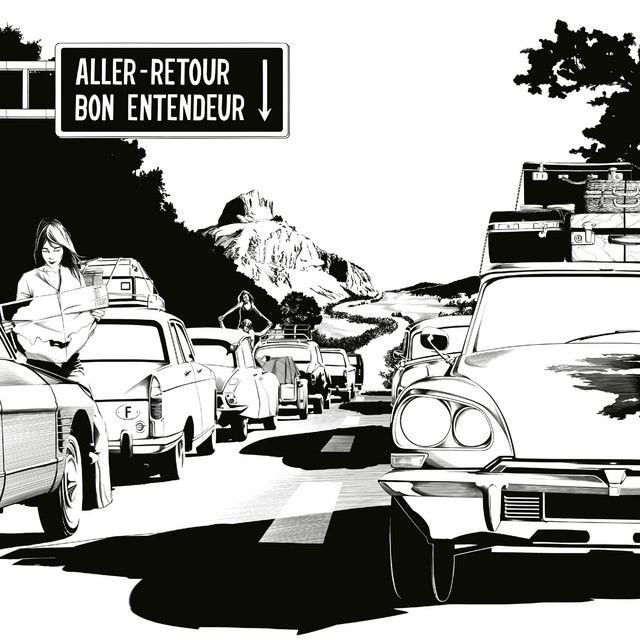
Why 'Le temps est bon' Feels Like Pure Escape
The meaning of Le temps est bon Bon Entendeur, Isabelle Pierre starts with a very simple idea: happiness can feel effortless. In this song, they present pleasure not as a reward for hard work, but as a state of being. The weather is beautiful, love is abundant, and there is nothing urgent to do except enjoy the moment.
"Le temps est bon" - Bon Entendeur, Isabelle Pierre
Dam, dam, dam-dam
Dam, dam, dam-dam, dam, dam, dam-dam
Loading lyrics...
Unable to load lyrics
We're unable to display the lyrics at this time. Please try again later.
That sounds light on the surface. But the song lasts because it turns that lightness into a full worldview. In both Stéphane Venne's writing and Bon Entendeur's modern revival, the track becomes a small fantasy of freedom.
A Sunny Chorus With More Going On
The central refrain is direct. The phrases Le temps est bon
and Le ciel est bleu
describe perfect conditions, but they do more than set a scene. They create emotional weather. Everything around the speaker feels calm, open, and welcoming.
The next idea matters even more. When the lyric says they have deux amis
who are also lovers, the song quietly breaks from conventional romance. It does not argue for this life or defend it. Instead, it treats it as natural, soft, and joyful.
That is why the line about having rien à faire
except being happy lands so strongly. The song imagines a world with no social pressure, no schedule, and no guilt. They are not escaping pain in a dramatic way; they are stepping outside ordinary rules.

Watch the official Le temps est bon
music video
The Speaker's World: Tender, Sensual, Unashamed
The verses expand that feeling. The speaker describes a heart that feels huge and open, then pairs softness with natural images like wind, water, flowers, trees, warm days, and long nights. That imagery keeps the song from sounding possessive or tense.
Instead, love feels organic. It grows. It moves. It surrounds everyone in the scene.
Interpretation: This is one reason the song can feel so radical while sounding so gentle. It presents a form of love that many listeners may see as unconventional, yet the language removes conflict. There is no jealousy in the lyric. There is only tenderness, beauty, and bodily warmth.
When the song says the lovers are beautiful and gentle, it paints intimacy as mutual. The speaker belongs to them emotionally and physically, but the tone never feels trapped. It feels chosen.
A French Pop Dream Reintroduced
This song has a longer life than many casual listeners may realize. Stéphane Venne wrote it, and Isabelle Pierre recorded the original version in the late 1960s, making it part of a lineage of French-language pop that mixed poetic language with accessible melody. Bon Entendeur later revisited the song for a new audience, consistent with the duo's taste for retro French culture and polished, modern arrangements.
That context matters for meaning. Bon Entendeur often build tracks that feel like recovered memories: stylish, nostalgic, and slightly cinematic. Their production does not modernize the lyric by making it harsher. It preserves its innocence while adding groove and atmosphere.
How the Sound Sells the Fantasy
The production is a big reason the song works so well now. The beat is smooth and unhurried. The repeated vocal syllables act almost like a hook before the hook, turning the song into a loop of comfort.
Rather than pushing toward drama, the arrangement keeps floating. The rhythm section gives it motion, but the overall effect is still relaxed. That balance mirrors the lyric perfectly: there is energy, but no stress.
The vocal approach also helps. Isabelle Pierre's words, and the way Bon Entendeur frame them, do not sound like a confession torn from the heart. They sound matter-of-fact, even playful. That tone tells listeners how to hear the story. This is not a scandal. It is a summer day.
What the Images Really Mean
Nature as emotional permission
Nearly every major image points back to nature. Blue sky, wind, water, flowers, trees, heat, and long nights all suggest a life guided by instinct rather than by rules. Nature becomes a kind of permission slip.
Interpretation: The song may be saying that desire is not something shameful. It is as ordinary as weather.
Repetition as peace
The song repeats its main ideas so often that they start to feel hypnotic. Instead of moving through a complex plot, it circles around one emotional truth: this moment is enough.
That circular structure matters. It makes happiness feel suspended in time. They are not building toward a future. They are living inside the present.
Two Strong Ways to Read It
There are at least two convincing readings of the meaning of Le temps est bon Bon Entendeur, Isabelle Pierre:
- A literal summer love song. They describe an easy, sensual, shared romance in bright, natural language.
- A mini-utopia. They imagine a world where love is plural, time is slow, and happiness needs no justification.
Both readings fit because the song is so economical. It says only a little, but what it says is clear.
Why It Still Connects
For U.S. listeners especially, part of the song's appeal is contrast. Modern pop often treats desire as chaotic, messy, or doomed. This song treats desire as peaceful. That difference makes it feel fresh, even decades later.
In the end, the track lasts because it offers more than nostalgia. It offers a mood many people want: warmth, freedom, tenderness, and a life stripped down to what feels good.
Disclaimer: This interpretation is based on the lyrics, performance, and available song context. As with any art, listeners may hear different meanings in the song.








