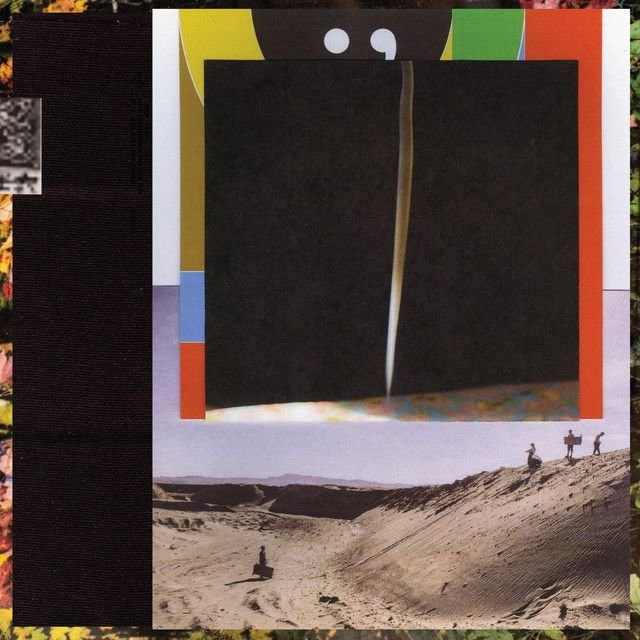
Why 'U (Man Like)' Cuts So Deep
The meaning of U (Man Like) Bon Iver comes into focus when they hear how the song balances private disappointment with public anger. On the surface, it sounds like one person addressing another. Under that, it feels like a critique of masculine habits, emotional failure, and the gap between lofty ideals and real care.
"U (Man Like)" - Bon Iver
Mmm
I will see you off now down the back of the ridge
Loading lyrics...
Unable to load lyrics
We're unable to display the lyrics at this time. Please try again later.
Released on Bon Iver's 2019 album i,i, the song sits in a record that often blends folk, soul, and fractured pop into something loose but pointed. “U (Man Like)” is one of the album’s sharpest confrontations. It is not just sad; it is accusatory, restless, and morally uneasy.
The Song's Main Idea in Plain English
At its core, the song seems to challenge a man who talks in big myths about himself but fails at empathy when it matters. The repeated hook, Man like you
, sounds less like praise than a hard stare. It is as if the speaker is saying: this is the kind of man they are, and they need to face it.
Interpretation: The song is about masculinity as performance. It questions a style of manhood built on ego, symbols, and stories instead of tenderness or action. That reading fits lines that mock self-made myths and false authority, especially when the song hints that the man in question keeps inventing excuses.
The track also widens beyond one relationship. When the lyric mentions American love
and then points to people sleeping in our streets
, the song shifts from personal conflict to social hypocrisy. It asks what love or virtue means if society ignores suffering in plain sight.

Watch the official U (Man Like)
music video
Who Is Being Addressed?
The speaker sounds direct, intimate, and fed up. They are not speaking from a distance. Early on, they say they have got to show you
, which suggests confrontation rather than retreat. This is someone trying to force another person to see what they have avoided.
That “you” could be:
- a romantic partner,
- a friend or peer,
- a stand-in for a broader male type,
- or even a version of the self.
That last option matters with Bon Iver. Justin Vernon often writes in ways that blur inner and outer dialogue. So while the song sounds accusatory, it may also be self-implicating. The title itself, with “U,” feels both personal and open-ended.
How the Verses Build the Critique
The first verse presents a guided tour through damage. The imagery is strange and cracked: rot, ritual, signs, and grand claims that do not hold up. When the speaker dismisses what is supposedly true, they suggest the other person lives by a story that has started to collapse.
Then the song moves into body language and time. The mention of long arms
sounds like someone physically able to reach out, yet still failing to connect. The request to give time hints at patience already spent. Care has become overdue.
One of the song’s most biting ideas comes when it refers to phallic repetition
. Even without unpacking every symbol, the phrase points toward performative masculinity—showy, repetitive, and insecure. The next thought, about telling yourself a tale, makes the target clearer: this is someone trapped in self-serving narratives.
The Chorus Turns Judgment Into a Mirror
The refrain is short, but that is what gives it force. Man like you
and later How you do?
sound simple, yet they land like tests. They ask whether this man can account for himself.
Interpretation: The chorus works like a mirror held up to behavior. It does not explain the charges in detail; it lets the repetition do the work. Each return makes the phrase feel more loaded, as if the category of “man” itself is under review.
That makes the song more than a breakup or argument track. It becomes a meditation on what kind of person they are when care is demanded.
Social Anger Beneath the Intimacy
The most striking turn in the song is its move from “you” to “our.” Suddenly the frame is not just one difficult man. It is a culture. The contrast between national ideals and people abandoned in public spaces gives the song a political edge.
American love
sleeping in our streets
Those two brief phrases carry a lot. They suggest that sentimental talk about love, freedom, or decency rings hollow if basic human needs go unmet. The song’s emotional complaint becomes civic criticism.
There is also a literary layer in the reference to Cerberus and Pirate Jenny. Cerberus, the guard of the underworld, and Pirate Jenny, a revenge figure from Brecht and Weill, both bring ideas of judgment, return, and upheaval. These are not random flourishes. They make the song feel haunted by consequences.
How the Sound Supports the Meaning
Musically, “U (Man Like)” helps explain itself. Bon Iver and collaborators including Bruce Hornsby and Naeem are credited as writers on the track, and the band’s i,i credits reflect the project’s collaborative method. That matters because the song sounds built from tension between organic playing and fractured arrangement.
The groove never settles into easy comfort. The percussion feels clipped, the harmonies arrive in unusual shapes, and Vernon’s vocal delivery mixes ache with irritation. Instead of a clean folk confession, they get a collage of sharp edges.
That production choice mirrors the theme. A song about broken moral clarity should not sound neat. The unstable structure makes the listener feel the same strain the lyrics describe: affection tangled with judgment, hope tangled with disgust.
A Reasonable Reading of the Ending
By the close, the song does not offer a tidy answer. The line about fixing and making another mission suggests that repair is possible, but only if priorities change. The real problem is not confusion. It is refusal.
So the meaning of U (Man Like) Bon Iver is best understood as a challenge. It confronts a man—and maybe a culture of manhood—that confuses identity with virtue. It asks whether love without responsibility means anything at all.
Bon Iver leave the song open, but its emotional direction is clear: less posing, more care; less myth, more honesty.
Disclaimer: This interpretation is based on the released lyrics, performance, and available song context. As with many Bon Iver songs, some ambiguity is intentional, so other readings are possible.









