Why 'Blaze of Glory' Still Burns Bright
The meaning of Blaze of Glory Bon Jovi starts with a simple idea: this is a song about a hunted person choosing courage over fear. Jon Bon Jovi frames the narrator as an outlaw who expects violence, judgment, and maybe death, but still wants to meet the end on his own terms.
"Blaze of Glory" - Bon Jovi
And I raise my weary head
I've got an old coat for a pillow
Loading lyrics...
Unable to load lyrics
We're unable to display the lyrics at this time. Please try again later.
That dramatic voice is one reason the song became so big in 1990. It was written for Young Guns II, not for a standard Bon Jovi album, and that movie setting matters to the lyric's Western grit and fatalism. According to American Songwriter and Songfacts, Jon Bon Jovi wrote a new song after deciding that Wanted Dead or Alive
did not fit the film.
An Outlaw Story With a Bigger Emotional Core
On the surface, the song speaks through a gunslinger persona. The narrator wakes up rough, keeps moving, and lives outside normal safety. Phrases like devil on the run
and wanted man
paint someone already pushed beyond the edge.
But the song is not only about cowboy action. It is also about identity. This speaker feels judged from birth, hunted by others, and cut off from family or belonging. When the lyric says I'm no one's son
, it suggests more than rebellion. It shows isolation.
Interpretation: That is why the song still connects beyond its movie plot. They can hear a person trying to hold onto dignity when the world has already written them off.
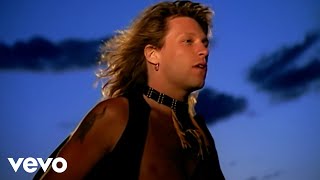
Watch the official Blaze of Glory
music video
Where the Song Came From Matters
The backstory sharpens the meaning. Jon Bon Jovi wrote the track for Emilio Estevez's Young Guns II, and it became his debut solo single in July 1990. It later appeared on the Blaze of Glory album, with production credited to Jon Bon Jovi and Danny Kortchmar, according to Wikipedia and Songfacts.
This context explains why the song feels more cinematic than confessional. The narrator is a character first. Even so, Jon Bon Jovi gives that character modern feelings: fear of dying young, distrust of moral judgment, and the need to be remembered for bravery.
That mix helped the song cross over. It hit No. 1 on the US Billboard Hot 100 and won the Golden Globe for Best Original Song, while also earning an Oscar nomination, as listed by Wikipedia.
The Chorus Turns Doom Into Defiance
The hook is the heart of the song. The narrator does not deny danger; they accept it. The phrase blaze of glory
turns death into a final statement.
In plain terms, the chorus says: if the end comes, let it come with truth and courage. That is why the line about never starting the fight, but still drawing blood, matters so much. The speaker sees himself as reactive rather than purely evil. He believes the world forced his hand.
Interpretation: This does not make the narrator innocent. It makes him conflicted. They are trying to justify a violent life while also asking to be seen as human.
Faith, Sin, and Judgment Run Through the Lyric
One of the song's strongest themes is moral pressure. The lyric brings in sin, conscience, the soul, and prayer. It also uses the Cain-and-Abel image to place the narrator in a long line of cursed or condemned figures, a point often noted by Songfacts.
These details show a person arguing with both society and God. The narrator does pray, but not for a clean pardon. Instead, he asks for a meaningful end.
let this boy die like a man
staring down a bullet
That brief moment captures the whole song. He is not asking to be saved. He is asking for dignity.
How the Verses Build a Life of Loss
The verses widen the story beyond crime and pursuit. The narrator talks about weariness, uncertain direction, and love that does not last. When he describes seeing love come and then collapse, the song briefly stops being a Western chase and becomes a meditation on broken hopes.
That emotional layer matters because it keeps the song from becoming cartoonish. The outlaw image is large, but the pain feels personal. They hear someone who has lived hard, lost trust, and now measures life by survival.
Why the Music Sounds So Heroic
The production does a lot of meaning-making here. The track blends acoustic guitar with hard rock force, creating a sound that feels dusty and wide but still radio-ready. Jeff Beck's lead and slide guitar are a huge part of that atmosphere, while Benmont Tench's organ adds weight underneath, according to Wikipedia.
The arrangement moves like a movie scene. Acoustic strums suggest the campfire and open road. Big drums and electric leads turn the same setting into legend. That rise from intimate to epic mirrors the lyric's journey from private exhaustion to public final stand.
Interpretation: In that sense, the music argues that the narrator is trying to turn a damaged life into a mythic ending.
Final Take on the Meaning of Blaze of Glory Bon Jovi
The meaning of Blaze of Glory Bon Jovi is not just about dying in a shootout. It is about how a person faces judgment, regret, and fate when they feel trapped by the life they have lived. The song's power comes from that tension between guilt and pride.
It is a movie song, but it lasts because the emotions are bigger than the film. They hear a person who knows the end may be near and still refuses to go quietly.
Disclaimer: This interpretation blends documented song history with lyrical analysis. As with any song, listeners may hear different meanings in the same lines.








